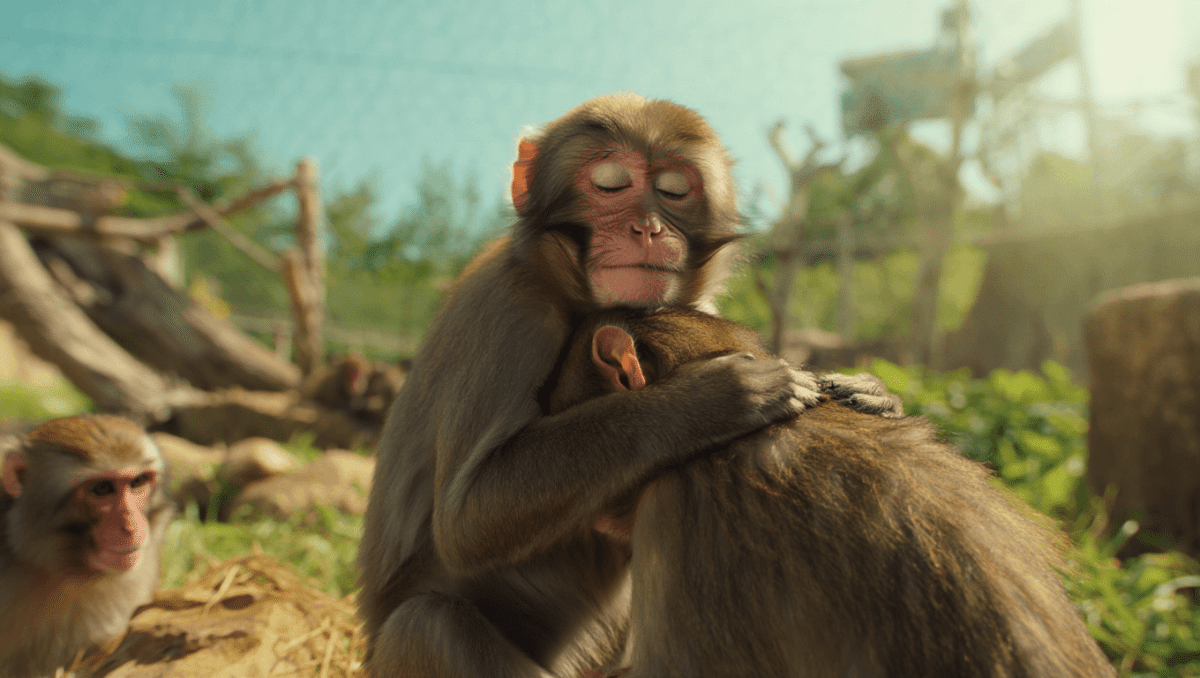
Punch the monkey has finally broken through the loneliness that captivated hearts worldwide. The seven-month-old macaque at Japan’s Ichikawa City Zoo is now hugging, playing, and bonding with other monkeys—a stark transformation from heart-wrenching videos of bullying that went viral. What started as a story of heartbreak is becoming a triumph of acceptance and social integration.
🔥 Quick Facts
- Who: Punch, a Japanese macaque born July 26, 2025, rejected by his mother.
- Location: Ichikawa City Zoo in Chiba, Japan, where 7-month-old success unfolded.
- Timeline: From isolation to friendship in just months, capturing global attention.
- Breakthrough: Zookeeper Shunpei Miyakoshi reported rapid gains in social bonding.
From Abandoned Baby to Internet Sensation
Punch’s story began in heartbreak when his mother abandoned him shortly after birth at Ichikawa City Zoo. The tiny primate was alone in a crowded troop, desperately seeking comfort. Zookeepers intervened, providing him with an IKEA stuffed orangutan as an emotional anchor. Videos of Punch clinging to the plush toy spread globally, touching millions who saw their own loneliness reflected in the baby monkey.
The internet fell in love with the image of a rejected infant finding solace in a surrogate mother. Lisa from Blackpink traveled to Japan just to see him. Tourists from around the world visited the zoo, hoping to witness Punch’s struggle firsthand. But what captured hearts was his resilience, not his misery.
The Rough Road to Acceptance
Early videos showed other monkeys tackling Punch, chasing him away, and establishing dominance over him. The clips sparked outrage online, with animal lovers fearing for his safety. Higher-ranking troop members demonstrated aggression regularly, prompting zoo staff to temporarily remove some aggressive individuals from the enclosure in early March 2026.
But zookeepers explained that these seemingly brutal interactions were actually normal macaque behavior. Zookeeper Shunpei Miyakoshi told CNN that rough play teaches young monkeys the hierarchy of their society. “Japanese macaques tend to be physical because, unlike humans, they don’t have languages taught to them,” he said.
The Turning Point Nobody Expected
By mid-March 2026, change was undeniable. Punch began hugging other monkeys, playing alongside them, and learning their social rules. The stuffed animal remained nearby when he needed emotional support, but he was spending less time with it and more time with living, breathing companions. Zookeeper Miyakoshi observed dramatic progress in just weeks.
| Timeline Event | Development |
| Late February 2026 | Viral videos of rejection and bullying spark global concern |
| Early March 2026 | Zoo temporarily removes aggressive troop members for safety |
| Mid-March 2026 | Punch begins playing, hugging, and bonding with other macaques |
| March 14, 2026 | CNN reports successful social integration and milestone achievements |
“Now he’s communicating with other monkeys and it’s great to see him reaching those milestones. He’s been doing his best to grow, learning from those early experiences.”
— Shunpei Miyakoshi, Zookeeper, Ichikawa City Zoo
What Punch’s Journey Teaches Us About Connection
Despite viral narratives of tragedy, Punch’s real story is one of triumph. Zoo experts emphasize that his situation mirrors the famous Harlow attachment experiments conducted in the 1950s, where psychologist Harry Harlow proved that babies need emotional nourishment, not just food. Punch chose comfort and connection when given the option. Now he’s learning that true belonging comes from his own kind.
Visitors to Ichikawa City Zoo report witnessing Punch spending time peacefully alongside other monkeys, grooming them, and engaging in natural primate social behaviors. Some monkeys who initially seemed aggressive are now helping him integrate through gentle mentoring and acceptance. The plushie toy remains, but it’s no longer his only companion.
Why Punch’s Success Matters for All of Us
Nasser Hashem from the United States planned an entire trip to Japan with his sister just to see Punch. He explained, “I think we all could relate to him to some sense being in an unfamiliar environment, not knowing the people around you, and then just trying to fit in as much as we can.” That universal theme of rejection turned to acceptance resonates globally.
For Melanie Fortier, also from the US, Punch offers hope in a world dominated by negative news. “When you see something like an animal coming up with nothing but care and love to give, it is refreshing sometimes and a breath of fresh air,” she said. Punch’s journey proves that with patience, support, and time, even the most isolated among us can find their place.
Sources
- CNN – “Punch the monkey is finally making friends and fitting in,” March 14, 2026 report from Ichikawa City Zoo visit.
- The Conversation – “A viral monkey, his plushie, and a 70-year-old experiment,” featuring attachment theory and Harlow’s research parallels.
- Brookfield Zoo Chicago – Expert interview with Kim Skelton on primate social dynamics and integration strategies.