Film sets can feel like small, intense societies—with their own rules that sometimes seem stranger than the scripts they bring to life. From footwear bans reported on high-profile shoots to rigid on-set etiquette designed to protect performance and safety, these edicts say as much about a director’s priorities as they do about modern production culture.
Directors impose unusual restrictions for practical, creative, or safety reasons, and those choices can shape everything from actor comfort to union negotiations. Below are eight notable on-set rules that have surfaced in interviews, memoirs and set reports, with what they meant for the people who worked under them and why they still matter for today’s productions.
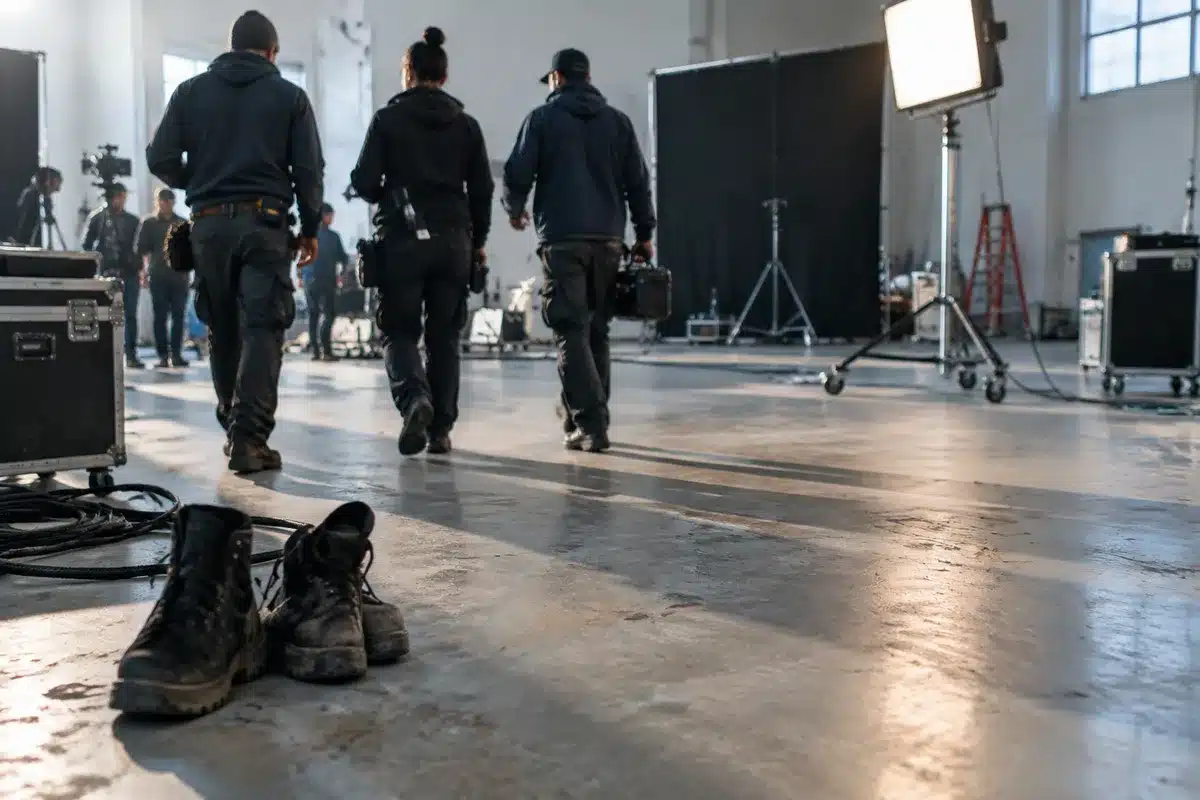
– No casual footwear on set — Several productions have banned plush or bulky shoes such as UGG-style boots, reportedly including a high-profile shoot tied to a major director. Reasons range from wardrobe continuity to safety on uneven locations; bulky footwear can ruin costume lines, scuff period pieces, or make it harder to move in tight camera setups. For performers, the rule often means swapping comfort for costume accuracy and clearer sound on floorboards.
– No chairs near the action — Some filmmakers prefer actors to remain standing between takes to preserve energy and immediacy. Directors and ADs have said chairs can encourage actors to relax out of character or break blocking. The trade-off: less physical respite for cast and a faster-paced rhythm for crew during long shooting days.
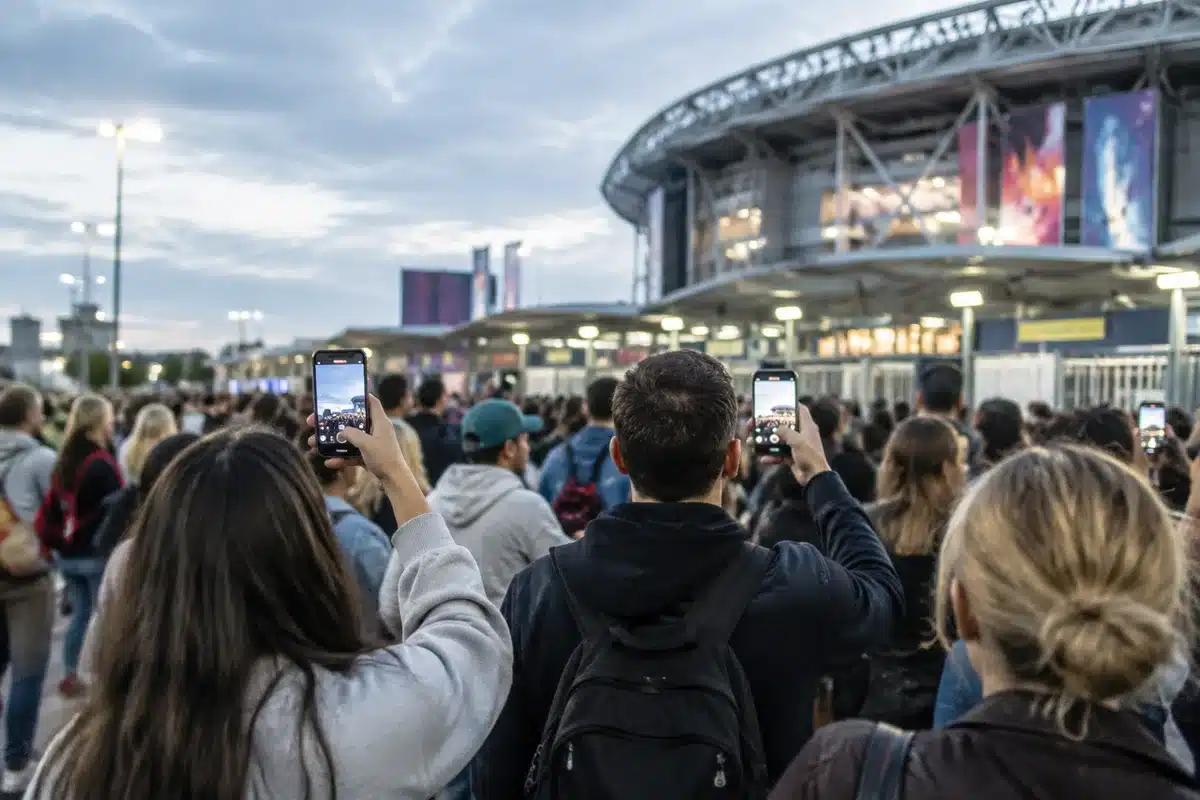
– Phones kept off and out of sight — A recurring rule across many productions is a strict phone policy during rehearsals and takes. Phones can leak spoilers, disrupt continuity and distract both actors and technicians. Enforcement varies from polite requests to locked bags or designated phone areas.
– Strict quiet on and between setups — Beyond the obvious need for silence during takes, a number of directors insist on quieter behavior throughout the set to maintain concentration and preserve audio integrity. That can limit casual conversation and requires crew discipline, particularly on long exterior shoots where ambient noise is hard to control.
– Stay in (or out of) character off camera — Some directors buy into method-style immersion and ask performers to remain in character even when cameras aren’t rolling; others insist that actors be completely “out” between setups to reset. Both approaches aim to protect a particular kind of performance, but each also raises questions about actor well-being and boundaries.
– Uniform crew attire — To minimize reflections, draw less attention or present a cohesive workplace, a few productions require crew to wear dark, non-reflective clothing. It’s practical for technical reasons, but it can feel oddly prescriptive in modern, diverse workplaces.
– No mirrors or personal grooming near the set — On some shoots, mirrors and grooming tools are removed from immediate sightlines so actors don’t get stuck in self-monitoring or break character. Directors who prioritize uninterrupted immersion may extend this policy to trailers and holding areas in tight ways.
– Limited or no food trucks on set — While uncommon, a handful of smaller or location-sensitive productions have restricted deliveries to control timing, reduce waste or avoid attracting crowds. The result can be more tightly scheduled meal breaks but fewer options for quick snacks, a concern for long days.
Why this matters now
These on-set rules intersect with ongoing conversations about workplace safety, mental health and labor conditions in entertainment. As productions scale up after pandemic slowdowns, and as unions negotiate new terms for streaming-era work patterns, clarifying how and why such rules are applied affects everything from scheduling to morale.
Practical takeaways for cast and crew
– Understand the production’s code of conduct early—ask about footwear, phone policies and rest provisions before signing on.
– If a rule feels unsafe or unreasonable, raise it through your union rep or on-set welfare channels.
– For newcomers: expect variations. Big-budget sets tend to have more formalized policies; indie shoots may be more relaxed but also less resourced to accommodate special requests.
A note on sourcing and context
Many of these practices are based on long-standing accounts from cast, crew and journalists who report from sets; enforcement varies widely by director, genre and budget. Where a specific director’s practice has been widely reported, it often reflects a mixture of personal preference, logistical necessity and creative intent rather than arbitrary whim.
As production culture continues to evolve, these small-seeming rules offer a window into how work gets organized on set—and how creative control, safety and professionalism must be balanced in an industry that still operates, in large part, on human coordination rather than automation.