Ralph Macchio’s recent recounting of life on set has cast fresh light on The Karate Kid Part II, and it’s the kind of inside perspective that makes the sequel feel worth revisiting. Beyond nostalgia, these anecdotes underscore how production choices, location work and actor dynamics shaped a film that continues to divide and fascinate fans decades later.
Why this matters now
The movie has regained visibility as viewers re-examine franchise entries and spin-offs, and firsthand remembrances from lead actors often change how we read familiar scenes. Hearing what happened behind the camera adds context to creative decisions, stunts and cultural portrayals—details that matter to film students, franchise followers and anyone interested in 1980s Hollywood craftsmanship.
The stories don’t rewrite the film’s reputation, but they do alter how a modern audience experiences it: small production constraints become part of the film’s texture rather than mere trivia.
Key production facts at a glance
| Film | The Karate Kid Part II |
|---|---|
| Lead actor | Ralph Macchio |
| Director | John G. Avildsen |
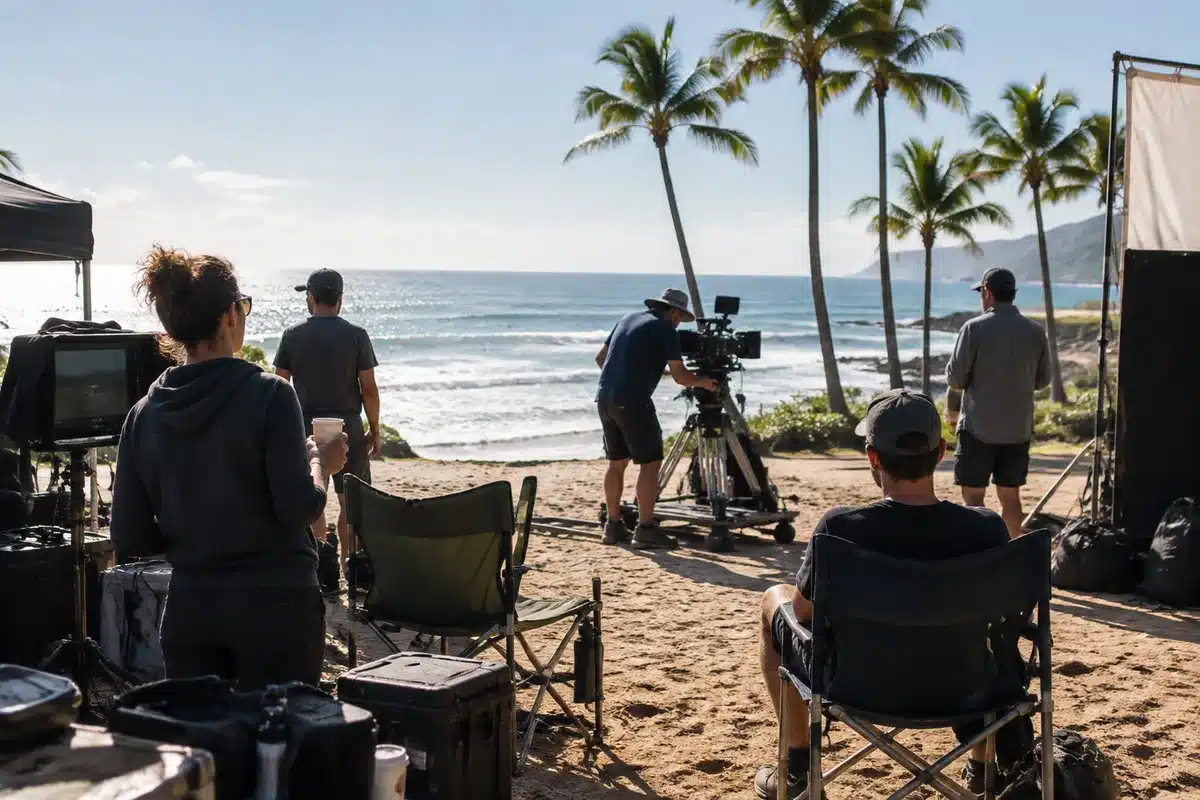
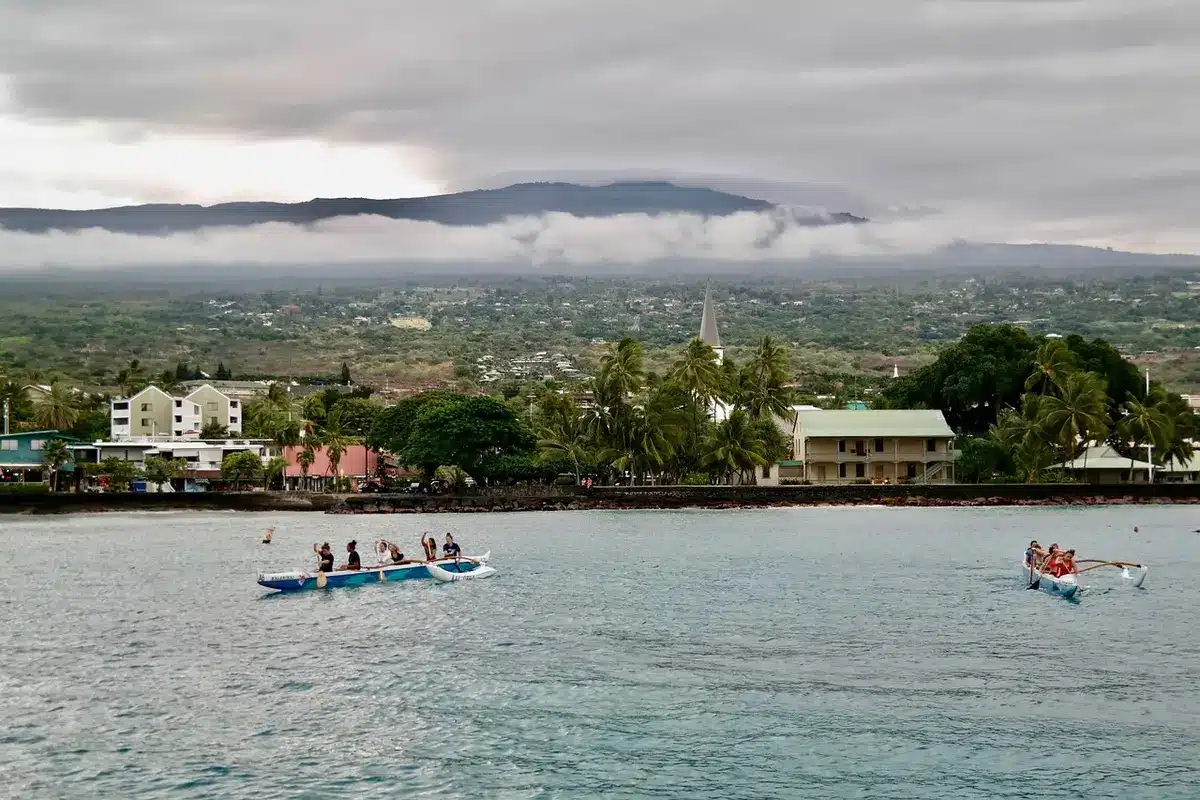
| Principal location | Oahu, Hawaii (standing in for Okinawa) |
| Why revisit | New context from cast recollections; renewed fan attention to the franchise |
What Macchio’s recollections highlight
- On-location realities: Shooting in Oahu presented weather, logistical and cultural challenges that shaped staging and shot selection.
- Choreography and safety: Recollections often reveal how fight sequences were adapted on the fly and what that meant for performers’ safety.
- Actor relationships: Anecdotes about rehearsals and off-camera rapport help explain certain emotional beats in the film.
- Cultural framing: Discussion of how the production approached representing Okinawan settings invites reevaluation in light of contemporary standards.
Those themes matter because they change what viewers are likely to notice on a second watch. A closeup that once seemed melodramatic may read differently after you learn why it was chosen; a stunt that looks risky takes on added weight when you know the constraints the team faced.
How to approach a rewatch
Don’t treat this as a passive return to nostalgia. Watch with a few specific focuses in mind: cinematography choices in outdoor scenes, the choreography of key confrontations, and moments where off-camera dynamics might have influenced performances. Paying attention to these elements will reveal how on-the-ground decisions translated into final-screen storytelling.
For viewers interested in broader implications, the film also provides a useful case study in how sequels try to expand a protagonist’s world—sometimes successfully, sometimes awkwardly—and how production realities help determine which direction wins out.
Perspective
Sequel films from the 1980s often balance fan expectations with ambitions to deepen character and setting. Macchio’s accounts are a reminder that movie-making is collaborative and frequently improvised; the stories make the film feel less like a fixed artifact and more like the result of many small, contingent choices.
Whether you’re a longtime fan, a student of film production, or simply curious about how a familiar movie was made, these behind-the-scenes details offer fresh reasons to press play again. Watching with context transforms surface impressions into a richer, more informed viewing experience.