A recently released behind-the-scenes feature gives viewers an unusual look inside the castle used for the reality series The Traitors, tracing how the show’s atmosphere is crafted away from camera. For fans and anyone curious about TV production, the short documentary-style piece reveals what it takes to stage the show’s tense social experiments — and why streaming extras have become part of how platforms keep audiences engaged.
What the footage actually shows
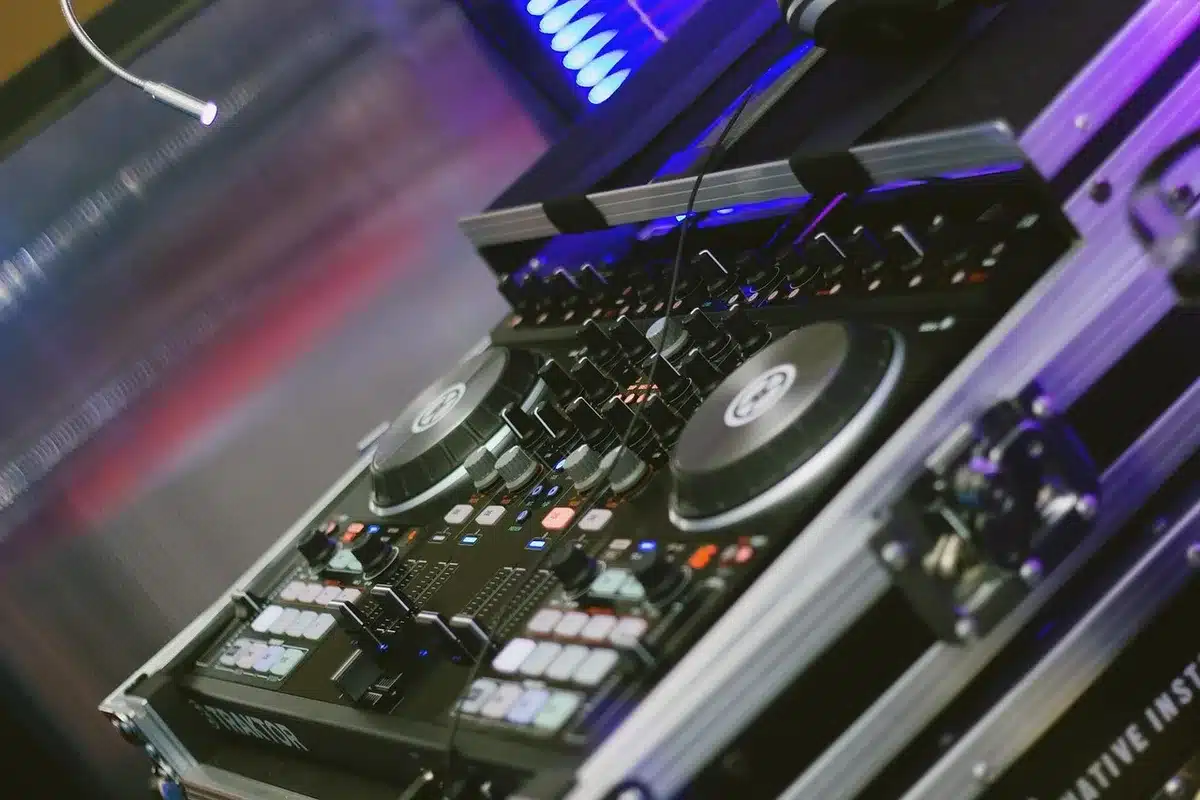
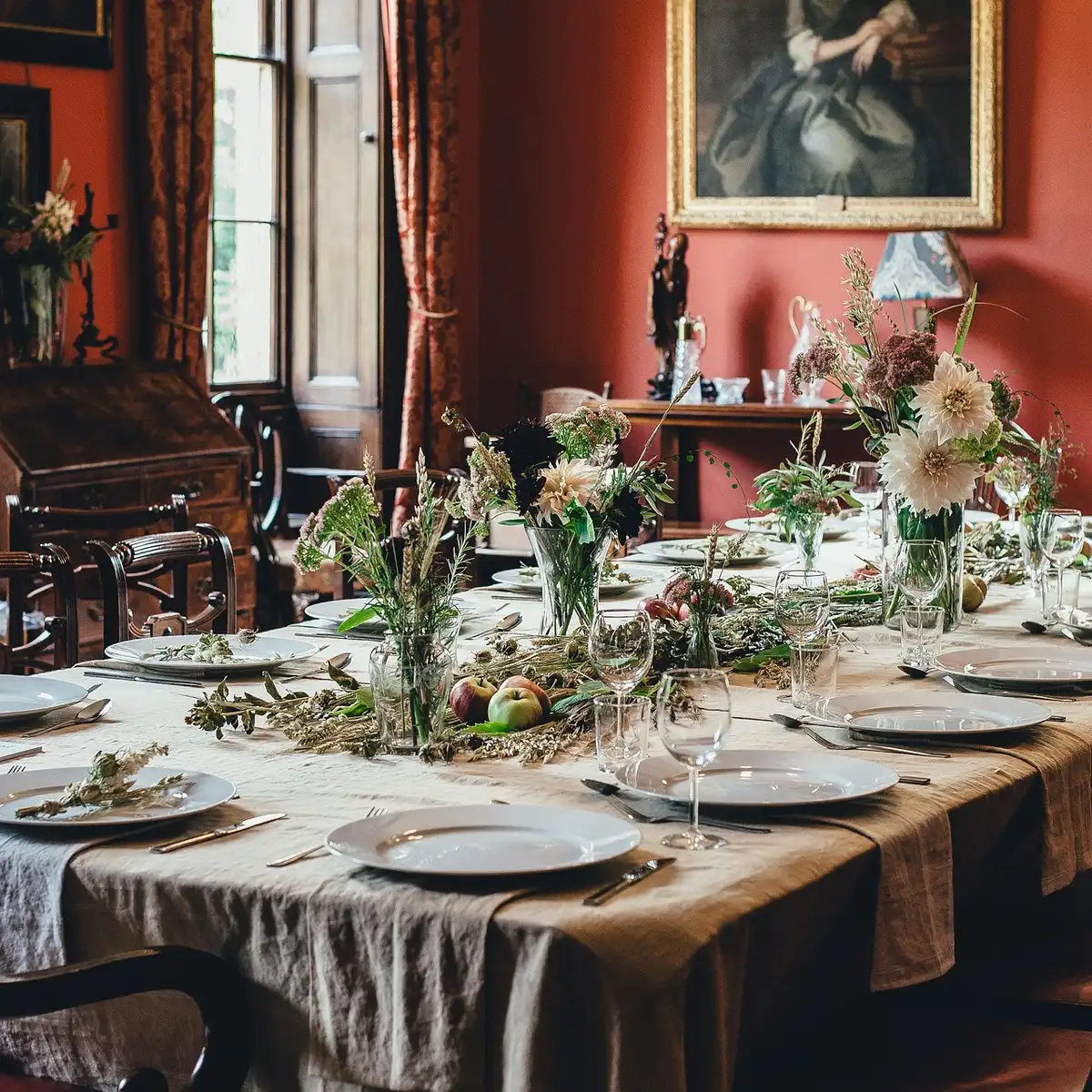
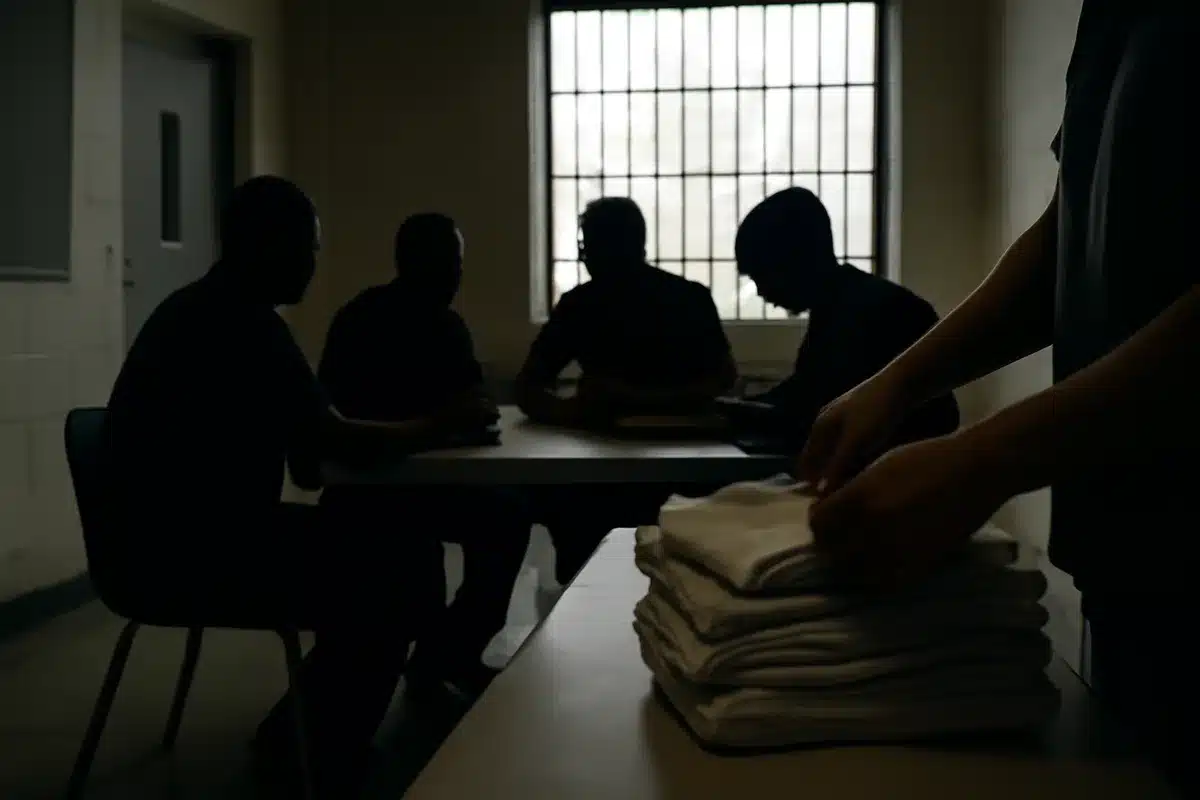
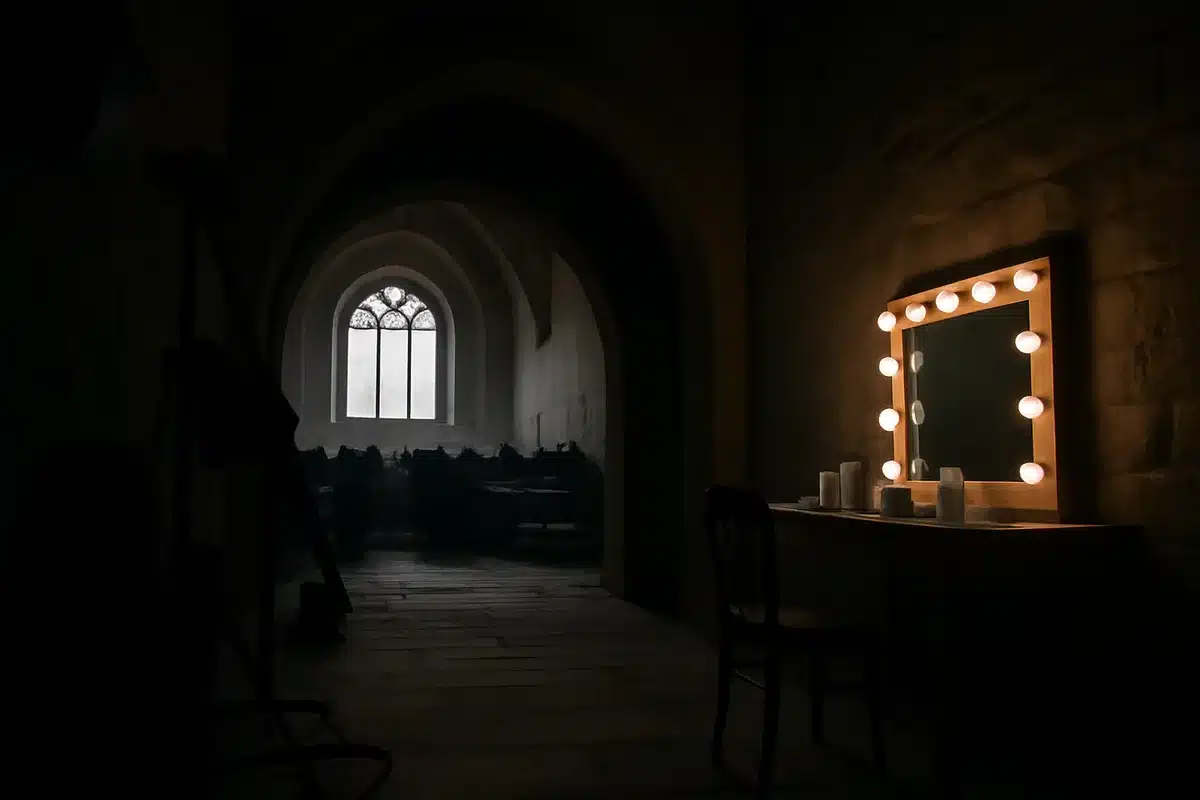
The segment moves between empty stone corridors and the show’s communal spaces, lingering on details that rarely make the broadcast: production lighting rigs tucked out of sight, makeup stations lined with notes about continuity, and the small, windowless rooms where contestants give recorded reflections. The camera work is intimate but unobtrusive, framed to emphasize process rather than performance.
Rather than focusing on spoilers, the feature highlights the logistics of producing a reality format that depends on secrecy and atmosphere. Viewers see how crew coordinate late-night shoots, control sound in an echo-prone environment, and manage the practicalities of housing a cast in one remote property for weeks at a time.
Key takeaways for viewers
- Set design is built to shape mood as much as appearance — lighting and layout are engineered to encourage conversation and conflict.
- Contestant care is visible behind the scenes: private check-ins, medical oversight, and off-camera supports appear regularly.
- The show’s secrecy relies on strict access control and scheduling practices that keep storylines intact before broadcast.
- Extras like this are part of a broader streaming strategy to deepen engagement beyond the episodes themselves.
Production realities and wider implications
For casual viewers, the sequence is mostly satisfying trivia. For the industry, it’s a reminder that streaming platforms are treating ancillary content as essential programming: behind-the-scenes pieces can extend discussion, generate social clips, and encourage binge sessions that increase viewer retention.
There are also real-world effects. Public interest in filming locations often translates into tourism pressure on historic properties. At the same time, tighter publicity around contestants and sets raises fresh questions about privacy and the ethics of turning private spaces into broadcast material.
| Element | What the footage shows | Why it matters |
|---|---|---|
| Lighting & set dressing | How mood is engineered through lamps, color choices and camera placement | Explains the atmosphere viewers attribute to “natural” moments |
| Production logistics | Crew workflows, security checkpoints, and scheduling boards | Reveals how narrative control is maintained off-camera |
| Contestant support | Private check-ins, health protocols, and downtime spaces | Addresses concerns about welfare during high-pressure shoots |
| Post-production | Editing bays, sound mixing, and clip selection processes | Shows how final episodes are shaped long after filming ends |
What this means for fans and future seasons
Fans get more context about the choices behind their favorite scenes: why a conversation feels claustrophobic, or how an ordinary corridor becomes a stage for drama. For producers and platforms, these short-form documentaries build a narrative ecosystem around a show — increasing the lifespan of each season and creating fresh hooks for coverage and social sharing.
Expect similar behind-the-scenes releases to appear alongside upcoming reality launches as streaming services aim to convert casual viewers into invested communities. For viewers planning a deeper dive, the full feature is available through the show’s streaming partner and offers the clearest public picture yet of life inside the castle when the cameras are off.