A recently shared set of 41 behind-the-scenes photographs is prompting a new look at how movies and television create the images we think we know. By exposing the rigs, props and improvisations that stand behind polished scenes, these snapshots change not only what we see on screen but how we should read it.
Small tricks, big effects
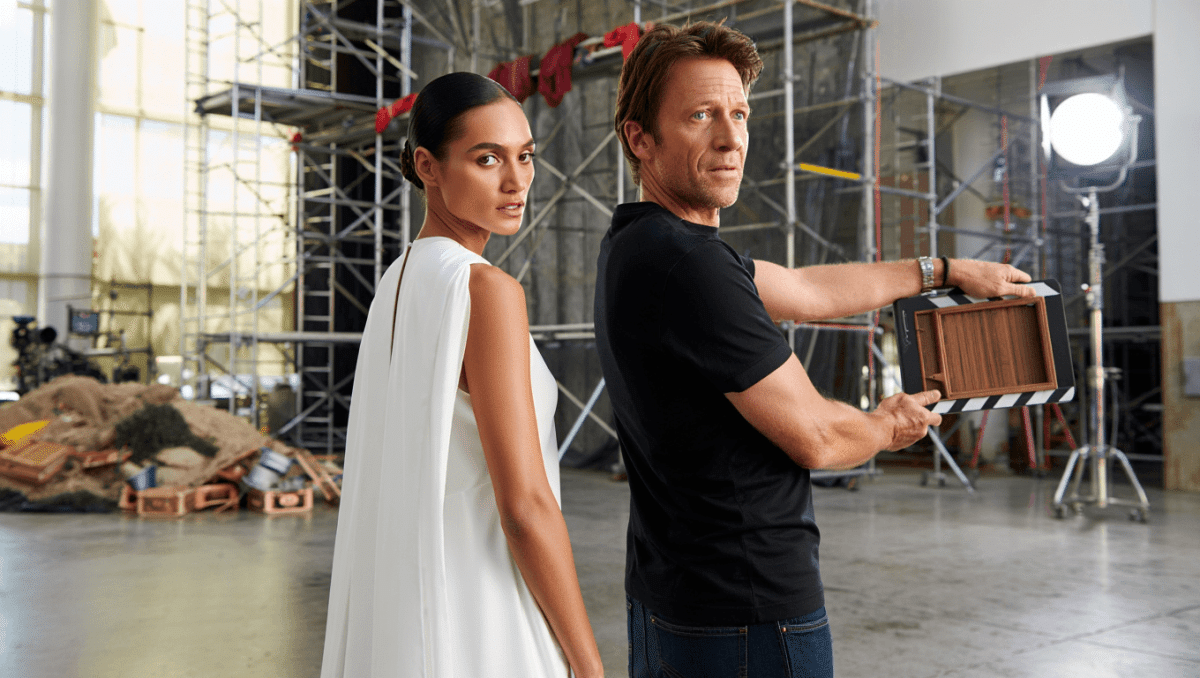
At a glance, the photos strip away the cinematic veneer: forced perspective, visible rigging and crew members casually stepping into frame. Those details remind viewers that many memorable moments are the product of practical ingenuity rather than pure on-screen magic.
That matters now because audiences increasingly assume visual effects are always digital. These images show a long tradition of hands-on problem solving that often predates or complements CGI. Knowing this shifts how we value different kinds of film labor and technical skill.
What the pictures commonly reveal
- Prosthetics and makeup staged on-set, revealing the physical craftsmanship behind creature and aging effects.
- Miniatures and models used to simulate large environments—tiny cities photographed to look colossal on camera.
- Rigging and safety equipment for stunts, visible in shots where the final edit hides wires and harnesses.
- Green screens and painted backdrops — reminders that many settings are composited later, not filmed in situ.
- Wardrobe fixes and prop hacks that show last-minute solutions to continuity or budget limits.
- Stand-ins and doubles occupying iconic positions, underlining the collaborative nature of performance.
Examples in context
| Type of shot | Common behind-the-scenes reveal | Why it changes perspective |
|---|---|---|
| Wide landscape | Scale models or matte paintings photographed close-up | Shows that vast vistas can be constructed rather than filmed at scale |
| Action/stunt sequence | Visible harnesses, safety rigs and stunt crews on standby | Underscores the planning and risk management behind seemingly spontaneous danger |
| Period interior | Contemporary equipment and crew within the frame during rehearsals | Illustrates how production design and camera framing build historical illusion |
Not every reveal is disillusioning. Many of the images amplify admiration for the craft—simple solutions, clever camera angles and the sheer effort required to produce one clean take. They also highlight inequities: background workers and technical staff who make scenes possible rarely receive the same public recognition as lead performers.
Why viewers should care
Understanding the mechanics behind favorite scenes changes how we talk about film and television. It encourages more nuanced conversations about credit, labor and the balance between practical and digital effects. It also helps media consumers spot editing choices and studio-driven narrative framing.
At a time when deepfakes and advanced CGI are reshaping expectations, these photographs are a reminder that film language evolves but remains rooted in tangible craft. For viewers, the takeaway is simple: appreciating a scene’s emotional power doesn’t require mistaking the technique for reality.
Seeing the scaffolding behind an image can be startling, but it can also deepen respect for the people and decisions that turn ideas into screen moments. When you next rewatch a favorite scene, consider what was built, who built it, and what was kept out of frame to preserve the illusion.