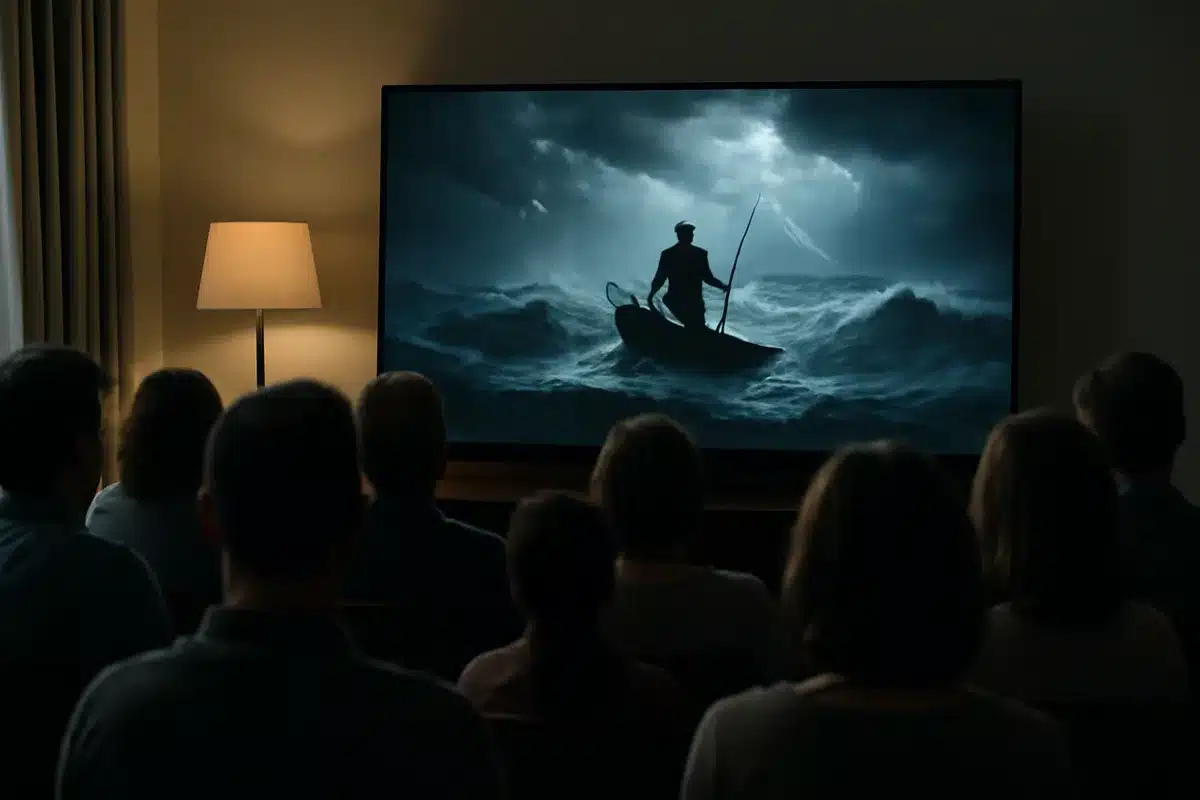
The new adaptation of The Odyssey has become unavoidable online — viewers are dissecting its choices, praising surprises and joking about moments that didn’t land. That torrent of reaction matters because it’s shaping how a centuries-old epic is seen by a fresh generation and steering the wider conversation about how classics are adapted for today’s screens.
Social feeds are buzzing with mixed but often sharp responses. Some users celebrate the production’s ambition and modern touches, while others criticize liberties taken with the source material. The mix of praise, humor, and analysis is sparking wider debate about storytelling, representation, and fidelity in adaptations.
Why this wave of reaction matters now
The debate around The Odyssey isn’t just idle fandom. A high-profile adaptation becomes a cultural event: it influences what people read next, how classrooms frame the poem, and which themes from antiquity feel relevant to contemporary audiences.
Streaming and social platforms amplify instant judgments. Clips and memes travel faster than reviews, so single scenes can define public perception overnight. That dynamic affects the series’ reputation, viewership numbers and even how future adaptations are greenlit.
Standout responses across platforms
– A lot of viewers praised the cinematography and world-building, calling certain sequences “striking” or “visually daring.”
– Academics and classicists on discussion forums pointed out interpretive choices — some applauded creative expansions, others flagged departures from the poem’s core themes.
– Comedic takes turned specific lines and visual moments into viral memes, giving the adaptation a second life as social commentary.
– Some longtime fans found fault with character changes, arguing that altering motivations shifts the story’s moral center.
– Newcomers reported being inspired to read the original text, saying the adaptation served as an accessible gateway.
– Teachers and podcasters noted potential classroom uses, from examining narrative structure to discussing cultural reinterpretation.
A quick table of the reaction landscape
| Platform | Typical reaction | What it suggests |
|---|---|---|
| X (formerly Twitter) | Short takes, hot takes, and viral clips | Conversation driven by immediacy; moments that provoke emotion spread fast |
| TikTok | Scene-based edits, memes, and reinterpretations | Visual highlights shape perception; younger viewers pick up trends |
| Long-form analysis and debate | Spaces for deeper contextual discussion and scholarly critique | |
| Still imagery, fan art, and reaction threads | Focus on aesthetics and fan communities |
What editors and educators are watching
Producers and critics will be tracking two outcomes: whether the adaptation converts casual viewers into long-term fans, and whether it prompts renewed interest in the original poem. Educators are already debating how to use streaming clips to spark classroom discussion without letting the adaptation substitute for the primary text.
There are also industry implications. Strong social momentum can lift a title’s awards prospects and drive streaming platforms to invest in similar projects. Conversely, a backlash centered on misrepresentation can make studios more cautious about how they modernize canonical works.
A few final notes for readers
If you’re joining the conversation, consider what angle matters most to you: the fidelity to Homer’s narrative, the production’s visual imagination, or the cultural conversation it ignites. Each reaction — from a meme to a long-form essay — tells us something about how a modern audience makes meaning from an ancient story.
Keep an eye on how the discussion evolves: early heat often cools into more measured appraisal as critics, scholars and casual viewers settle into a longer conversation about the adaptation’s legacy.