On the press circuit for the new film Finding Emily, the lead actor has become as known for an unassuming pocket-sized book as for the role itself. The small journal — a running archive of moments, impressions and reminders — has followed the star from set to red carpet, and is now being talked about as part of the movie’s creative story.
Why a tiny book matters
The actor carries the volume everywhere, saying it helps keep track of the day-to-day impressions that shape a performance. In conversations with journalists during the film’s publicity schedule, the practice has been framed as both practical and personal: a tool for remembering details, and a way to hold onto fragments of life amid a hectic shoot.
That blend of logistical use and emotional bookkeeping is familiar to many professionals, but it has particular resonance in acting, where small sensory details can inform a scene and deepen characterization.
What’s inside the journal
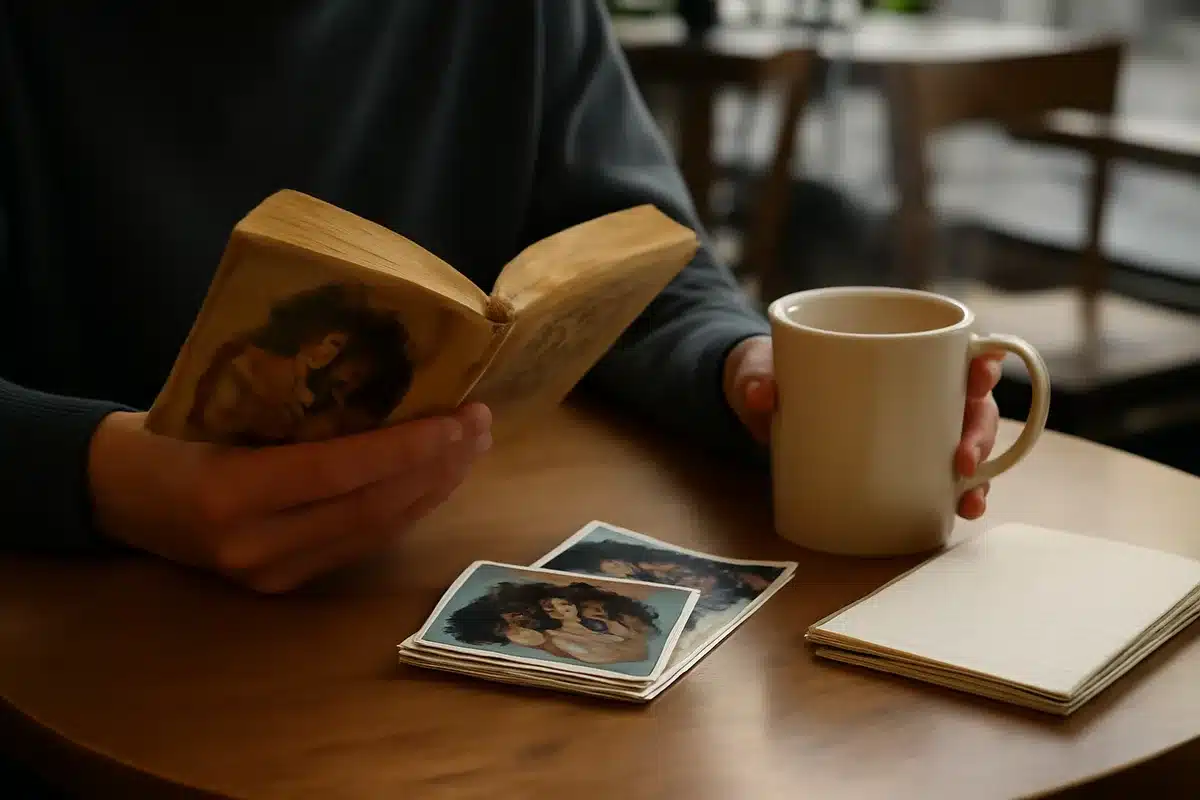
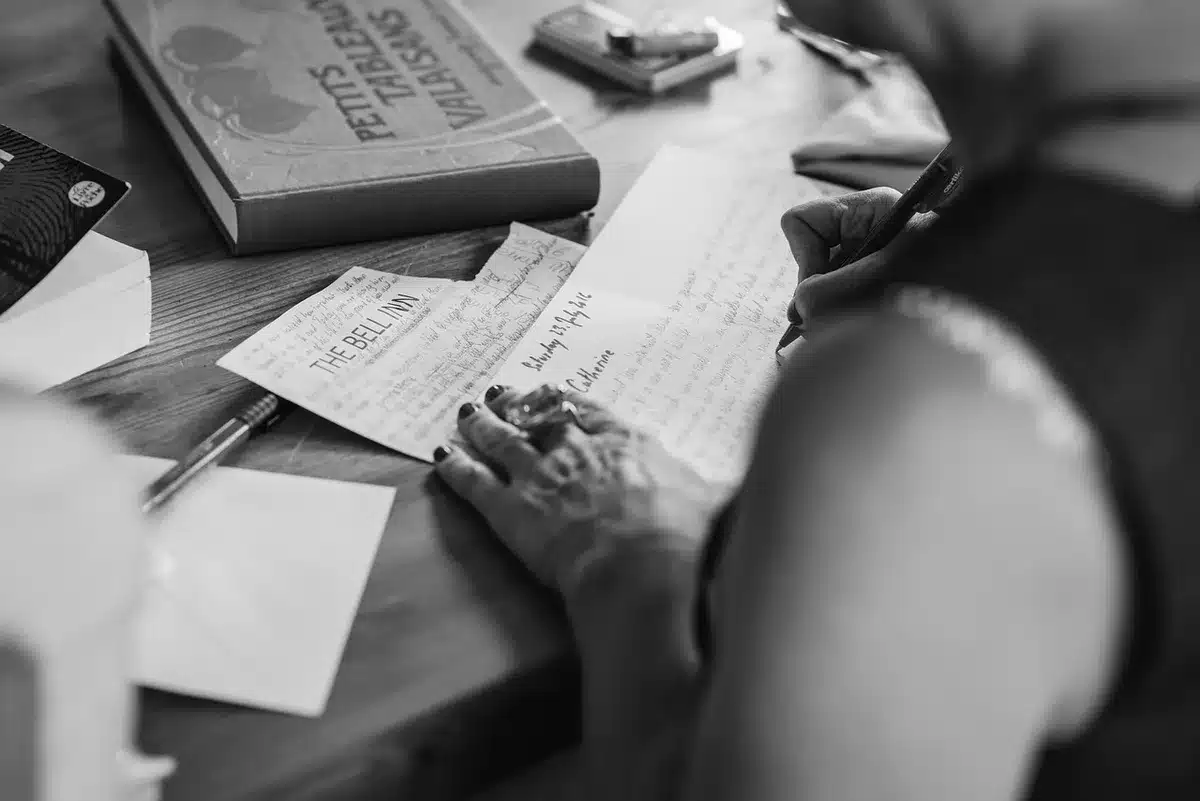
Descriptions shared in interviews suggest the pages are spare rather than ornate — quick notes, little sketches, occasional lines from the script that sparked an idea. The actor has described flipping through the book between takes and during long drives, using it to reconnect with what felt genuine in a moment.
| Type of entry | Purpose |
|---|---|
| One-line impressions | Anchor emotional beats from the day |
| Scents or sounds | Trigger sensory recall for scenes |
| Sketches & diagrams | Visualize blocking or relationships |
| Script fragments | Preserve spontaneous, useful variations |
How the habit affects the work
Actors and directors often describe performance as an accumulation of small, repeatable choices. A portable record can make those choices accessible long after a scene has been shot, especially when continuity and emotional line are crucial.
For the Finding Emily star, the notebook appears to serve two functions: it is a practical record-keeper for the production and a private archive of personal response. That dual role can help sustain consistency across long shoots while preserving the actor’s immediate reactions for later refinement.
Those reactions can also influence promotion. When a performer references an anecdote written in a pocket note — a line that surprised them on set or a detail that changed their approach — interviews and social coverage gain texture that otherwise might be lost in rehearsed soundbites.
Why audiences and industry watchers are noticing
In an era when behind-the-scenes minutiae travel fast on social media, small rituals become shorthand for craft. Fans often look for tangible signs that a performance comes from an honest place, and a simple, carried notebook provides a relatable image: the artist as careful archivist of their own work.
- Humanizing detail: The journal gives audiences a concrete glimpse into the actor’s process.
- Reporting value: Interviewers can cite specific, fresh anecdotes that enrich coverage.
- Creative continuity: The practice helps maintain coherence across a patchwork schedule.
Not every performer keeps such a record, and those who do use the practice differently. Some rely on audio notes or photographs; others prefer rehearsal notebooks or digital files. The prominent visibility of this particular journal, however, has prompted renewed discussion about how artists preserve and reuse ephemeral material.
For readers, the takeaway is practical: small, portable methods for capturing impressions can matter in any creative or deadline-driven field. Whether on a film set or in a newsroom, the habit of collecting brief, time-stamped observations can improve recall and, ultimately, the quality of the work.