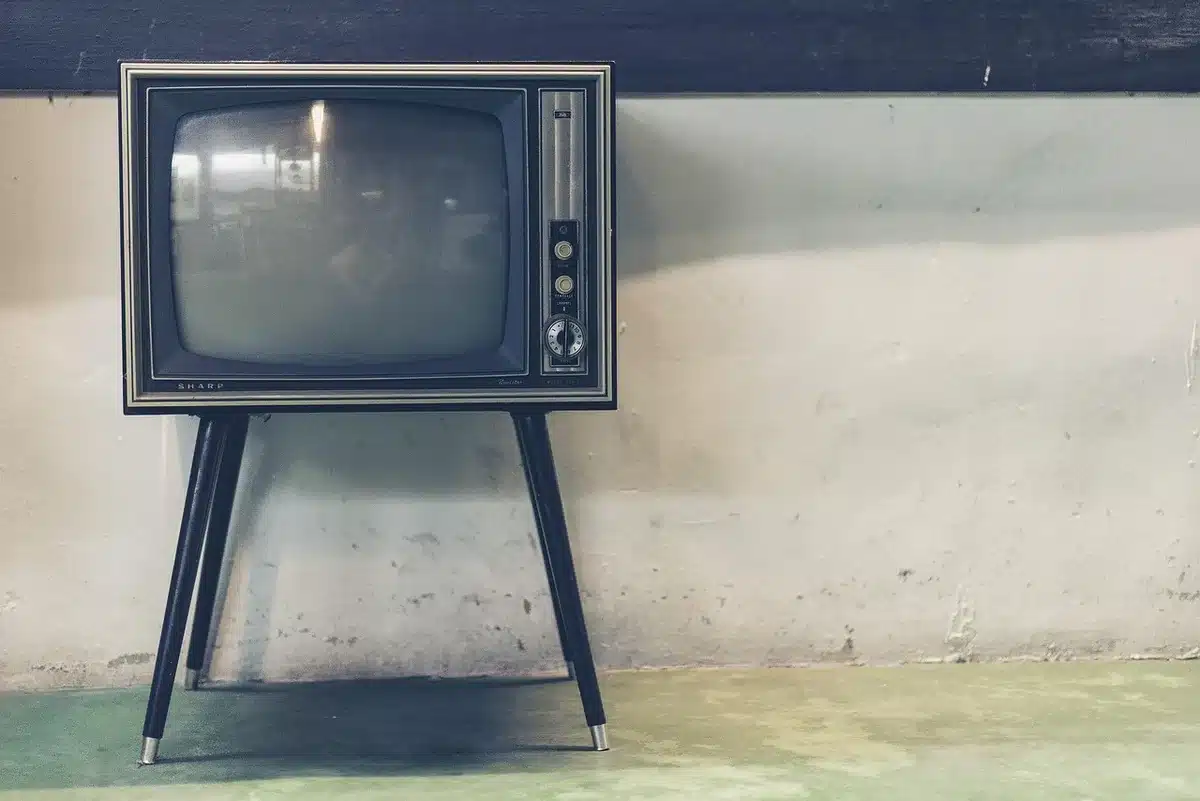
If you remember calling in “sick” to skip school in the 1980s or 1990s, you likely spent the day watching television rather than resting. Those weekday cartoons, syndicated sitcom reruns and morning public-TV staples shaped afternoons for a generation — and are enjoying a fresh second life as streaming, social media nostalgia and family viewing bring them back into the conversation.
For readers today, this matters because those familiar programs are more than childhood memories: they influence what parents put on for their kids, drive streaming catalog decisions, and fuel online trends that reach millions. Recognizing these shows sheds light on how media habits from decades ago still affect modern viewing choices.
What defined a classic “sick-day” lineup
On any given weekday in that era, stations filled airtime with accessible, repeatable fare: animated series, sitcom reruns and educational programs scheduled when classrooms were in session. These slots created the ritual of a midday TV fix for kids who stayed home.
Many of those programs remain culturally resonant. Some have been rebooted or reissued for streaming, while others live on through clips and fan communities online. That continuity explains why a single episode title is often enough to trigger a flood of nostalgia.
- Syndicated sitcoms — Reruns of family comedies offered comfort viewing: easy-to-follow plots, familiar characters and regular episode rotations made them a dependable way to pass an afternoon.
- Animated blocks — Weekday cartoon packages bundled several series in one stretch. They were the backbone of many “sick” day schedules, especially for elementary-school viewers.
- Public-TV mornings — Educational shows targeted at preschoolers provided a quieter, more structured option for younger children home from childcare or school.
- Action and adventure syndication — Superhero and action series that aired after school hours became appointment viewing for older kids and tweens.
Shows you’ll likely recall
Below are representative titles and why they stuck in the memory of anyone who spent a day at home in front of the set. Availability varies by region and service, but many of these programs circulate widely on streaming platforms or through official reboots.
- DuckTales — A fast-paced, adventure-oriented cartoon frequently packaged in after-school syndication; its characters and theme song are instantly recognizable to many viewers.
- Teenage Mutant Ninja Turtles — The animated action series offered serialized excitement that made a day at home feel like an event for fans.
- Rugrats — A ’90s staple from cable networks, the show’s child-centered perspective resonated with young viewers left at home.
- Full House — Family sitcom reruns were a mainstay of daytime lineups, delivering predictable comfort television for viewers of all ages.
- Mister Rogers’ Neighborhood — For younger children, public television still provided calm, educational content that parents trusted on sick days.
- Power Rangers — Action-packed, episodic and easily digestible, this series was a common pick for kids seeking thrills outside school hours.
- Looney Tunes / Classic cartoons — Short, self-contained episodes made these cartoons ideal for jumping in and out while recovering at home.
How nostalgia fuels today’s media choices
Streaming platforms and content curators track interest in retro properties because nostalgia converts: viewers return to familiar titles, and parents often introduce those shows to their children. Clips and memes on social platforms amplify rediscovery, turning quiet afternoon memories into cultural moments.
For publishers and parents alike, the takeaway is practical. Editors and programmers can tap these patterns to craft family-friendly blocks or themed playlists; caregivers can use familiar shows to bridge generations, using a shared cultural vocabulary to connect with kids.
Ultimately, those “sick” days left a long shadow — a catalog of characters, tunes and formats that still steer viewing habits. Whether through official revivals, streaming libraries or viral throwback moments, the shows that filled afternoons in the ’80s and ’90s continue to shape how we watch today.