Social media’s latest viral test—eating only pink foods for a full day—has become a quirky way to measure taste, patience and how deeply pop culture has threaded through our snack choices. Beyond the laughs and filters, the challenge reveals something about the era you grew up with and which iteration of the Mean Girls fandom you most closely resemble.
What the Pink Food Challenge is — and why people care
The idea is simple: for 24 hours, every meal or snack must be visibly pink. Participants post photos or short videos tracking their progress. It’s an easy, shareable stunt that blends nostalgia, creativity and platform-friendly visuals—perfect fuel for TikTok and Instagram stories.
Why this matters now: after years of recycled trends and streaming-driven retro culture, people are using lighthearted rituals to connect across generations. The pink-food test has become a cultural mirror, reflecting which references, humor and aesthetics each age group brings to a viral moment.
How to try it safely
Before you start, a few practical notes: the challenge isn’t a diet plan. If you have food allergies, dietary restrictions, or texture aversions, adapt the list or opt out. Avoid artificial dyes in large amounts and prioritize whole foods where possible.
- Plan your day: map breakfast, lunch, dinner and two snacks so you don’t get stuck hungry.
- Mix natural and fun: raspberries, beet hummus and dragon fruit give vibrant color without relying solely on artificial dyes.
- Document responsibly: if you’re posting, add context—time stamps or quick captions—to make the story clearer for viewers.
Typical pink foods to include
Most participants balance novelty items with simple staples. Here are commonly used options that are easy to source:
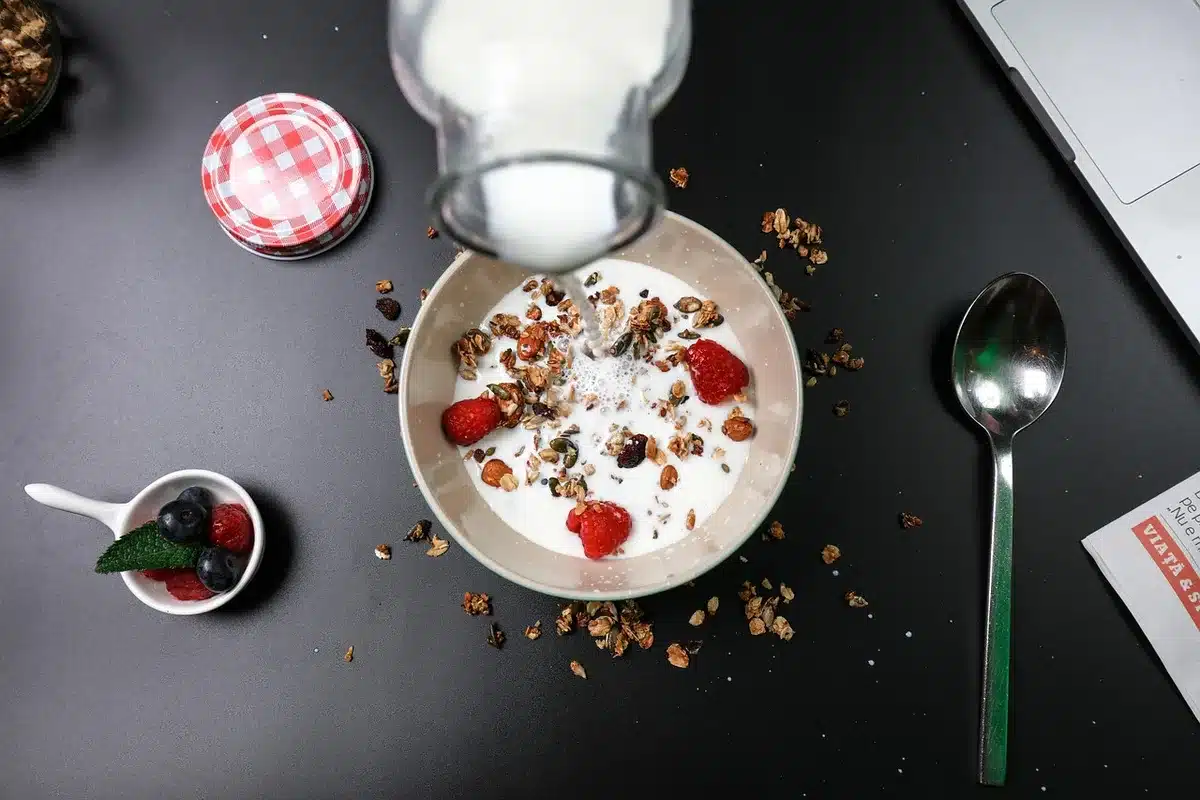
- Strawberries, raspberries, or dragon fruit
- Pink yogurt or smoothie bowls
- Beet-based dips and sauces
- Pink macarons, candies or frosted cookies for small treats
- Pink lemonade, rose syrup drinks or berry-infused water
What your result says about your Mean Girls generation
People are linking challenge outcomes to three broad cultural cohorts. These labels are playful rather than scientific, but they capture how different age groups interpret nostalgia and viral content.
- The Original Fans (Millennial high-school era): You were a teen or young adult when the film first released. You approach the challenge with theatrical jokes, memes referencing the film’s lines, and an eye for ironic styling. You’re comfortable mixing retro store-bought sweets with curated recipes.
- The Rediscoverers (late Millennials/older Gen Z): You found the film later through streaming or social chatter. You treat the challenge as an aesthetic exercise—thoughtful food plating, pastel backdrops and soundtrack clips. You enjoy the nostalgia but also the modern remix culture around it.
- The New Fans (Gen Z and younger): You weren’t alive for the original release but discovered the movie through trends and skits. The challenge is pure content potential: bright visuals, quick cuts and clever captions. You’re likely to prioritize shareability and humor over strict adherence to “authentic” references.
Scoring the challenge (optional)
If you want a quick way to interpret how closely your approach aligns with these generations, try this simple scoring method. It’s meant to be fun—no psychological claims.
- 1–3 pink items with store-bought snacks: leans toward the Original Fans’ nostalgia comfort zone.
- 4–7 items combining homemade and curated store finds: matches the Rediscoverers’ balance of retro and craft sensibility.
- 8+ items, heavy on inventive DIY and content-ready presentation: most like the New Fans focused on viral potential.
Beyond labels, the real takeaway is how a small, collective challenge can reveal differences in cultural memory and how each generation expresses fandom. Whether you’re doing it for the laughs, the aesthetic, or the communal storytelling, the pink-food test is another example of how pop culture continues to shape everyday rituals.
Want to try it? Start simple, document the day, and notice which film references you bring up naturally—your favorite line or the joke you lean on will likely explain which corner of the fandom feels most like home.