Composer Daniel Hart has quietly reshaped the sound of AMC’s cult horror series for its latest season, blending familiar genre cues with unexpected textures to push the show into new emotional territory. As the episodes reach viewers, the score’s choices matter: they steer tone, heighten suspense and will shape how fans and critics remember this chapter.
Hart’s approach is less about grand orchestral gestures and more about finding small, repeatable musical ideas that can evolve with the story. Rather than announce scares, the new score often creeps beneath images, pulling rhythm and color from instruments you wouldn’t immediately associate with television horror.
Shifts in tone and technique
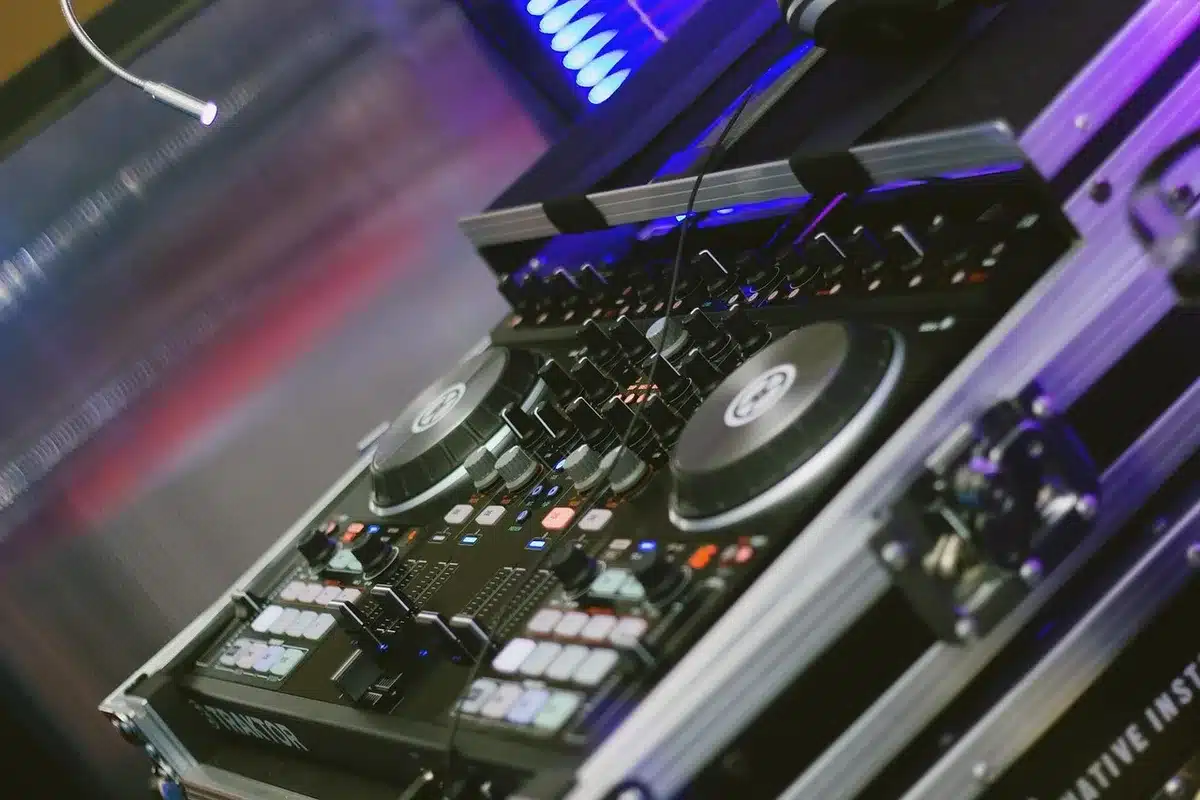
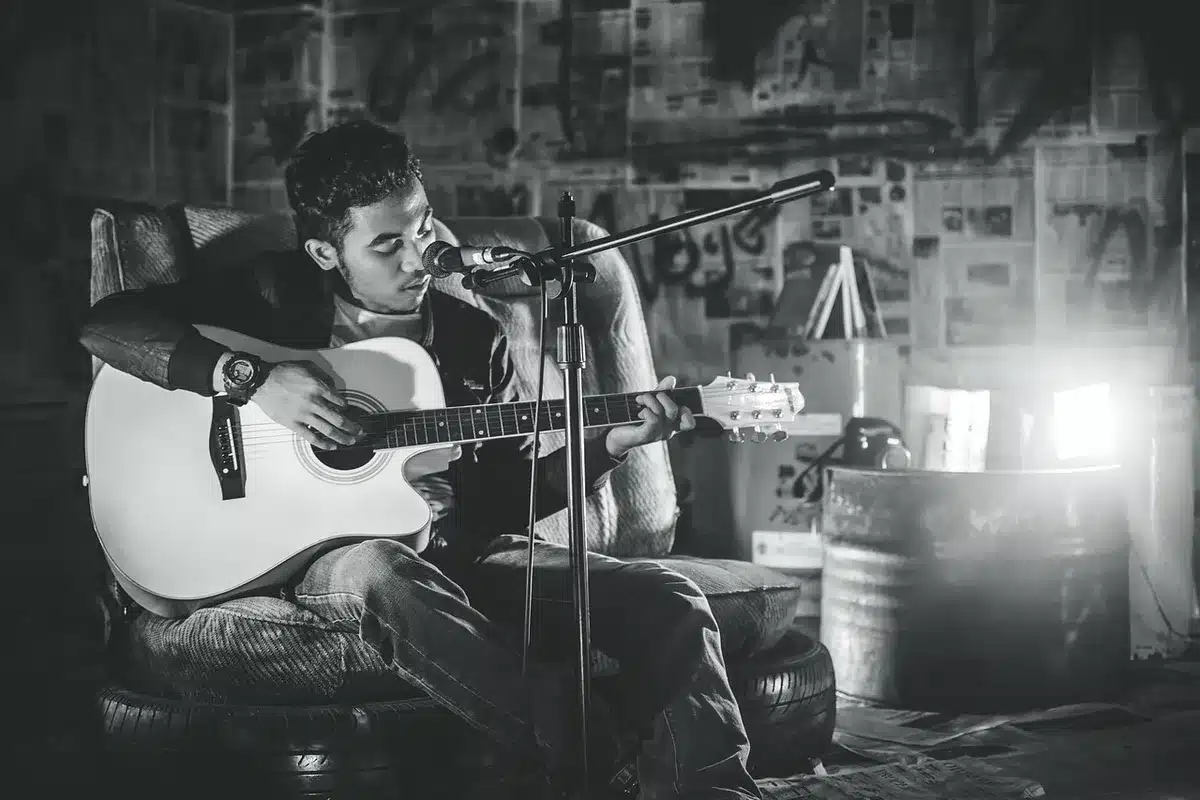
The soundtrack leans on a mix of acoustic and electronic elements to create tension that feels lived-in rather than theatrical. Intimate string lines or a solitary guitar phrase can quickly give way to warped synths or processed noise, so scenes that might otherwise read as conventional now carry an uneasy edge.
That choice affects pacing: music becomes a narrative partner, cueing emotional shifts and sometimes contradicting what’s onscreen to create cognitive dissonance. The result is a season that plays with expectations—inviting viewers to listen as carefully as they watch.
What Hart drew from
- Minimal themes: Small melodic cells that repeat and transform, letting motifs grow with characters rather than reset every episode.
- Textural contrast: Juxtaposing warm acoustic timbres with abrasive electronic processing to keep scenes unpredictable.
- Rhythmic focus: Percussive patterns used sparingly to drive suspense without dominating dialogue.
- Unconventional instrumentation: Everyday sounds and less-common instruments woven into the score to produce an uncanny familiarity.
- Dynamic silence: Strategic absence of music at key moments, making subsequent cues hit harder.
These elements aren’t only technical choices; they shape viewer experience. When a recurring motif returns altered, it signals character change or a thematic shift. When distortion replaces melody, it can signal a world becoming unmoored.
For fans of TV music, the season is an invitation to study how a composer can influence storytelling beyond obvious moments—how a theme’s texture can be as revealing as dialogue. For the show itself, the soundtrack is a tool that keeps the series feeling fresh without abandoning its horror roots.
Why this matters now
In an era when serialized TV competes on atmosphere as much as plot, a distinctive score can determine which scenes linger in the audience’s memory. Hart’s work gives the new season a sharper identity, and that will influence episode discussions, reviews and how viewers revisit moments on streaming.
Expect listeners to notice recurring motifs and clever instrument choices as the season progresses. Whether you follow the series for scares, character work or cinematic craft, the score is a quiet but active force shaping the conversation.
Pay attention to the credits and episode cues: the season rewards close listening as much as close watching, and Hart’s music is engineered to unfold across multiple viewings.