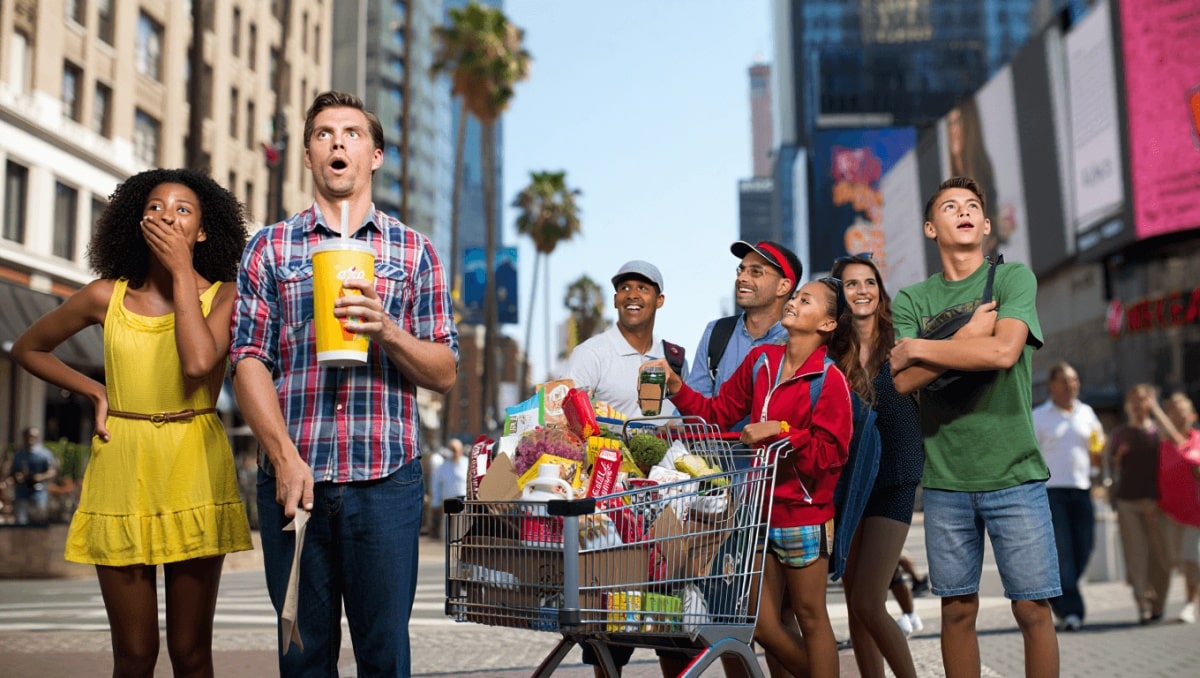
As the United States co-hosts the 2026 FIFA World Cup, short videos and viral posts from visiting fans are turning mundane American experiences into international talking points. These everyday surprises — from sprawling supermarkets to generous drink refills — are now shaping how millions see the country in real time.
That rapid spread matters: what once filtered home slowly through conversations and local outlets now travels instantly across platforms. Rachel J.C. Fu, who leads the tourism and hospitality program at the University of Florida, notes that modern visitors act as global reporters, broadcasting small cultural encounters to huge audiences — and those moments often focus on the ordinary rather than the iconic.
What fans are noticing
Below are the most-shared reactions that have circulated online during the tournament and why they’ve resonated beyond stadiums and tourist walks.
- American high schools — Visitors are struck by sprawling campuses, elaborate sports facilities and the prominence of school spirit, images that contrast with the more compact or less sports-focused schools many fans know at home.
- Ranch dressing — What seems like a simple salad dressing has become a viral curiosity, emblematic of broader differences in condiments and flavor habits.
- Deli sandwiches — Oversized, piled-high sandwiches have surprised some fans who compare them with smaller, more modest versions elsewhere.
- Walmart — The scale and variety in a single superstore, open long hours and stocked with unexpected items, has sparked both amusement and admiration.
- Taco Bell — A blend of familiarity and novelty: for many, fast-food interpretations of local flavors become a shorthand for American culinary creativity.
- Free refills — The now-viral practice of complimentary drink top-ups in many restaurants highlights differences in service expectations and cost structures.
- American school buses — The bright yellow buses are a potent visual symbol of U.S. school life and often appear in fans’ photo montages.
- Texas Roadhouse — Chain restaurants known for large portions and loud atmospheres have inspired a mix of delight and disbelief from international visitors.
- John Denver’s “Take Me Home, Country Roads” — The song’s ubiquity at sports and social gatherings has surfaced as a charming, unexpected cultural touchstone for some fans.
- Dunkin’, tipping and noisy crowds — From coffee rituals to service expectations and talkative fans, these everyday behaviors have become shorthand for broader impressions of American life.
Why these reactions matter now
Social posts about small cultural differences do more than amuse; they influence perceptions, travel decisions and even consumer expectations. Businesses may find opportunities to welcome repeat international customers, while destination managers can prepare for the reputational effects of widely shared clips.
There are also diplomatic overtones. When millions of people abroad see a short clip about a friendly waiter, a massive sandwich or a bright yellow bus, those images build a patchwork impression of the country that goes beyond official messaging.
Local hospitality professionals and city planners should take note: the tournament is not only a test of logistics but also a live window into everyday American customs, shown to the world in real time.
Ultimately, the viral moments from the 2026 World Cup remind Americans that ordinary parts of daily life — from how we tip to the songs we sing — can carry outsized influence when amplified by social media.