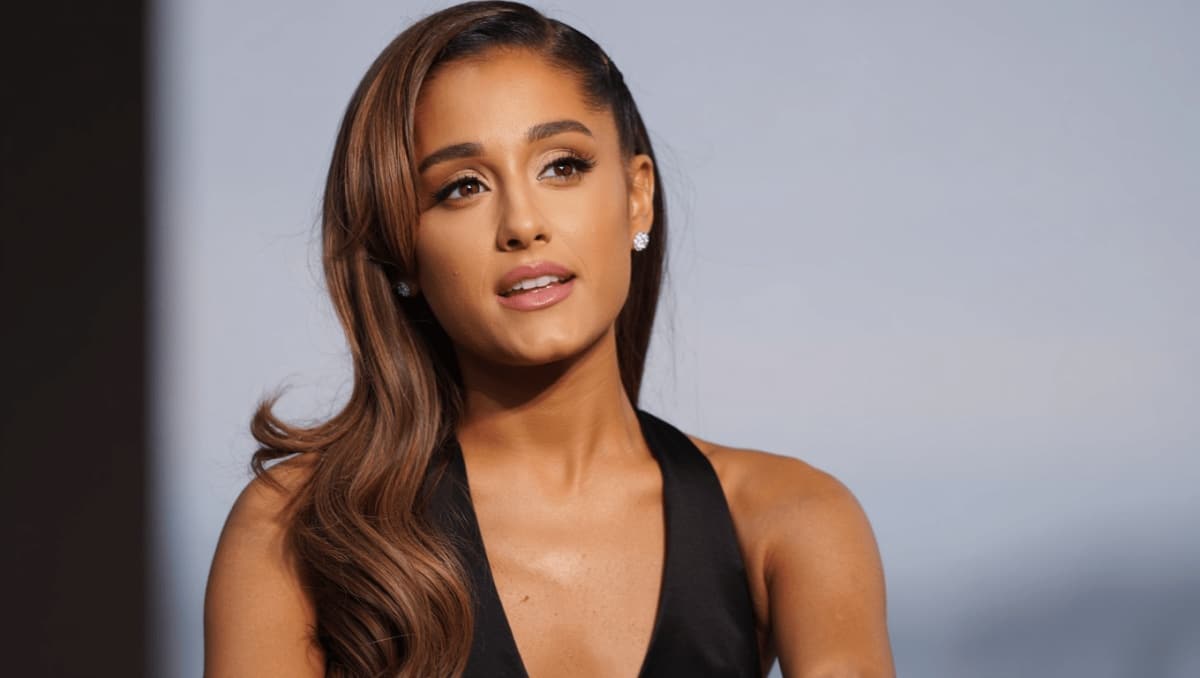
Viewers watching the new trailer for Ariana Grande’s upcoming film were caught off guard by something unexpected: her everyday speaking voice. The brief clip has reopened a wider conversation about celebrity persona and how much of a star’s public image is deliberately performed.
For more than a decade Grande has been associated with a distinctive, high-register speaking style—often caricatured online as the “Glinda” voice—so hearing her unfiltered cadence in a promotional trailer felt striking to many. The reaction has been swift across social platforms, where users pointed out the contrast between stage persona and ordinary speech and debated what it means for celebrity authenticity.
The difference matters because trailers frame audience expectations. When a performer’s natural voice suddenly appears in marketing material, it can reshape impressions of the character, the performance and even the tone of the film.
Why viewers noticed
There are a few clear reasons the moment resonated beyond casual fan chatter. First, the way public figures manage their voice is part of their brand; any deviation invites attention. Second, the trailer presents an edited, curated version of the film—so decisions about which takes to use are deliberate. Finally, social media amplifies small moments into broader conversations about authenticity and artifice.
- Brand vs. person: A distinctive speaking style can become a signature; a shift highlights the line between image and individual.
- Marketing choices: The clip’s producers selected this audio intentionally, suggesting it serves a storytelling purpose for the movie.
- Audience expectation: Longtime followers may reassess their assumptions about the performer and the role she plays on screen.
What people are saying — and why it matters
Reactions varied: some viewers expressed surprise and curiosity, others framed it as a welcome display of range. Media commentary has focused less on judgment and more on implications for casting and publicity—how a role is sold can influence box-office interest and critical framing.
For the industry, small moments like this have outsized consequences. Casting directors and publicists track how audience perception shifts in response to marketing touches; a single trailer can recalibrate a performer’s narrative in the press. For fans, the exchange becomes a moment of intimacy—seeing a different facet of a star feels like a rare, unguarded glimpse.
| Element | What changed | Potential effect |
|---|---|---|
| Vocal tone | Trailer features a lower, more “everyday” speaking voice | Alters perceived character authenticity; may attract wider audience interest |
| Public reaction | Online surprise and debate | Increased social engagement and free publicity |
| Marketing | Deliberate editorial choice in trailer audio | Signals creative direction of the film; shapes critic expectations |
None of this proves anything definitive about the film itself, but it does show how small production choices can produce outsized cultural moments. Whether viewers ultimately prefer the familiar persona or the quieter register will play out as more promotional clips and reviews arrive.
For now, the trailer has reignited a recurring conversation about performance and presentation in celebrity culture—an episode that reinforces how audiences increasingly scrutinize not only what stars do, but how they sound while doing it.