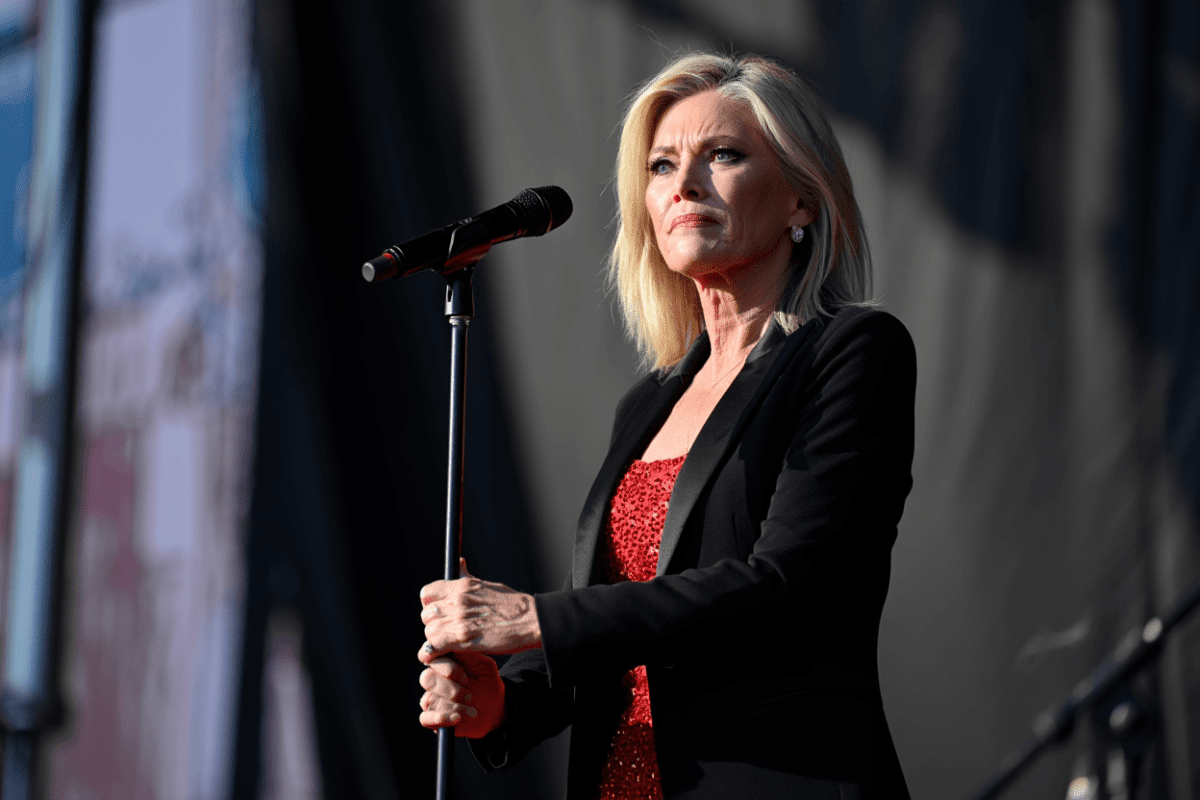
Martina McBride becomes the fourth major artist to withdraw from the Freedom 250 event in Washington, DC, citing that the Great American State Fair was misrepresented as nonpartisan. The country music icon announced her exit on May 28, 2026, following similar withdrawals from Young MC, Morris Day, and members of The Time. McBride’s cancellation reveals the growing backlash surrounding the Trump-backed benefit concert series.
🔥 Quick Facts
- Martina McBride cancels Freedom 250 performance on June 25, 2026
- Fourth artist to exit the 16-day Great American State Fair on the National Mall
- McBride states the event was presented as nonpartisan but later discovered otherwise
- Young MC, Morris Day, and The Time previously announced their withdrawals
- Event organized by Freedom 250, a Trump-backed initiative celebrating America’s 250th anniversary
The Timeline of Artist Withdrawals from Freedom 250
The Freedom 250 event launched its performer roster on May 27, 2026, announcing a lineup that included established names across multiple genres. Within hours of the announcement, artists began distancing themselves from the initiative. Young MC was among the first to publicly declare his non-participation, posting directly to social media that he had “INFORMED MY AGENTS THAT I WILL NOT BE PERFORMING AT THE FREEDOM 250 EVENT.” The hip-hop icon’s swift and definitive statement set the tone for subsequent withdrawals.
Morris Day and members of The Time followed suit, with Day stating on social platforms: “It’s a no for me,” denying involvement altogether. The funk legend’s crisp denial suggested he had never agreed to participate, indicating a potential roster misrepresentation. These rapid-fire cancellations created momentum that continued into the evening of May 28, when McBride released her statement addressing the situation directly.
Martina McBride’s Direct Statement and Specific Concerns
McBride took a different approach than previous artists, releasing a detailed statement that acknowledged how she was recruited for the event. According to reporting from Variety and Rolling Stone, the Grammy-nominated vocalist wrote: “I would like to talk to you and clear the air. I will not be performing at the Great American State Fair on June 25th.” Her post elaborated on the presentation she received, stating she was initially assured the event was “nonpartisan” and designed to “celebrate ALL 50 states.” This framing suggests the event organizers explicitly marketed the compilation as apolitical during negotiations with performers.
McBride’s cancellation distinguishes itself through transparency about her due diligence process. She revealed that she had “asked lots of questions” before initially accepting the engagement, which demonstrates how thoroughly organizers disguised—or at least how McBride perceived—the political nature of the event. Her subsequent discovery was significant enough to warrant a public reversal despite contractual and promotional obligations, reflecting the strength of her concern about the true identity of the event.
The Great American State Fair: Event Details and Controversy
The Great American State Fair is scheduled for June 25 through July 10, 2026 on the National Mall in Washington, DC. The 16-day festival is positioned as part of the broader America 250 Semiquincentennial celebration, marking the United States’ 250th anniversary of independence. According to multiple sources, Freedom 250—the organizing entity—is backed by the Trump administration and operates as a public-private partnership. This structure combines government resources with private sector coordination, which may have created an environment where performers felt misled about the public versus political dimensions of the event.
The event lineup originally included artists from diverse genres: country (McBride, who has sold millions of albums), hip-hop (Young MC), funk-soul (Morris Day), electronic/dance (C+C Music Factory), and others. This genre diversity may have been intentional to create an appearance of broad cultural appeal and reinforce claims of nonpartisanship. However, the rapid withdrawals suggest that performers’ research—or communications from other industry figures—revealed inconsistencies between how the event was marketed privately and its actual political positioning.
Industry Implications and Artist Accountability Signals
| Artist | Genre | Status | Withdrawal Date |
| Young MC | Hip-Hop | Withdrawn | May 28 |
| Morris Day | Funk/Soul | Withdrawn | May 28 |
| The Time | Funk/Soul | Withdrawn | May 28 |
| Martina McBride | Country | Withdrawn | May 28 |
The coordinated nature of these withdrawals reveals an important pattern in entertainment industry decision-making. When established performers—many with decades-long careers and built audiences—choose to leave an engagement, it typically signals one of two scenarios: either contractual flexibility with minimal penalties, or the reputational cost of association exceeds financial incentives. McBride’s case appears to fall into the latter category, as her public statement demonstrates she prioritized brand alignment over contractual obligations.
These cancellations establish a precedent for how major artists evaluate event partnerships beyond financial terms. The broader industry coverage of America 250 concert lineup shifts suggests this phenomenon extends beyond the four confirmed exits, with additional artists potentially reconsidering their involvement as the event’s political positioning becomes increasingly transparent.
“I was presented with the opportunity to perform at a nonpartisan event but that turned out to be misleading.”
— Martina McBride, via social media statement, May 28, 2026
What These Cancellations Reveal About Event Marketing Practices
The Freedom 250 cancellations expose a critical gap between how major events are presented to performers versus how they are publicly positioned. McBride’s revelation that she was “assured” the event was nonpartisan suggests that event organizers may have used selective language or emphasized certain aspects (celebration of all states, inclusive programming) while downplaying the Trump administration’s central role. This discrepancy represents a larger tension in the entertainment industry: the degree to which artists can or should vet event sponsorship before accepting engagement.
The speed of withdrawals indicates that performers likely consulted with agents, managers, and potentially peer networks before making decisions. Industry insiders may have circulated information suggesting the event’s true political character once the lineup was announced. For established artists with lengthy careers and substantial fan bases, brand preservation outweighs financial compensation, particularly when event association could alienate portions of their audience or contradict their public positioning.
What Happens Next: Replacement Lineup and Event Viability?
As of May 29, 2026, the Freedom 250 organization faces significant pressure to fill four prominent performer slots before the June 25 launch date—just 27 days away. Event organizers will need to either recruit replacement performers or adjust the event scale and duration. The reputational damage from artist withdrawals may deter additional performers from accepting offers, creating a compounding effect. Artists considering participation will now see a demonstrated pattern of high-profile exits, potentially signaling deeper issues with event positioning or organization.
The timeline is particularly constrained for a multi-stage, 16-day festival requiring technical infrastructure, promotional coordination, and performer logistics. Recruiting established artists of McBride’s caliber typically requires weeks of negotiation and advance promotion. The late-stage nature of these cancellations disrupts marketing timelines and may force organizers to shift strategy—potentially toward up-and-coming artists with fewer bargaining options or toward performers whose schedules permit last-minute commitments.
Why Does Artist Transparency Matter for Discover Readers?
These cancellations matter beyond entertainment industry politics. They demonstrate how public figures use their platforms to address transparency concerns when they feel misled. McBride’s detailed statement—as opposed to simply withdrawing—sets a precedent that performers have responsibility to audiences to explain their decision-making. When artists cite misleading representations of an event, they implicitly offer fans insight into their values and vetting processes.
For readers following entertainment news, these events reveal broader themes about political polarization, industry accountability, and artist agency in an increasingly fragmented media landscape. McBride’s choice to cancel after initially accepting reflects growing pressure on public figures to align their professional commitments with their personal positions or audience expectations—a tension that shapes major event planning across entertainment, sports, and corporate sponsorship.
Sources
- Variety — “Martina McBride Is Fourth Performer to Exit ‘Freedom 250’ Shows in D.C.” (May 28, 2026)
- Billboard — “Martina McBride Pulls Out of ‘Misleading’ Great American State Fair” (May 29, 2026)
- Rolling Stone — “Martina McBride Drops Out of Trump’s ‘Misleading’ Freedom 250 Concert” (May 28, 2026)
- The Hill — “Multiple artists listed for America 250 event on National Mall” (May 28, 2026)
- NBC Washington — “Martina McBride, Morris Day among wave of cancellations” (May 28, 2026)