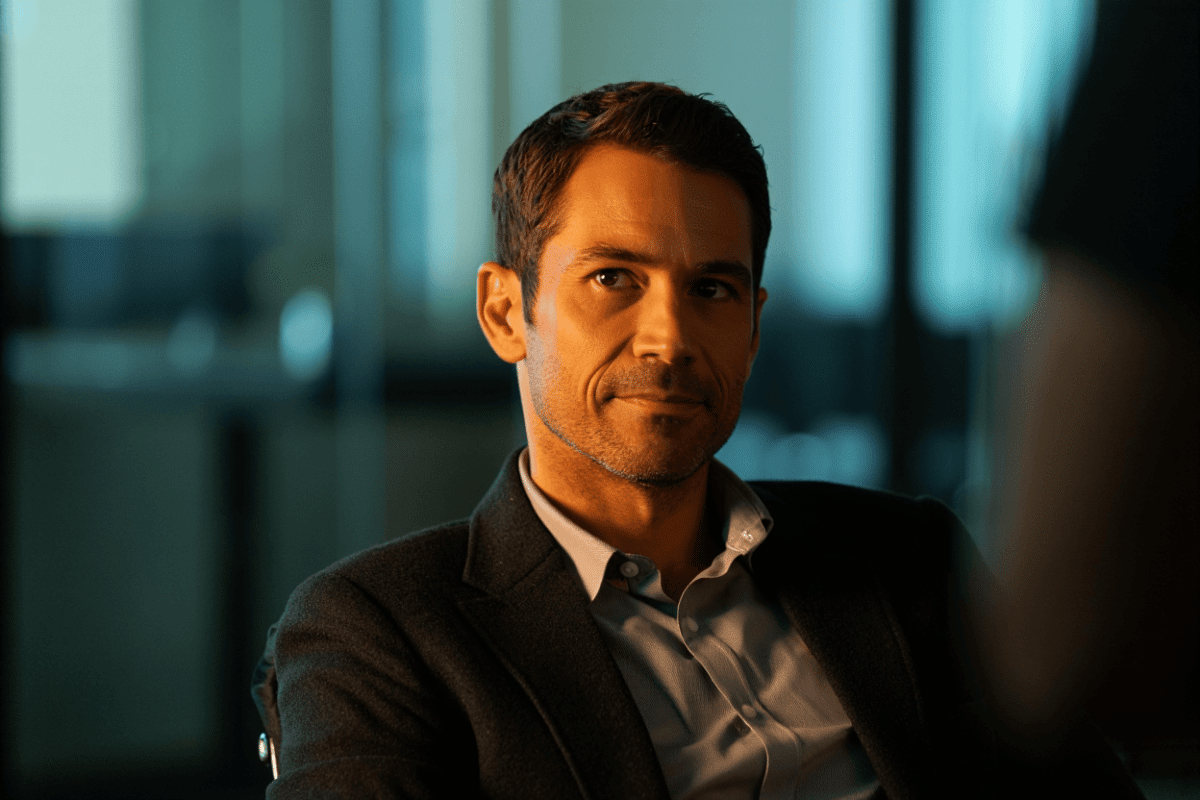
Nick Bilton, a 49-year-old documentarian and former New York Times technology columnist, has been named executive producer of CBS’s 60 Minutes, replacing longtime leader Tanya Simon. The announcement on May 28, 2026, marks one of broadcast journalism’s major leadership transitions, with Bari Weiss, the network’s editor-in-chief, bringing an unconventional outsider into the most prestigious news magazine role. Bilton brings no traditional broadcast journalism background but arrives with extensive investigative credentials, documentary filmmaking expertise, and deep knowledge of technology’s impact on society and culture.
🔥 Quick Facts
- Nick Bilton, 49, named executive producer of 60 Minutes — replacing outgoing executive producer Tanya Simon
- Former New York Times technology columnist — spent nearly a decade at the Times covering tech, innovation, and digital culture
- Published multiple bestselling books — including investigations of technology, crime, and American culture
- Experienced documentarian and filmmaker — has directed and produced documentaries on business, technology, and society
- Currently special correspondent at Vanity Fair — covers technology, business, politics, and culture
A Bold Leadership Shift at America’s Most Prestigious News Magazine
60 Minutes stands as broadcast television’s most decorated investigative program. The official CBS News statement confirms that Bilton’s role begins immediately as executive producer, a position that oversees editorial direction, story selection, and overall strategic vision for the program. With nearly 25 Peabody Awards and recognition as “one of the most esteemed news magazines on American television” (per The New York Times), the show has defined long-form broadcast journalism for five decades since its 1968 debut.
The appointment represents a significant departure from traditional newsroom hierarchy. Previous executives came from within CBS News or established broadcast journalism institutions. Bilton’s selection signals Weiss’s intention to infuse the program with outsider perspectives and fresh editorial approaches, moving away from what the new leadership views as dated broadcast conventions.
Bilton’s Unconventional Path to Broadcast Journalism Leadership
Nick Bilton built his reputation as a technology-focused investigative journalist rather than a general news correspondent. At the New York Times, he served as lead technology writer and columnist, where he examined the intersection of innovation, crime, power, and daily life. His journalism proved foundational to discussions about how technology reshapes behavior, politics, and social norms—precisely the expertise that Weiss appears to value.
Beyond journalism, Bilton established credentials as a documentary filmmaker and screenwriter. His documentary work probed complex business narratives and technological disruption. He published multiple New York Times bestselling books investigating criminal innovation, technology adoption, and corporate power dynamics. This combination—rigorous investigative thinking merged with narrative storytelling ability—positions him to reshape 60 Minutes’ approach to long-form television reporting.
Currently, he serves as special correspondent at Vanity Fair, where he covers technology, business, politics, and culture. His contributions to CNBC and various publications demonstrate sustained credibility across premium platforms and audiences increasingly skeptical of mainstream institutional media.
The Context: A Network in Transition
| Leadership Change | Timeline | Details |
| Tanya Simon departure | May 2026 | Executive producer removed, only fourth in the show’s 58-year history |
| Anderson Cooper exit | May 17, 2026 | Long-time correspondent departs, final episode aired |
| Bari Weiss appointment | 2026 | New CBS News editor-in-chief pushing major organizational restructuring |
| Bilton named EP | May 28, 2026 | Documentary filmmaker and tech journalist becomes executive producer |
The timing of Bilton’s appointment reflects broader upheaval at CBS News. Bari Weiss has signaled her intention to fundamentally restructure the division, moving it away from what insiders describe as aging institutional practices. CBS News insiders reported in mid-May that the network expected “massive changes” to 60 Minutes, with anticipated layoffs and editorial direction shifts. Bilton’s hiring crystallizes this vision: replacing traditional broadcast journalism credentials with investigative intelligence, technical literacy, and storytelling innovation.
“Nick brings extraordinary investigative credentials, documentary filmmaking talent, and deep expertise in technology’s impact on society—exactly what 60 Minutes needs as broadcast journalism evolves.”
— CBS News Leadership Statement, May 28, 2026
What This Appointment Signals About the Future of Broadcast News
Bilton’s selection represents a calculated bet that broadcast journalism’s future depends less on traditional newsroom pedigree and more on substantive investigative capability, multimedia storytelling, and cultural awareness. His technology background addresses a generational gap: much of television news leadership lacks deep understanding of digital platforms, algorithmic media, or how information moves through modern networks.
The appointment also signals willingness to challenge institutional hierarchies. Promoting a non-traditional candidate to lead television’s most prestigious news program sends a message: credentials come from demonstrated work and expertise, not career progression through standard newsroom positions. This approach may appeal to younger audiences increasingly skeptical of traditional media institutions while potentially unsettling veteran broadcast journalists accustomed to insider advancement.
Bilton will inherit a show with declining viewership like much of broadcast television, yet still commanding significant cultural prestige and investigative resources. His challenge: modernize editorial approach without sacrificing the investigative rigor that defines 60 Minutes’ reputation. His strength: he understands how information moves through multiple platforms and why technology literacy matters to contemporary journalism.
What Does This Mean for 60 Minutes’ Editorial Direction?
Several implications emerge from this leadership transition. First, expect increased focus on technology, digital culture, and power dynamics within tech industries—areas of Bilton’s demonstrated expertise. Second, the program likely emphasizes narrative innovation and multimedia integration, moving beyond traditional television formats. Third, story selection may prioritize investigative work on previously underexamined intersections: technology and society, innovation and regulation, digital culture and human behavior.
Bilton’s documentary experience suggests potential for longer-form investigations, limited series, or non-traditional episode structures. His Vanity Fair work demonstrates comfort with cultural criticism alongside hard news reporting. His technology background signals that algorithms, platforms, artificial intelligence, and digital power will receive sustained investigation.
The broader context matters: CBS News faces structural challenges common to broadcast television. Declining linear TV viewership, cord-cutting, and aging audiences threaten traditional news economics. Bilton’s appointment suggests the network believes innovation in editorial approach—not just distribution—offers a path forward. Whether that gamble succeeds depends on whether audiences trust a technology journalist to lead television’s flagship investigative program while broadcast news itself undergoes transformation.
Sources
- The New York Times — Announcement and background on Nick Bilton’s appointment as 60 Minutes executive producer
- Paramount Press Express/CBS News — Official CBS News statement regarding leadership change
- New York Post — Context on broader 60 Minutes restructuring and personnel changes
- Variety — Analysis of 60 Minutes’ leadership transitions and industry significance
- Britannica — Historical context on 60 Minutes’ founding, format, and broadcast journalism recognition