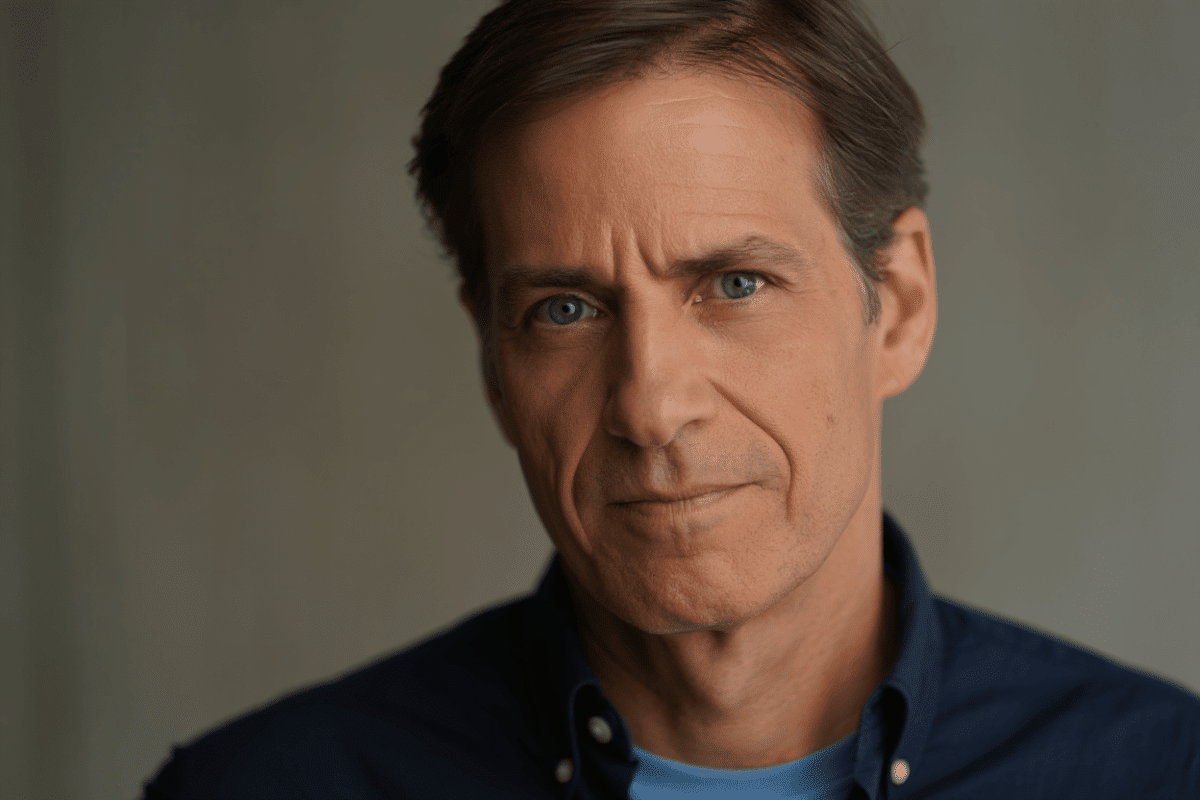
Luke Perry, the late Beverly Hills, 90210 icon, extended extraordinary generosity to Neal McDonough and his family during a devastating period when McDonough’s adherence to his personal faith principles cost him lucrative Hollywood roles. In a revealing interview aired on May 26, 2026, McDonough disclosed that Perry opened his home to him, his wife Ruvé Robertson, and their five children after the actor became blacklisted by the entertainment industry—a gesture of support that proved instrumental in helping the family endure their financial crisis.
🔥 Quick Facts
- Luke Perry provided housing to McDonough’s family of seven during a career blacklisting period
- Neal McDonough was blacklisted for approximately 2 years after refusing on-screen intimate scenes with actresses other than his wife
- McDonough lost his house, car, and financial stability during the Hollywood blacklisting
- Perry (1966–2019) was a mentor figure known for supporting younger actors throughout his career
- McDonough revealed this story on May 26, 2026, demonstrating Perry’s lasting impact years after his 2019 death
The Price of Principle: McDonough’s Stand on Faith and Marriage
Neal McDonough‘s commitment to his Catholic faith and marital fidelity became a professional liability in 21st-century Hollywood. The actor, born February 13, 1966, built a respectable career through the 1990s and early 2000s with notable roles in Band of Brothers (2001), Minority Report (2002), and television appearances on major networks. However, his contractual requirement to avoid on-screen kissing—a clause he inserted specifically to honor his wife Ruvé Robertson—eventually made him persona non grata in an industry where romantic and intimate scenes are standard casting expectations.
The turning point came around 2010 when McDonough was cast in ABC’s dramedy Scoundrels. Studio executives demanded script alterations that contradicted his personal boundaries. Rather than compromise his principles, McDonough walked away from the role—a $1 million opportunity that represented the kind of mainstream success most actors pursue relentlessly. The decision appeared principled but immediately triggered industry consequences that would devastate his family’s financial security.
Hollywood’s Blacklist: Two Years in the Wilderness
Following his departure from Scoundrels, the entertainment industry’s informal but brutally effective blacklist machinery activated against McDonough. Studio executives dismissed him as “difficult,” “religious nut bag,” and professionally unreliable. Casting directors wouldn’t return calls. Agents distanced themselves. For approximately two years, McDonough couldn’t secure meaningful work—a catastrophic situation for any performer, but especially critical for a father of five.
The financial consequences spiraled rapidly. McDonough lost his house, unable to maintain mortgage payments. His vehicle was repossessed. His family’s savings evaporated. The psychological weight compounded the material losses—a man who had worked steadily as a professional actor for decades suddenly found himself unemployable, his career trajectory seemingly terminated by a single principled stance.
Luke Perry’s Intervention: A Mentor’s Quiet Generosity
It was during this darkest period that Luke Perry offered what McDonough now describes as a lifeline. Perry, who had achieved iconic status through Dylan McKay on Beverly Hills, 90210 (appearing 1990–1995 and 1998–2000), extended an invitation to McDonough’s entire family to move into his home. The gesture provided immediate relief—a secure roof, a stable environment for McDonough’s children, and crucially, the psychological validation that at least one prominent Hollywood figure respected McDonough’s convictions rather than condemning them.
Perry’s mentorship approach reflected the generosity he extended to younger actors throughout his career. Riverdale costar Madchen Amick once noted that Perry served as “a father figure and mentor to the show’s young cast, infusing the set with love and kindness.” This consistent pattern of support, documented repeatedly by Perry’s professional collaborators, suggests his assistance to McDonough emerged from deeply ingrained values about community and professional responsibility rather than a one-off act of charity.
Career Reinvention and Long-Term Recovery
| Period | Career Status | Key Details |
| 1990–2009 | Established Actor | Band of Brothers, Minority Report, steady TV/film work |
| 2010–2012 | Blacklisted | Hollywood rejection after refusing compromises on faith-based boundaries |
| 2012–2020 | Pivot to Antagonist Roles | Reinvented as villain/antagonist in Desperate Housewives, Suits, Yellowstone |
| 2020–Present | Steady Work + Faith Content | The Last Rodeo (2025), podcast appearances, Catholic speaker circuit |
Following his period living with Perry, McDonough strategically repositioned himself in the entertainment landscape. Rather than fighting to return to leading-man roles that would require compromising his values, he embraced antagonist and complex character work—roles where the absence of on-screen romance became an asset rather than a liability. His appearances in Desperate Housewives, Suits, and Yellowstone demonstrated that refusing to play the traditional leading roles didn’t mean professional irrelevance. By accepting character parts that aligned with his boundaries, McDonough rebuilt a sustainable career.
“I couldn’t get a job and I lost everything. For two years, I couldn’t work. Luke was there when it mattered most. He didn’t judge me for my decision to stay true to my wife and my faith. That kindness, that respect for my choices—it kept our family intact during the darkest time I’ve ever experienced.”
— Neal McDonough, Interview, May 26, 2026
The Broader Meaning: Mentorship in an Industry of Contrasts
Luke Perry’s generosity to McDonough reflects a dimension of Hollywood leadership rarely discussed in mainstream entertainment journalism. While award shows celebrate on-screen achievements, the quiet acts of professional mentorship—providing housing during blacklisting, defending actors against industry pressure, validating alternative life choices—remain largely invisible. Perry’s gesture became all the more significant because it occurred during an era when religious conviction and personal boundaries were treated as professional liabilities rather than personal integrity.
McDonough’s willingness to publicly credit Perry now, years after Perry’s death from ischemic stroke on March 4, 2019, suggests the depth of gratitude that transcends typical industry relationships. Many celebrities face genuine hardship during career transitions, but few receive tangible support from established peers. Perry’s family-of-seven-sized generosity stands as documented evidence that Hollywood occasionally produces individuals who prioritize human dignity over industry convention.
What Changed, and What Remains?
The entertainment industry has evolved somewhat since 2010–2012 regarding casting flexibility and actor boundaries. Major productions now accommodate various performance restrictions, and inclusive casting advocacy has generated genuine shifts in what roles require what content. Yet McDonough’s experience demonstrates the cost some actors paid during the transition decades—sacrifice that went publicly unrecognized until his recent revelation.
Perry’s death in 2019 meant he never witnessed the cultural conversation that would eventually validate McDonough’s choices. He never heard the actor publicly attribute survival through blacklisting to Perry’s quiet intervention. Yet that intervention—offering shelter to a family facing financial catastrophe—exemplified the mentorship values Perry consistently demonstrated throughout his career. For McDonough, that support at the critical moment transformed what could have been professional ruin into a survivable struggle and eventual reinvention.
How Do Today’s Actors Handle Principle-Based Career Decisions?
McDonough’s story raises an important question for contemporary performers navigating their own boundaries within entertainment contracts: Does standing on principle require risking financial devastation? The answer, based on 2010s industry conditions, was often yes—with one crucial caveat: having professional allies who respected those choices. Luke Perry provided that rare alliance, reminding the industry that mentorship sometimes means material support, not just professional advice.
As casting continues to evolve and more actors openly discuss performance boundaries, McDonough’s journey from blacklist to respected character actor offers a framework—not a guaranteed outcome, but evidence that persistence, reinvention, and community support can sustain careers that initially appear destroyed. The question remaining: How many other actors faced similar blacklisting but lacked a Luke Perry figure to provide shelter during the wilderness years?
Sources
- Fox News Entertainment – “Neal McDonough says Hollywood labeled him ‘religious nut,’ cost him his career and home” (May 26, 2026)
- Mixvale Entertainment News – “Neal McDonough Reveals Hollywood Blacklist After Refusing to Kiss Co-Star” (May 26, 2026)
- Wikipedia – Luke Perry biography and filmography
- IMDB – Neal McDonough filmography and career chronology
- HuffPost Canada – “Luke Perry Went From Brooding Rebel To Iconic Dad, On and Off-Screen” (March 4, 2019)
- Catholic Speakers Bureau – Neal McDonough professional biography and speaking engagements