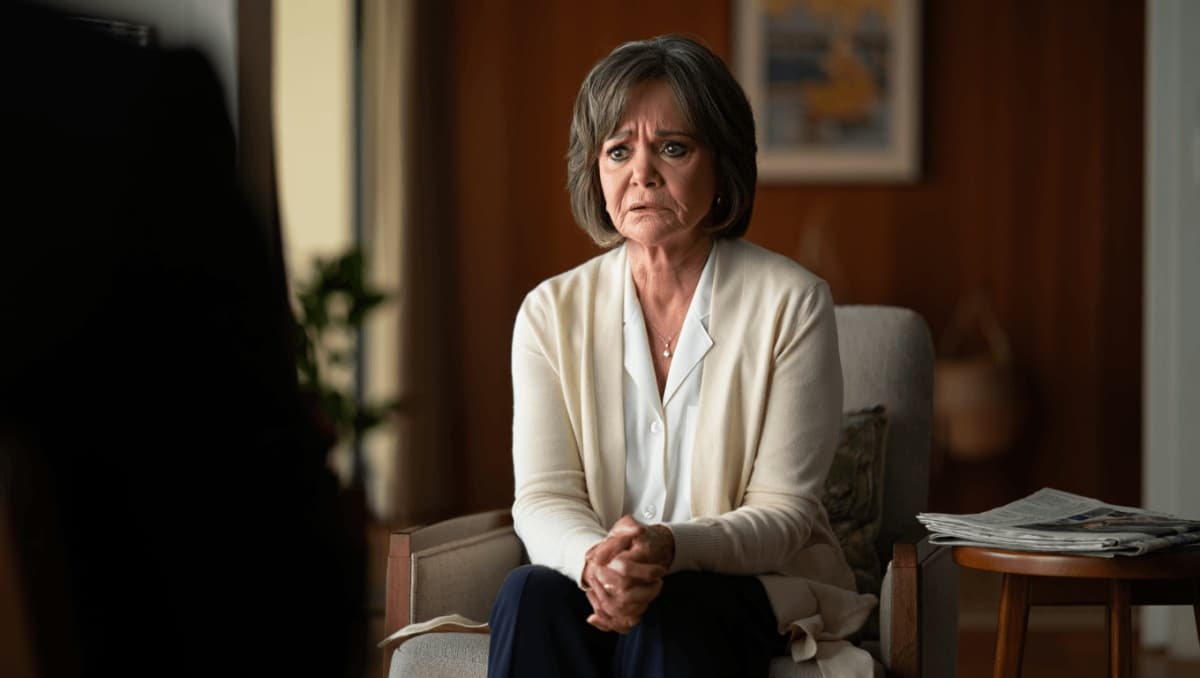
Sally Field, the Academy Award-winning actor, has said she is “worried about the world right now,” a sentiment that resonates as public anxiety about politics, climate and social stability continues to surface. Her comments matter beyond celebrity gossip: they reflect how influential figures are framing today’s cultural anxieties for broad audiences.
Why the remark lands
Field’s profile—spanning decades of film and television—gives her words reach. When a long-established artist speaks about unease, it often draws attention not just from fans but from media, cultural institutions and charities that track public sentiment.
That attention matters in the current media landscape. Conversations that once stayed in opinion pages now trend across social platforms and news feeds, shaping how people interpret complex issues. A brief statement from a respected public figure can become a prompt for broader discussion.
What this implies
There are several practical effects when a high-profile actor expresses concern about the world. Some are cultural, others logistical: shifts in media coverage, invitations to speak at forums, or renewed focus on causes the figure supports. For older audiences, it can also validate their own worries; for younger audiences, it can prompt curiosity or debate.
- Amplification: Media and social channels quickly circulate simple, relatable messages, multiplying their reach.
- Conversation starter: Public concern from notable figures often reframes private anxieties as shared social issues.
- Institutional response: Nonprofits, film festivals and advocacy groups may respond by highlighting related programming or campaigns.
- Cultural signal: It joins a pattern of veteran artists engaging with public debates about the future.
Context from the industry
Actors and filmmakers have increasingly used their platforms to comment on civic life. That trend has roots in long-standing relationships between culture and politics, but recent years have seen more frequent, direct interventions—from interviews to social media posts and public appearances.
Field’s remark arrives in that context: not as an isolated soundbite but as part of a broader pattern where creators and performers weigh in on issues outside their primary art. The overlap between celebrity and civic discourse is not new, but its consequences are amplified by online distribution.
That amplification can be constructive—raising awareness and funding for causes—or divisive when comments are taken out of context. The balance depends on how comments are framed afterward and whether they spark informed discussion rather than polarizing headlines.
What to watch next
Look for follow-up coverage that places Field’s concerns next to specific issues: climate policy, civic institutions, or public health. Pay attention to whether her remarks lead to invitations to speak at panels, endorsements of causes, or collaborations with advocacy groups.
For readers, the immediate value is interpretive: consider how public figures shape debate and why their words circulate. The exchange between celebrity statements and public response remains an important barometer of cultural mood.
Ultimately, when a veteran artist like Sally Field voices unease, it serves as a reminder that cultural commentary now travels fast—and that celebrities can help start conversations many people are already having.