Better Call Saul marked its fourth anniversary of the series finale on August 15, 2026, four years after the Breaking Bad spin-off concluded with the acclaimed episode “Saul Gone”. While the AMC legal drama remains complete and critically celebrated, star Bob Odenkirk recently reopened the question of whether Jimmy McGill could ever return to television—though under strictly limited circumstances that reflect the show’s narrative finality.
🔥 Quick Facts
- Finale aired August 15, 2022, making 2026 the fourth anniversary of the series conclusion.
- 2.7 million viewers watched on AMC, the highest viewership of the final season.
- Jimmy McGill sentenced to 86 years prison in the series finale.
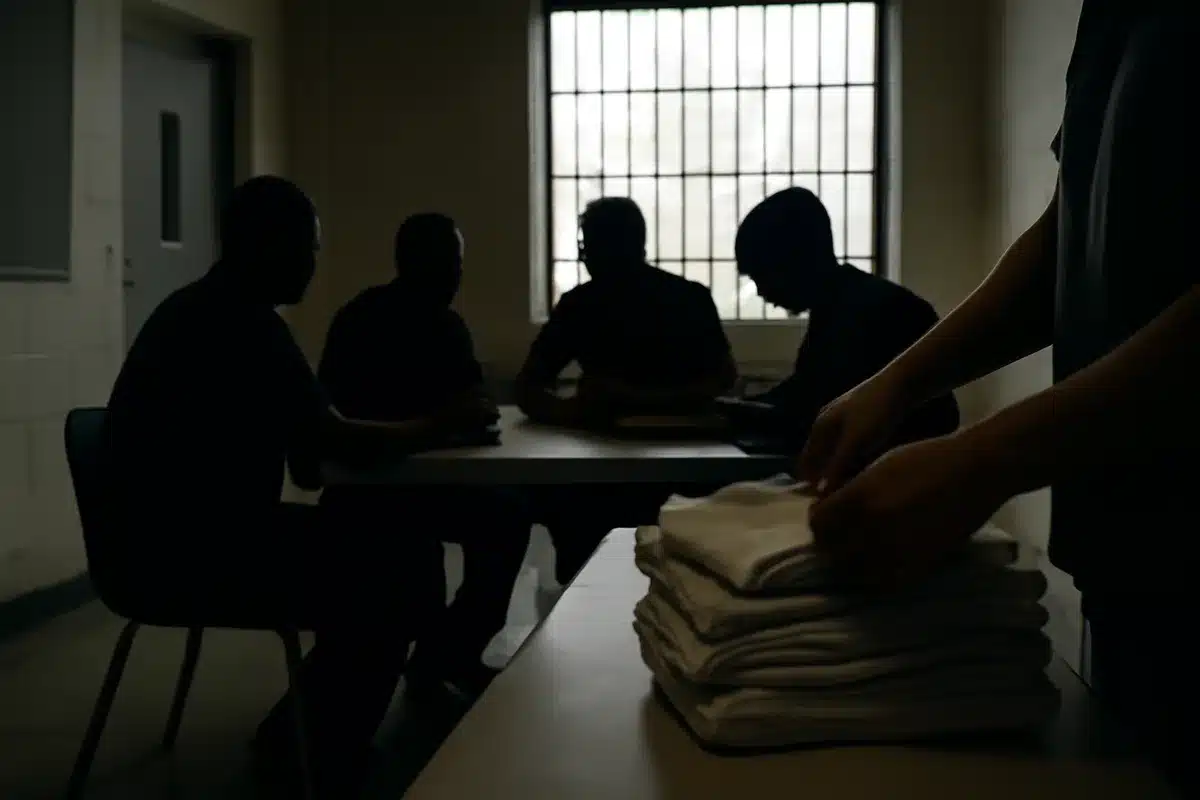
- Bob Odenkirk stated a revival would only work set in prison, where the character “is not getting out.”
A Perfect Ending Four Years Later
Better Call Saul concluded its six-season, 63-episode run with remarkable finality and critical acclaim. The series, created by Vince Gilligan and Peter Gould, began in February 2015 with the pilot episode “Uno.” The 90-month journey from start to finish traced Jimmy McGill’s transformation from struggling lawyer to criminal defense attorney Saul Goodman, then to prison inmate accepting his true identity.
The final episode, written and directed by Peter Gould, achieved what many prestige dramas struggle with: a narratively satisfying conclusion that honored four seasons of character development. Jimmy ultimately confessed to federal crimes, including his role in enabling Walter White and his culpability in Chuck McGill’s suicide, choosing redemption over escape.
Why Revival is Unlikely Despite Odenkirk’s Comments
In August 2025 interviews marking the three-year anniversary, Odenkirk told TODAY.com that a revival would theoretically be possible but remains impractical. He emphasized that Jimmy McGill is “not getting out” of his 86-year prison sentence, making any narrative continuation fundamentally limited.
The actor acknowledged the core issue: a prison-set spin-off would struggle with dramatic momentum. Jimmy has already completed his character arc—he rejected Saul Goodman and recommitted to his actual identity. His incarceration represents earned consequences, not a starting point for renewed conflict. Odenkirk expressed skepticism about whether a series of prison episodes could generate compelling television without undermining the finale’s thematic power.
Viewership and Critical Legacy
The final episode’s success in viewership demonstrated sustained audience investment. The 2.7 million viewers watching “Saul Gone” marked the highest viewership of Season 6, significantly exceeding the spring premiere’s 1.4 million viewers. On AMC+, the finale generated four times more viewers on day one than the season premiere, according to AMC Networks.
Critics universally praised the episode for its structural sophistication and emotional resonance. IGN, Rotten Tomatoes, and The Hollywood Reporter cited the finale as one of the strongest endings in prestige television, comparing its thematic coherence favorably to Breaking Bad‘s conclusion. The episode maintains a 9.8/10 rating on IMDb from over 78,000 viewers.
| Metric | Figure |
| Total Series Episodes | 63 |
| Seasons Aired | 6 (2015-2022) |
| Premiere to Finale Span | 90 months |
| Finale Viewership (AMC) | 1.8 million live viewers |
| Total with AMC+ | 2.7 million viewers |
| IMDb Rating (Finale) | 9.8/10 (78,500+ ratings) |
“But, Odenkirk reveals to TODAY.com, a ‘Better Call Saul’ revival is not out of the question. However, the character would have to remain behind bars. ‘He’s not getting out,’ Odenkirk said.”
— TODAY Show, Interview with Bob Odenkirk (August 2025)
The Case for Narrative Closure
Jimmy McGill’s arc represents one of television’s most carefully constructed character progressions. The series deliberately positioned his redemption—confessing his crimes and rejecting the Saul Goodman persona—as irreversible. His sentence is legal and permanent. The closing scenes show him at peace with this outcome, having achieved genuine atonement.
A revival would necessarily negate this finality. Writers would face a creative paradox: either Jimmy receives a pardon (negating his earned consequences), or the show becomes a prison drama divorced from the original premise. Odenkirk‘s hesitation reflects this fundamental storytelling problem. The Breaking Bad universe established that character conclusions matter and that Vince Gilligan‘s vision prioritizes narrative integrity over commercial potential.
What Does the Breaking Bad Universe Look Like in 2026?
The conclusion of Better Call Saul formally ended the Breaking Bad saga. Walter White had died in 2009 (in the show’s timeline). Jesse Pinkman received his definitive ending via Netflix’s “El Camino” in 2019. Better Call Saul provided final closure to Jimmy McGill, Kim Wexler, and the criminal underworld they inhabited.
Recent interviews with Vince Gilligan and Peter Gould suggest both creators view the universe as narratively complete. AMC has not commissioned any spinoffs, suggesting corporate confidence in the finality. The focus has shifted to legacy preservation and streaming availability rather than expansion.
Sources
- TODAY Show — Bob Odenkirk exclusive interview on Better Call Saul revival possibilities (August 15, 2025)
- Entertainment Weekly — Bob Odenkirk on prison-setting requirement for revival
- Wikipedia/Saul Gone Episode — Series finale viewership, IMDb ratings, and episode details
- AMC Networks Press Release — Viewership figures and streaming performance data
- The Hollywood Reporter — Critical reception and ratings analysis of series finale