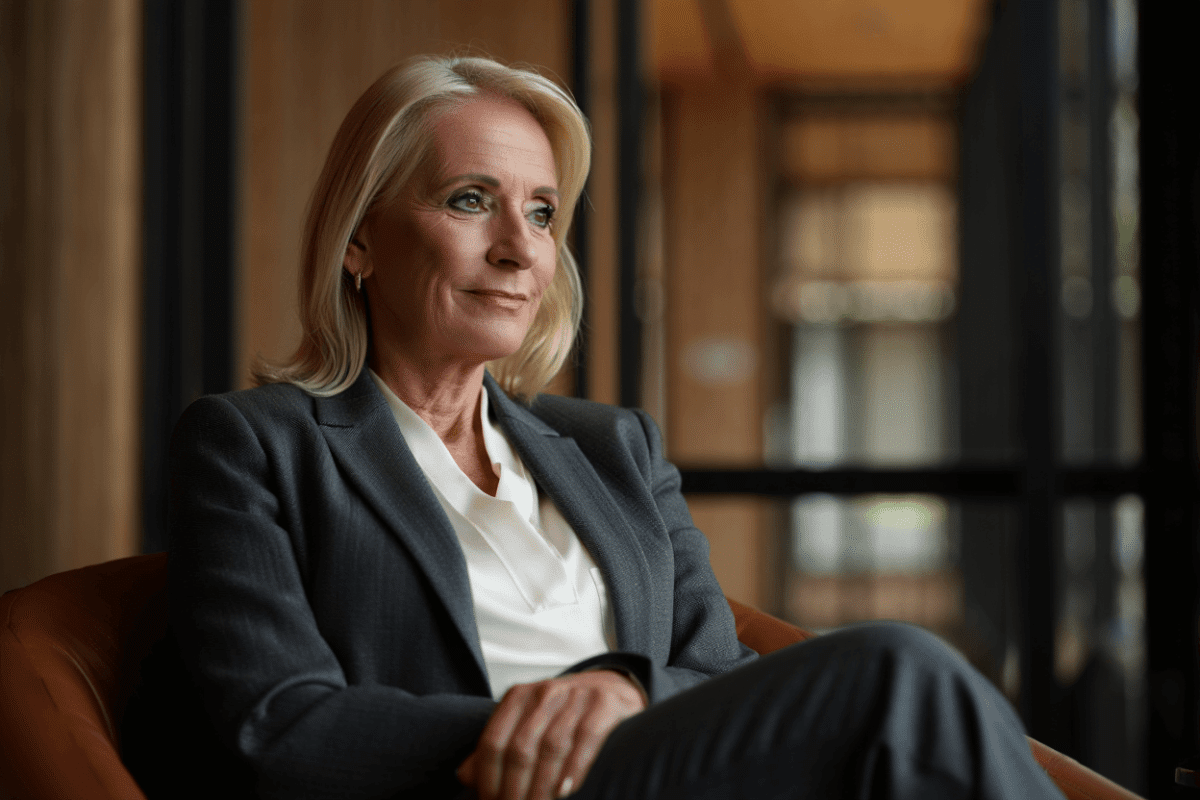
Jane Rosenthal reflected on the Tribeca Festival’s 25-year legacy during a special conversation with co-founder Robert De Niro in New York, marking a milestone moment for the world-class film institution. The May 2026 anniversary event highlighted how Rosenthal and De Niro built the festival from a post-9/11 vision to a global cultural powerhouse that has revitalized downtown Manhattan while showcasing groundbreaking cinema to international audiences year after year.
🔥 Quick Facts
- Tribeca Festival founded in 2001 by Jane Rosenthal, Robert De Niro, and Craig Hatkoff following the September 11 attacks
- Rosenthal born September 21, 1956 in Providence, Rhode Island; now co-founder, co-chair of Tribeca Enterprises board
- Festival celebrates 25 years June 3-14, 2026 with 118 feature films and expanded creative programming
- Rosenthal produced over 50 films including Oscar-nominated projects like The Irishman and Meet the Parents
- Festival now spans film, TV, podcasts, music, and immersive experiences across global media landscape
From 9/11 Recovery to Global Cultural Institution
When Jane Rosenthal and Robert De Niro founded the Tribeca Film Festival in 2001, lower Manhattan lay fractured by tragedy. The September 11 attacks had devastated the neighborhood’s economy and spirit, leaving a community desperate for renewal. Rather than simply commemorate loss, Rosenthal envisioned a festival that would harness cinema’s healing power to rebuild both the physical landscape and cultural identity of downtown New York.
The first Tribeca Festival in 2002 attracted 150,000 attendees and screened films that reflected diverse voices and untold stories. Rosenthal’s strategic vision paired world-class storytelling with community engagement, transforming the festival into an annual pilgrimage for filmmakers and cinephiles globally. The festival’s success proved that art and commerce could coexist to drive meaningful urban revitalization—a lesson that resonates across entertainment industry circles today.
Jane Rosenthal’s Track Record: From Producer to Visionary Leader
Rosenthal’s producing credentials span three decades, demonstrating consistent excellence across mainstream and prestige cinema. Before founding Tribeca Enterprises, she partnered with Robert De Niro to establish Tribeca Productions in 1988, launching a roster that would influence American filmmaking. Her productions include Wag the Dog (1997), Meet the Parents (2000), and The Good Shepherd (2006), each showcasing her gifts for identifying compelling narratives and cultivating A-list talent.
As co-founder and long-time CEO of Tribeca Enterprises, Rosenthal expanded the company beyond film into television, podcasting, music, and digital storytelling. Her leadership proved adaptive—during the 2020 pandemic, she pivoted the festival to a 10-day online experience in collaboration with YouTube and 21 international partners. This agility reflects Rosenthal’s commitment to preserving artistic voice while embracing technological innovation. In October 2025, she transitioned to co-chair of the board as Rebecca Glashow assumed CEO duties, allowing her to focus on strategic direction and cultural stewardship.
Festival Impact: Economic and Cultural Metrics
The Tribeca Festival’s 25-year run has generated measurable impact across New York’s creative ecosystem. The festival has established itself as one of the three most prestigious North American film festivals, alongside Sundance and a tier just below the Venice Biennale in international prestige. Consider these benchmarks:
| Metric | Details/Achievement |
| Annual Attendance | 250,000+ participants at screenings, panels, and public events |
| Films Premiered | Over 2,000 films across 25 years; many launched major directorial careers |
| 2026 Lineup Scale | 118 feature films selected from thousands of submissions |
| Economic Impact | Contributes $500M+ annually to NYC economy via hospitality, production, tourism |
| Global Reach | Now showcases stories from 80+ countries annually; expanded to TV, podcasts, immersive |
| Producer Accolades | Rosenthal nominated for Academy and Emmy awards across her producing career |
These metrics underscore how Rosenthal’s vision transcended filmmaking to become urban planning, economic stimulus, and cultural diplomacy. The festival’s survival and growth through industry disruption—streaming wars, pandemic shutdowns, theatrical decline—proves the resilience of her founding philosophy.
“The Tribeca Film Festival was born from tragedy, but it became a celebration of resilience. That’s what film can do—it heals communities and connects us across differences. Over 25 years, we’ve watched filmmakers use cinema to tell stories that matter, that challenge us, that change the way we see the world. This legacy belongs to the artists, the city, and everyone who believes that storytelling is essential.”
— According to festival messaging and Rosenthal’s public statements on the festival’s mission
The 2026 Milestone: What’s Next for Tribeca
The 25th anniversary edition (June 3-14, 2026) represents a turning point. Bruce Springsteen received the 2026 Harry Belafonte Voices for Social Justice Award, signaling the festival’s deepening commitment to storytelling with moral urgency. The 2026 juries and artist programs reflect record diversity, with emerging creators from Africa, Latin America, and Asia receiving significant platform support.
Rosenthal’s conversation with De Niro during this milestone also signals continuity within change. While new leadership has assumed operational roles, Rosenthal’s voice remains central to the festival’s strategic identity. Her emphasis on storytelling as activism, cinema as community healing, and artists as agents of cultural transformation now defines the organization’s trajectory as it enters its next quarter-century. The festival continues expanding into virtual reality, gaming narratives, and audio storytelling, proving Rosenthal’s original vision remains flexible enough to accommodate emerging media.
Why Rosenthal’s Leadership Model Still Matters
Jane Rosenthal’s 25-year stewardship of Tribeca teaches essential lessons about institutional leadership, artistic integrity, and social responsibility. She built the festival not by prioritizing celebrity or hype, but by centering filmmakers’ voices and audiences’ hunger for authentic stories. Her producing background meant she understood the filmmaker’s struggles firsthand—financing, development, distribution. That empathy shaped every festival decision.
In an era where cultural institutions face pressure to commercialize or abandon mission, Rosenthal’s model proves that artistic excellence and economic sustainability reinforce each other. The festival supports independent cinema while attracting studio premieres. It serves diverse viewers while maintaining critical credibility. It generates tourism while preserving neighborhood character. These balancing acts remain rare achievements in contemporary institutional leadership, making Rosenthal’s legacy particularly valuable as younger leaders take the helm.
What Will Define Tribeca’s Next 25 Years?
As Jane Rosenthal transitions to co-chair status, questions emerge about how the festival will evolve. Will Tribeca maintain its identity as a filmmaker’s festival amid streaming dominance? Can it balance global ambitions with its New York roots? How will emerging storytelling formats challenge its traditional feature-film centerpiece?
Rosenthal’s legacy answers these questions implicitly: flexibility paired with principle; community-first values paired with world-class standards. The festival survived 9/11’s immediate aftermath, the rise of digital cinema, theatrical disruption, and a global pandemic. Each challenge reshaped the festival without compromising its core mission—amplifying untold stories and rebuilding cultural spaces. If the next 25 years demand similar adaptability, the foundation Rosenthal built positions Tribeca to thrive.
Sources
- Tribeca Film Festival Press Release (May 7, 2026) — Official announcement of 25th anniversary programming and special conversation
- Variety.com (May 7, 2026) — Coverage of festival anniversary and co-founder reflections
- Billboard.com (May 8, 2026) — Festival founders reminisce on 25-year journey
- National September 11 Memorial & Museum — Biographical information on Rosenthal’s founding mission post-9/11
- Wikipedia: Jane Rosenthal — Comprehensive filmography and career timeline
- Deadline.com (October 2025) — Coverage of Rosenthal’s transition to co-chair status
- Child Mind Institute — Board membership and organizational leadership details