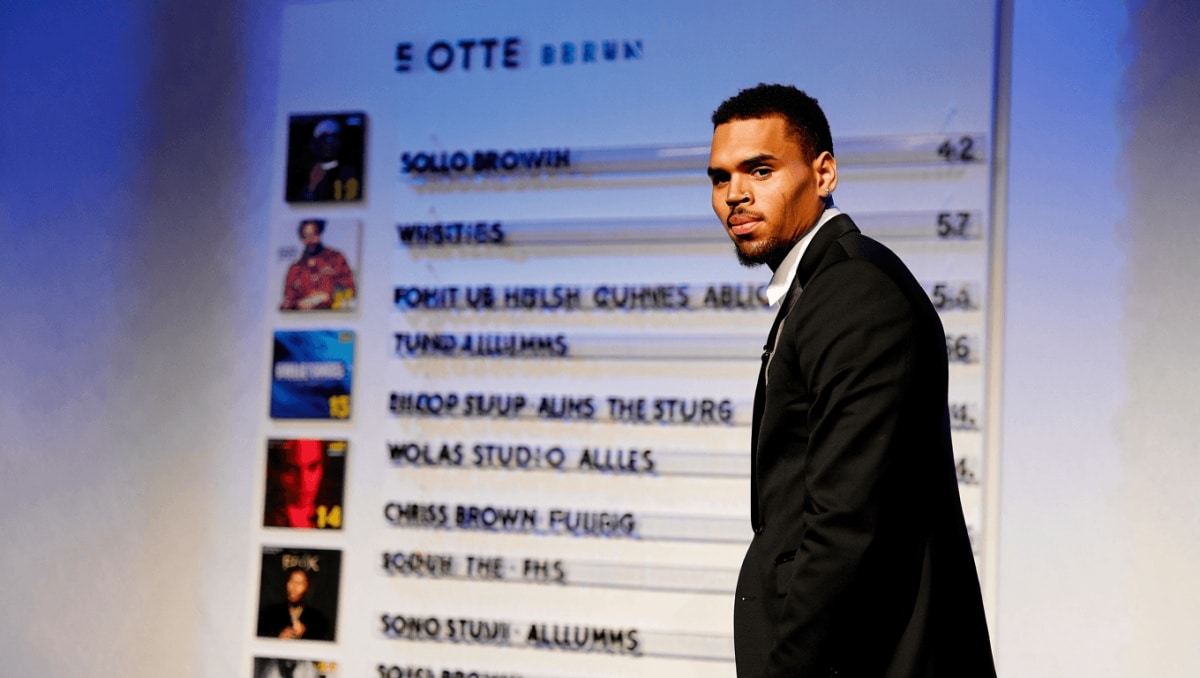
Chris Brown’s solo catalogue maps more than a decade and a half of mainstream R&B and pop, and critics still disagree about where each album stands. Below is a critics-centered ranking of his studio albums that weighs artistic risks, commercial impact, and how the records have held up since release.
| Rank | Album (Year) | Why critics placed it here |
|---|---|---|
| 10 | Graffiti (2009) | Stalled momentum and uneven execution; often cited as his weakest widely released studio record. |
| 9 | Fortune (2012) | Polished production but criticized for lacking cohesion and memorable songwriting. |
| 8 | Heartbreak on a Full Moon (2017) | Ambitious in scope but divisive because of its length and inconsistent focus. |
| 7 | Royalty (2015) | Pop-forward and glossy; praised for moments of warmth but seen as cautious overall. |
| 6 | X (2014) | Mixes commercial hits with artistic detours; some tracks stand out more than the album as a whole. |
| 5 | Chris Brown (2005) | A confident debut that introduced his talent and helped set contemporary R&B trends. |
| 4 | Indigo (2019) | Streaming-era juggernaut with a wide range of styles; critics praised its ambition despite uneven patches. |
| 3 | Exclusive (2007) | Timeless R&B-pop crossover songs and stronger songwriting mark this as an early creative high point. |
| 2 | Breezy (2022) | Seen by many reviewers as a mature, focused collection that refined his strengths without excess. |
| 1 | F.A.M.E. (2011) | Widest critical and commercial recognition; balances radio-ready hits with moments of genuine risk. |
What this ranking reflects for readers now: Chris Brown’s albums chart the shifting priorities of mainstream R&B — from tight, hit-focused records to the sprawling, streaming-era releases that test listeners’ attention. For fans, playlist curators, and culture reporters, those shifts matter because they shape how new R&B is produced and consumed.
Short takes on each album
Graffiti (2009) — Critics point to a drop in creative clarity. Several singles tried to chase different audiences and the record never coalesced into a distinct personality.
Fortune (2012) — Sleek and heavily produced, Fortune contains glossy pop moments but left some reviewers wanting a stronger artistic through-line.
Heartbreak on a Full Moon (2017) — An enormous double set that shows his range but also the risks of overextending: highlights are rewarding, but filler drags the pacing.
Royalty (2015) — Named for a personal milestone, Royalty mixes romantic balladry with club-ready tracks. Critics admired the restraint in parts but criticized safe choices elsewhere.
X (2014) — A mixed bag of high-energy singles and experimental detours. The production is bold at times, but the album’s identity feels split.
Chris Brown (2005) — The debut announced his skill set and gave him radio hits that cemented his place in mid-2000s R&B; it remains one of his most cohesive early statements.
Indigo (2019) — Ambitious and eclectic; Indigo leaned into collaborations and streaming-era strategies. Critics generally praised its moments of reinvention even when the album felt overlong.
Exclusive (2007) — Often cited as one of his best early efforts for smart songwriting and strong singles that balanced youthful swagger with melodic craft.
Breezy (2022) — Critics saw Breezy as a refined, confident effort that showcased better curation and a sense of artistic direction after years of stylistic experimentation.
F.A.M.E. (2011) — Frequently considered his artistic peak, this record fused commercial appeal with creative risks and produced some of his most talked-about hits.
- Critics measure Chris Brown’s albums on a mix of songcraft, production, and cultural impact rather than sales alone.
- Streaming has reshaped how later albums are structured; length and features now play a strategic role in chart performance.
- Perception changes over time: albums once dismissed have been reevaluated, and vice versa — context matters when judging a catalog.
If you’re new to his discography, start with the top-tier records here to understand why critics single them out, then explore the middle entries for moments that reveal his range. For journalists and playlist-makers, these rankings offer a shorthand for Chris Brown’s evolving place in R&B — one shaped by commercial pressures, personal milestones, and a willingness to experiment.