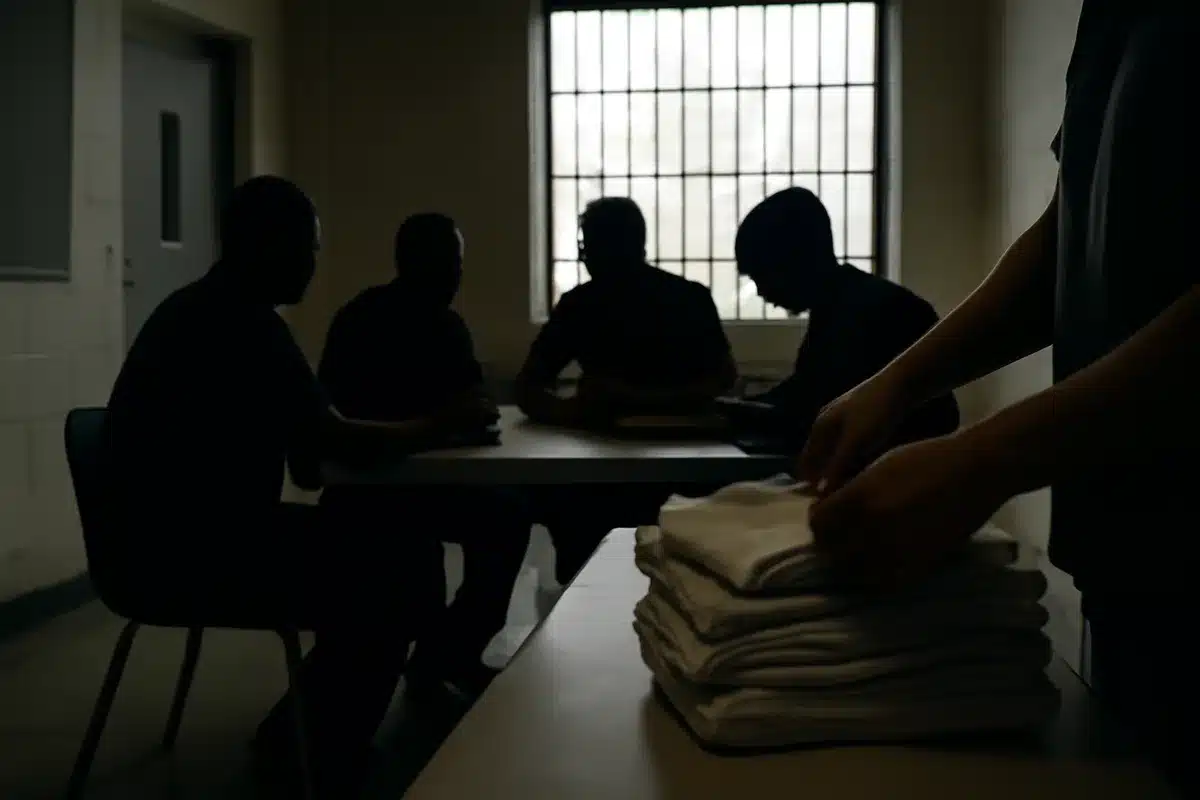
Netflix’s “The Crash” premiered on May 15, 2026, and quickly became the streaming platform’s top true-crime documentary. The 93-minute film examines the July 31, 2022 case of Mackenzie Shirilla, a then-17-year-old who drove her vehicle into a brick wall at 100 miles per hour in Strongsville, Ohio, killing passengers Dominic Russo (age 20) and Davion Flanagan (age 19). The documentary marks Shirilla’s first prison interview since her conviction and has generated substantial debate around intent, accountability, and justice.
🔥 Quick Facts
- “The Crash” streamed globally starting May 15, 2026
- Shirilla was 17 at the time of the crash; now 21 and serving 15-to-life sentence
- Vehicle struck brick wall at 100 mph with two passengers inside
- Documentary directed by Gareth Johnson; produced by RAW and executive produced by Rebecca Chaiklin
- Became Netflix’s No. 1 true crime title within days of release
How Ohio’s Most Debated Case Became Netflix’s Instant Hit
The Strongsville crash case spent years circulating in true-crime forums and Reddit communities before Netflix brought it to mainstream audiences. Unlike conventional true-crime narratives that present a clear villain and victim, “The Crash” deliberately complicates this framework. The documentary presents Shirilla’s own account alongside forensic evidence, victim family perspectives, and legal proceedings. This complexity—rather than sensational storytelling—appears to be driving viewer engagement. By May 18, 2026, the film had claimed the platform’s No. 1 position in the United States.
Director Gareth Johnson’s approach prioritizes context over drama. The documentary reconstructs the events leading up to July 31, 2022, including Shirilla’s relationship dynamics, mental state indicators, and the specific circumstances that preceded the collision. This documentary examines a case that defied easy moral judgment, presenting viewers with evidence and allowing them to form conclusions rather than directing emotional response.
The Case Details: What the Documentary Reveals
In July 2022, Shirilla accelerated her Toyota Camry toward a brick building in an industrial area of Strongsville. Passengers Dominic Russo and Davion Flanagan were both killed on impact. Shirilla survived with non-fatal injuries. Prosecutors charged her with two counts of murder, arguing the crash was intentional. The defense countered that it was an accident. In July 2023, a jury found her guilty. By August 2023, she received a sentence of 15 years to life, with parole eligibility after 15 years.
The documentary’s critical contribution lies in presenting verified evidence chronologically. Footage, text messages, witness statements, and audio recordings create a timeline that viewers experience themselves. Shirilla’s 21-year-old self, now imprisoned, states directly: “I’m not a murderer.” She maintains the crash was accidental, though prosecutors presented evidence suggesting premeditation—including location changes tracked on life360 and behavioral patterns weeks prior.
Documentary Evidence and Expert Analysis
Netflix’s production includes forensic analysis, police reports, and expert commentary that establish the factual foundation. The documentary confirmed several verified details:
| Element | Verified Detail |
| Crash Date | July 31, 2022 |
| Location | Industrial area, Strongsville, Ohio |
| Vehicle Speed | Approximately 100 mph at impact |
| Victims | Dominic Russo (20), Davion Flanagan (19) |
| Shirilla’s Age at Incident | 17 years old |
| Conviction Date | July 2023 (two counts of murder) |
| Sentencing | August 2023: 15 years to life with parole eligibility |
| Shirilla’s Current Status | Age 21, incarcerated in Ohio prison |
The documentary’s strength lies in its refusal to oversimplify. Rather than a narrative arc with clear resolution, viewers encounter conflicting evidence and expert interpretations. This ambiguity—whether intentional or accidental—has become the central point of viewer debate across social media platforms and streaming communities.
“The Crash is a riveting, provocative true-crime documentary that reconstructs the events before and after a fatal collision. It pairs firsthand accounts with case evidence to examine how what seemed to be a tragic accident became a murder case—and why not everyone agrees with that conclusion.”
— Netflix Tudum, Official Documentary Description
Why “The Crash” Differs from Traditional True-Crime Format
Streaming true-crime documentaries typically employ narrative framing that guides viewers toward a predetermined conclusion. “The Crash” adopts a different strategy. Director Johnson presents evidence clusters and allows ambiguity to persist. This approach has proven effective with audiences who are increasingly skeptical of heavily edited documentary storytelling. The 6.7/10 IMDb rating reflects this complexity—viewers appreciate the depth but grapple with the inconclusive nature of the case presentation.
Notably, the documentary’s release triggered renewed discussion about Shirilla’s conviction itself. Some true-crime analysts questioned specific prosecutorial claims, while others emphasized the severity of driving at 100 mph into a structure, arguing intent becomes secondary to the catastrophic outcome. This disagreement exists among professional legal commentators, not merely casual viewers.
The documentary also includes perspectives from victims’ families and Shirilla’s own family members. These accounts add emotional depth without sensationalizing tragedy. Legal experts commentating within the film provide context about Ohio’s murder statutes and how circumstantial evidence was weighed during trial.
Broader Implications for True-Crime Streaming and Accountability
“The Crash”-style documentaries reflect a shift in how streaming platforms approach the true-crime genre. Rather than creating villains for entertainment, producers are increasingly examining systems—legal, investigative, familial—that produce tragic outcomes. This approach serves viewers interested in understanding complex social dynamics rather than consuming morality tales.
The documentary’s success also highlights audience exhaustion with conventional true-crime narrative. Viewers increasingly seek primary sources, unedited interviews, and space for their own analysis. By presenting Shirilla’s prison interview—her first public statement since conviction—Netflix positioned the documentary as newsworthy rather than purely entertainment-focused.
Additionally, the case raises questions about juvenile sentencing, the permanence of criminal records in the digital age, and how social media documentation influences legal proceedings. These deeper questions resonate with audiences beyond typical true-crime demographic consumption patterns.
What Happens Next: Appeal Status and Future Legal Proceedings
Shirilla’s legal journey did not conclude with sentencing. In March 2026, an Ohio appeals court rejected her appeal after it was filed one day late—a procedural decision that prevented the court from reviewing substantive claims. This timing coincides with growing public discussion about her case, potentially influenced by Netflix’s production schedule and global release timing.
With parole eligibility beginning at 15 years, Shirilla could face a release review around 2038. How the documentary impacts future parole board considerations remains unclear, though increased public familiarity with the case could shape decision-making processes at that point.
The documentary’s impact on victim families also warrants consideration. Russo and Flanagan’s families participated in the production, giving perspectives on grieving process and living with permanent loss. These voices anchor the narrative in genuine human consequence rather than abstract legal procedure.
Why This Case Continues to Divide True-Crime Audiences
“The Crash” succeeds because it refuses definitive answers. The central question—was this intentional or accidental?—cannot be resolved through documentary format. A jury determined guilt beyond reasonable doubt. The documentary presents that verdict alongside alternative interpretations supported by evidence subsets. This intellectual honesty distinguishes it from true-crime productions that manufacture certainty around ambiguous situations.
As streaming platforms continue acquiring true-crime properties, format innovations like “The Crash” suggest audiences reward complexity over sensationalism. The documentary’s rapid ascent to the platform’s No. 1 position indicates that viewers will engage deeply with unresolved moral questions when presented evidence-first rather than emotion-first.
Sources
- Netflix Tudum – Official documentary description and production details
- Wikipedia (Murder of Dominic Russo and Davion Flanagan) – Verified case timeline and conviction details
- NBC News – Reporting on sentencing and current incarceration status
- IMDB – Documentary rating and viewer reception data
- Court TV / Ohio Supreme Court – Legal proceedings and appeal information
- Time Magazine – Analysis of the underlying case and prosecution evidence