On the night of April 23, 2026, Jimmy Kimmel staged a pointed, late‑night version of the White House Correspondents’ Dinner — one built as a deliberate rebuttal after the official event moved away from comedian hosts. The segment underscored a widening rift between the White House and late‑night television, and signaled that late‑night hosts remain prepared to lampoon the president outside traditional forums.
Kimmel’s alternative: a roast with a political edge
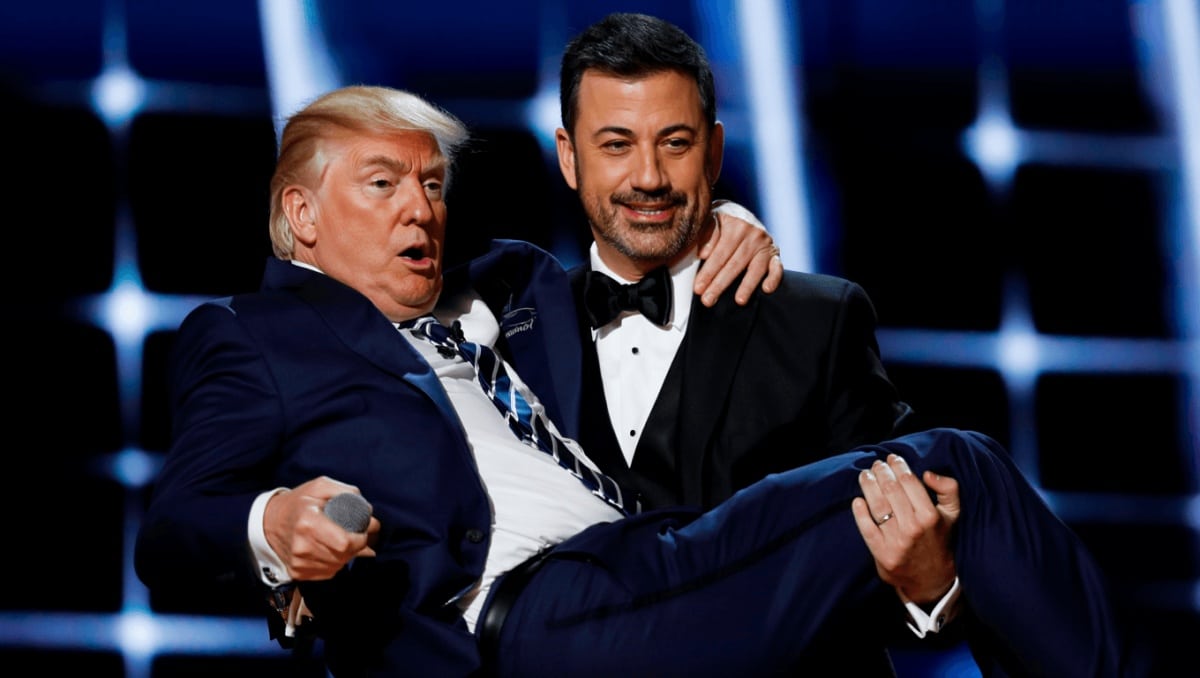
Broadcast during an episode of “Jimmy Kimmel Live!”, the mock dinner recreated the familiar pageantry of the annual media event but swapped the customary on‑stage comedy set for a sustained roast of President Donald Trump and his circle. Kimmel used the platform to skewer the president’s sensitivity to criticism, lampoon policy moves on energy, and circle back to ties to the late financier Jeffrey Epstein.
Rather than offering a sequence of gentle jabs, Kimmel’s tone was pointed and personal, mixing archival clips with new material aimed at both the president and his allies. The performance included layered references to recent controversies and the broader culture wars that have made the correspondents’ dinner a flashpoint in recent years.
- Date: April 23, 2026 (aired on “Jimmy Kimmel Live!”)
- Context: This year’s official White House Correspondents’ Dinner will not feature a traditional stand‑up comedian; entertainer Oz Pearlman is listed as the host for the president’s appearance.
- Targets: President Trump, energy policy shifts, the administration’s relationship with media and science, and ties to Jeffrey Epstein.
- Significance: Late‑night hosts like Kimmel, Seth Meyers and Stephen Colbert have escalated public critique of the administration, using alternative platforms when the official stage is closed to them.
Highlights from the segment
Kimmel opened with a staged welcome to the “guests” and repeatedly emphasized the president’s aversion to ridicule — an idea he turned into the night’s running gag. He contrasted the formal trappings of the event with his barbed asides about policy and personal scandals, at one point referencing the president’s record on energy and quipping about the administration’s approach to science and public health.
Midway through, the routine shifted toward more serious territory as Kimmel brought up the Epstein case while noting longstanding associations that, he implied, remain politically and culturally resonant. Clips of the president and other public figures were intercut with the monologue, amplifying the satirical effect.
What this means going forward
The move by Kimmel to stage an “alternative” correspondents’ dinner is notable for a few reasons. First, it demonstrates how late‑night television continues to function as an outlet for political satire when traditional institutions change course. Second, it highlights an ongoing choice by the White House this year to replace a comedian host with a performer from outside the comedy circuit, a decision that has drawn public comment from multiple hosts.
There are practical consequences: the public still expects a comedic dimension to the correspondents’ dinner, and when the formal event narrows that element, late‑night shows may increasingly fill the gap—turning monologues and sketches into parallel civic commentary.
Where tradition meets tension
Historically, presidents have sometimes joined in the joke — names such as Barack Obama, Ronald Reagan and Joe Biden are often recalled for their onstage levity at past dinners. This year’s arrangement, with a mentalist rather than a comedian in the spotlight, breaks with that expectation and amplifies the sense of partisan theater surrounding the event.
Late‑night hosts’ willingness to marshal their audiences outside the dinner’s ballroom speaks to a broader trend: when institutional routines shift, cultural actors find new ways to keep public rituals alive — and to keep accountability in view.
Kimmel’s segment — and the ongoing back‑and‑forth between the White House and late‑night television — will likely shape public debate about the role of satire in political life as the official correspondents’ dinner unfolds this year.