Show summary Hide summary
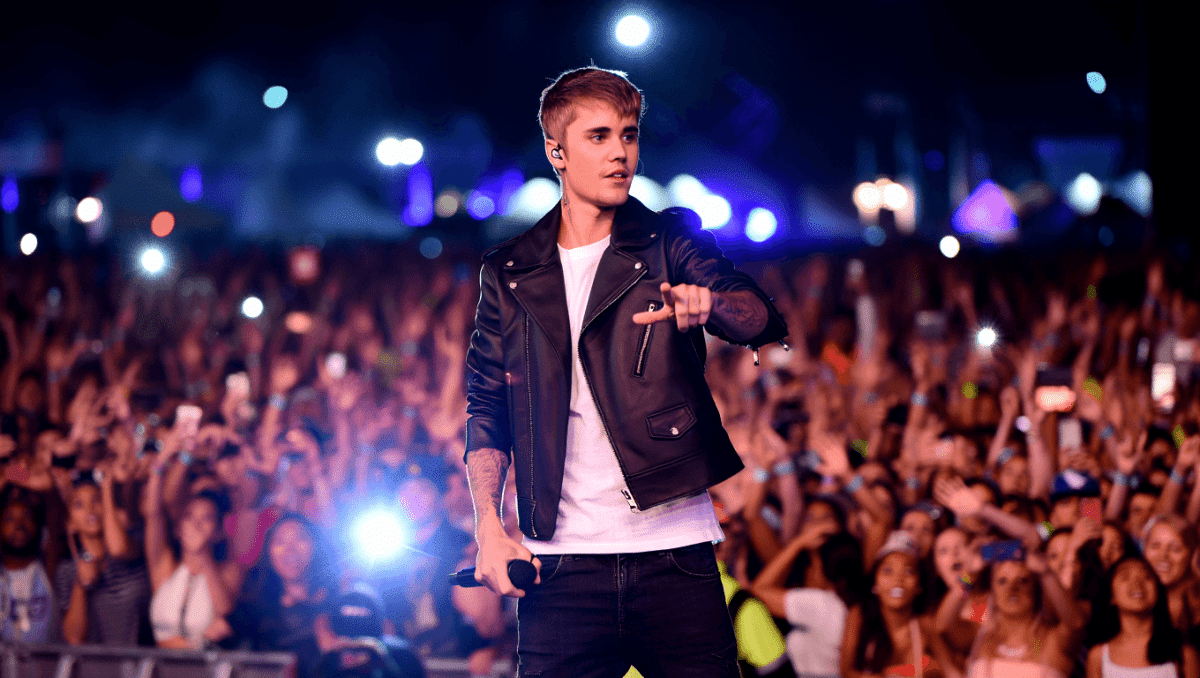
Justin Bieber just shattered Coachella records in ways nobody anticipated. His fashion brand Skylrk generated a staggering $5.04 million in merchandise sales during weekend one alone. This explosive debut leaves the festival’s previous benchmark in the dust.
🔥 Quick Facts
- Merchandise Revenue: $5.04 million in weekend one sales from Skylrk brand
- Previous Record: The festival’s old benchmark was only $1.7 million across both weekends
- Performance Dates: April 11 and 18, 2026 at the Empire Polo Club in Indio, California
- Artist Compensation: $10 million total fee, making Bieber the highest-paid performer in festival history
How Skylrk Became an Unstoppable Merchandise Machine
Skylrk, Bieber’s fashion label launched officially in July 2025, transformed weekend one into a retail phenomenon. The brand dropped exclusive Coachella-branded apparel, limited-edition items, and performance merchandise that resonated with his massive fanbase. Fans camped outside merchandise tents, creating lines that snaked across the venue.
The brand’s success reflects Bieber’s dominance in artist-driven commerce. His loyal followers, spanning Gen Z and millennial demographics, view Coachella merch as collectible pieces tied to a cultural moment. Each purchase represented more than clothing, it symbolized their connection to the pop icon at one of America’s most prestigious music festivals.
Justin Bieber Coachella merch breaks records with $5M sales in weekend one
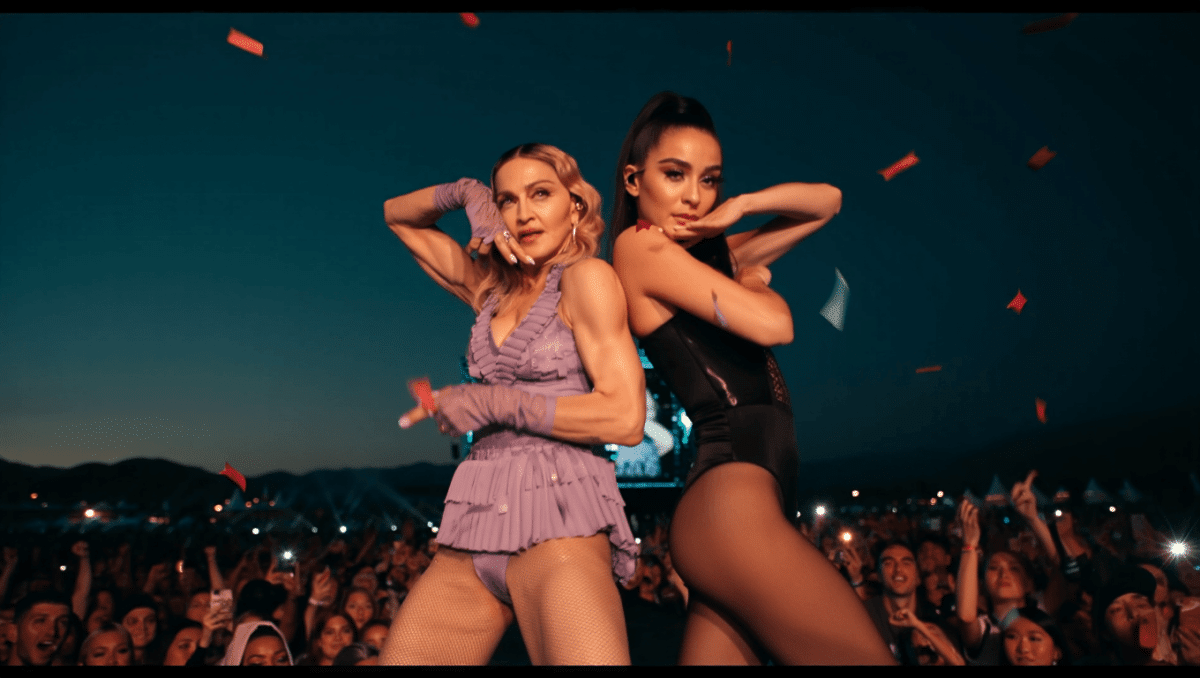
Coachella schedule shows Madonna’s surprise appearance, expects more guest reveals each night
Breaking the Festival’s All-Time Merchandise Records
The $5.04 million figure represents a watershed moment for Coachella. The previous record, held across two full weekends, totaled just $1.7 million. Bieber tripled that benchmark in seven days, proving that artist-driven merchandise can rival headlining performance fees.
Industry analysts cite several factors behind this explosion. The scarcity model, limited inventory, and exclusive weekend-one drops created urgency among collectors. Digital integration, with early online sales windows, also expanded the purchasing opportunities beyond festival gates.
The Coachella Merchandise Landscape
| Metric | Details |
| Previous Record | $1.7 million (two weekends combined) |
| Bieber Record | $5.04 million (weekend one only) |
| Growth Multiple | Nearly 3x the prior benchmark |
| Projected Total | $10+ million potential (both weekends) |
“Justin Bieber’s brand Skylrk generated $5.04 million in merchandise sales during Coachella’s first weekend alone. That figure surpassed the festival’s previous two-weekend record, beating the original benchmark nearly three times over.”
— TheStreet, Entertainment Retail Coverage
What’s Driving Fan Spending to Historic Levels
Bieber’s merchandise success stems from multiple converging factors. His hiatus comeback narrative created emotional investment among followers who hadn’t seen him perform live at a major festival in years. The Coachella stage represented vindication, redemption, and a full-circle moment for his career trajectory.
Additionally, Skylrk adopts a premium positioning strategy. Pricing reflects high-end fashion curation rather than typical festival markup items. Fans perceive purchases as investments in wearable art, not disposable merchandise. The limited-quantity drops fuel collector mentality, where scarcity drives demand and resale value.
What Happens Next for Artist Merchandise at Major Festivals?
Will other artists attempt to replicate Bieber’s merchandise juggernaut? The $5 million achievement raises questions about franchise models in live entertainment. Festivals now recognize that merchandise can rival headline revenue, prompting negotiation strategies that prioritize brand partnerships. Industry observers expect competing artists to invest more heavily in exclusive product launches at upcoming performances.
The broader implication signals a shift in how celebrities monetize their fan relationships. Direct-to-consumer merchandise, especially at high-profile events, generates revenue that bypasses traditional retail intermediaries. Coachella 2026 may become a turning point where artist commerce becomes as important as the concert experience itself.