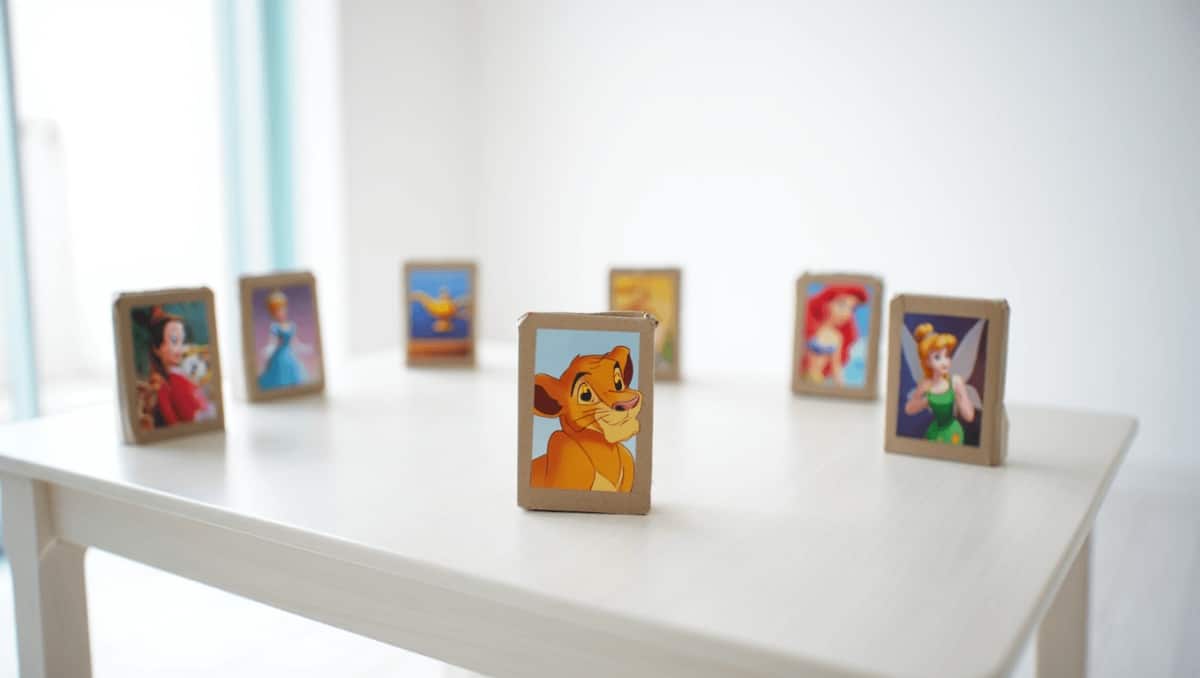
A new kind of nostalgia test is sweeping social feeds: blurred-photo challenges that ask players to name classic Disney films from heavily obscured stills. These puzzles look simple at first glance, but they quickly reveal how visual memory, context clues and a few cinematic instincts can turn a guess into a correct title.
Why the blur trick works — and why it matters now
Blurred-image quizzes have gained traction this year as short-form platforms favor quick, shareable formats that spark conversation. For readers, the appeal is immediate: a rapid-fire nostalgia hit that’s easy to join from your phone and fun to compare with friends.
Beyond entertainment, these challenges are a small window into how we recognize movies: color palettes, silhouette shapes, and familiar compositions often carry more weight than detailed facial features. That makes the trend useful for casual fans and for anyone studying how visual cues trigger memory.
How to beat the blurred Disney movie quiz
Most successful guessers don’t rely on private knowledge alone; they use patterns. Here are practical tactics to improve your accuracy.
- Scan for distinctive color schemes: a warm sunset palette may point to a seaside tale, while icy blues suggest an arctic setting.
- Look at silhouettes: animal outlines, costume shapes or iconic props can be decisive. Even faint curves may reveal a recognizable character pose.
- Check composition: wide panoramic frames often indicate landscape-centric stories, while tight, centered shots usually highlight a protagonist.
- Use process of elimination: rule out films whose era, animation style or known scenes don’t match the blur’s texture.
- Compare with memory, not search engines: rapid recognition is the point—pausing to scour the web removes the challenge.
These tips apply whether you’re facing a slightly smeared screenshot or an image pushed through several filters.
Read the blur: a quick reference table
| Blur level | Key visual clues | Likely film elements to check |
|---|---|---|
| Low (mild softening) | Colors and shapes mostly intact | Costume details, background landmarks, character posture |
| Medium (noticeable smudging) | Edges softened; color blocks more visible than lines | Color palette, horizon lines, large props or animals |
| High (severe blur) | Only broad shapes and dominant colors remain | Silhouettes, scene composition, signature color combos |
Not every still will give away the answer. Some frames are intentionally chosen to hide faces and force you to rely on background elements or mood instead.
Where these quizzes live and how communities form around them
You’ll find blurred-movie challenges across social apps, fan forums and news sites that package them as light quizzes. Players often tag friends, trade hints and create lists of the trickiest frames. That social element is part of the format’s staying power: it turns passive viewers into active participants.
Newsrooms and moderators keep these posts kid-friendly by avoiding spoilers and by letting users opt in to difficulty levels. For publishers, the format generates comments and repeat visits—both signals Google Discover and Google News reward when content is timely and engaging.
What you gain from playing
Besides being a quick, low-stakes diversion, the game sharpens observation and recall. Educators point out that visual puzzles can help with attention and pattern recognition, while casual players enjoy the shared nostalgia factor.
Whether you play alone to test your memory or compete with friends, the challenge is about more than naming a movie—it’s about spotting the small visual cues that make a film familiar.
If you want to try one now, look for recent quizzes on social platforms or entertainment sites that explicitly label difficulty and avoid spoilers. Try a round, note which clues helped you most, and share your score with friends—it’s a modern twist on movie trivia that rewards close looking more than encyclopedic knowledge.