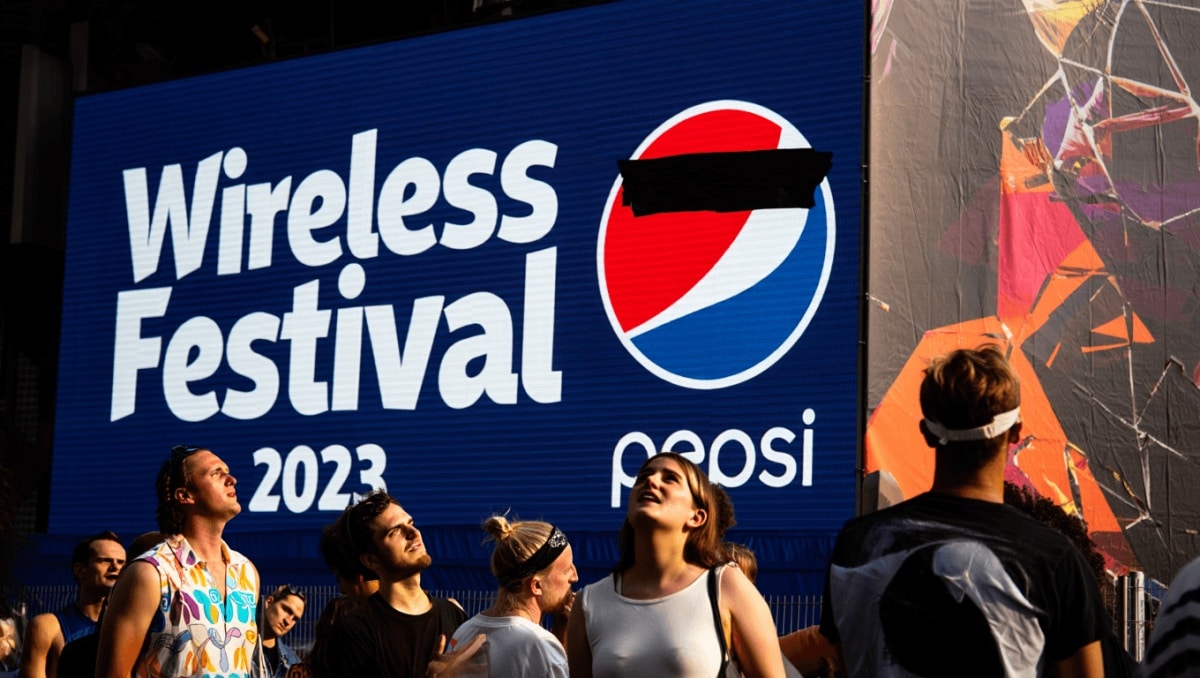
Pepsi has withdrawn its sponsorship from the Wireless Festival in London after the event’s decision to book Ye — the artist formerly known as Kanye West — reignited widespread criticism over his history of antisemitic statements and a recent song praising Hitler. The move underscores growing pressure on brands and festivals to distance themselves from performers whose actions prompt public outcry and political concern.
Festival organizers had billed Ye’s appearance as a major return to the U.K.; Wireless is scheduled for July 10–12 at Finsbury Park. But the announcement prompted a cascade of responses from corporate partners, political leaders and advocacy groups, turning what would normally be a commercial relationship into a high-stakes reputational issue.
Why sponsors pulled back
Pepsi’s decision follows a pattern set in 2022, when several major companies severed ties with Ye after a series of antisemitic comments. Critics said the booking ignored that history and flagged a 2025 release that included a track titled “Heil Hitler,” which intensified calls for sponsors to step away.
Brands increasingly weigh not only contractual terms but also public reaction. For many sponsors, continued association with Ye presented a risk to sales, employee sentiment and wider brand standing — particularly in markets where antisemitism and hate speech are front-and-center public concerns.
Political and legal pressure
U.K. Prime Minister Keir Starmer publicly criticized the festival’s decision, saying the appointment was “deeply concerning” given Ye’s past remarks and references to Nazism. The government has legal powers to deny entry to non-citizens whose presence would be “not conducive to the public good,” a route officials and commentators have suggested could be used if tensions escalate.
Other countries have already acted: Australia, for example, has moved previously to revoke Ye’s visa over material officials said promoted Nazism, showing how immigration and public-order rules can intersect with entertainment bookings.
Artist response and reactions
Ye has sought to respond to the backlash. In January he placed a full-page apology in the Wall Street Journal, saying he had struggled with bipolar disorder and expressing regret for past statements. Advocacy groups such as the Anti-Defamation League said any apology does not erase a long record of antisemitic actions and content.
On stage, Ye returned to live performance in the U.S. on April 1 at SoFi Stadium and released an album titled Bully on March 28, moves that critics and fans saw as an attempt to rehabilitate his public profile.
What this means for festivals and fans
- Sponsors: Corporations will likely demand stronger vetting and opt-out clauses to avoid reputational fallout.
- Organizers: Promoters may face pressure to weigh commercial draws against community standards and safety concerns.
- Government: Authorities can be pushed toward intervention when public safety or social cohesion is cited.
- Attendees: Fans and local communities may see increased protests or security measures at events.
- Artists: High-profile acts may find bookings scrutinized beyond ticket sales and chart performance.
The Wireless booking shows how a single programming decision can trigger a complex chain of consequences: lost sponsorship money, heightened political scrutiny and public debate about platforming controversial figures. For festival-goers and sponsors alike, the incident raises immediate questions about who gets a stage and on what terms.
Festival organizers now face a choice: rebook the headliner and absorb the fallout, seek alternative acts and partners, or engage with authorities if the government chooses to intervene. Whatever path they take will likely be watched closely by the live-music industry, which is navigating tighter public and commercial expectations following repeated high-profile controversies.
Contributing reporting by Anthony Robledo and Anna Kaufman.