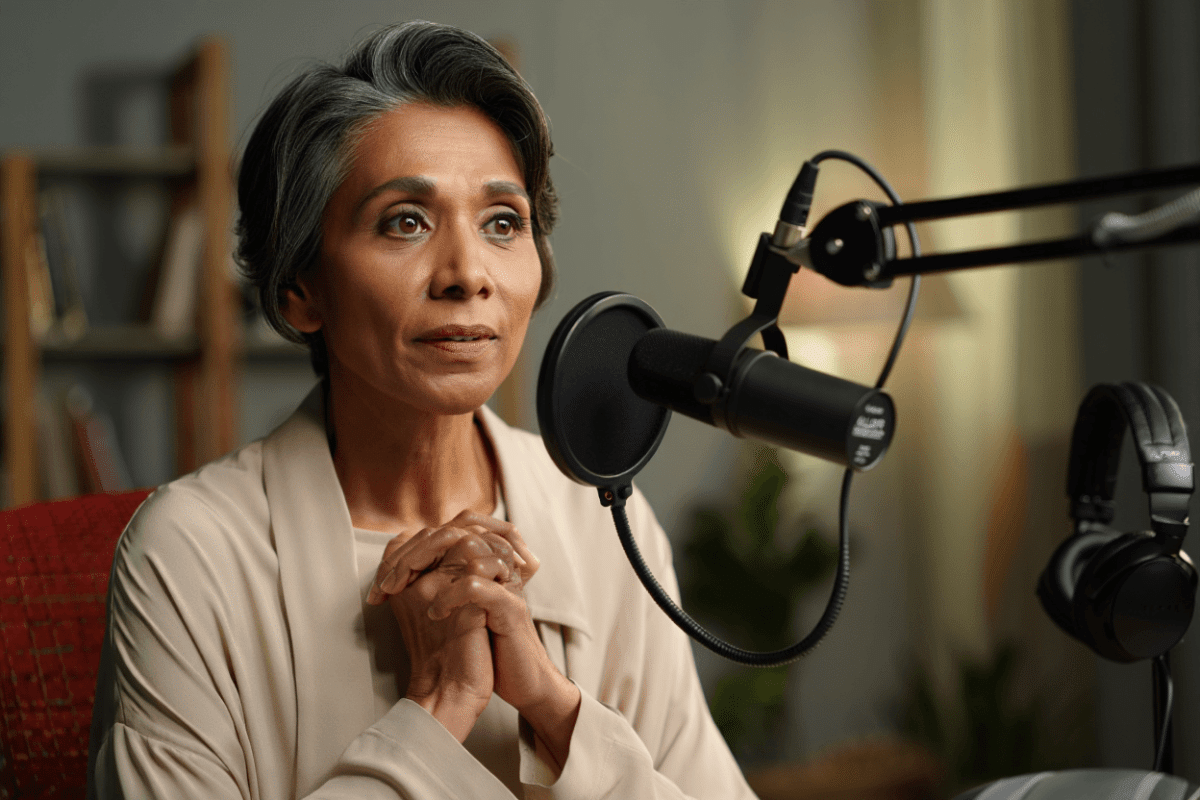
Sasha Obama was just 7 years old when her family moved into the White House in January 2009, becoming one of the youngest residents in decades. On May 19, 2026, her mother Michelle Obama revealed the behind-the-scenes challenges of raising children in that unique environment, speaking candidly on Keke Palmer’s podcast about what she called the “crazy” scheduling pressures that forced her to advocate fiercely for her daughters’ wellbeing and developmental needs.
🔥 Quick Facts
- Sasha Obama was age 7 when entering the White House in 2009
- Malia Obama was age 10 when she became a First Daughter
- Michelle Obama’s podcast appearance: May 19, 2026 on “Baby, This is Keke Palmer”
- Key policy change: Michelle banned scheduling daughters immediately after long flights
The Russia Trip That Changed Everything
Michelle Obama pinpointed a specific moment when she realized the White House operation wasn’t properly calibrated for children’s needs. During the family’s first official trip to Russia, the daughters were scheduled to perform public duties immediately upon arrival despite severe jet lag.
Sasha and Malia had slept only 3 hours during the flight. Upon landing, they were required to greet Russian officials, ride in limousines to the Kremlin, and participate in formal diplomatic events. Malia’s distress was immediate: “I’ve never felt this bad in my whole life,” she told her mother. Michelle recognized this wasn’t emotional vulnerability—it was severe jet lag impacting functioning pre-teens.
“That’s jet lag,” Michelle recalled telling her daughter, then taking decisive action with presidential staff. “After that trip, we told our team, ‘Don’t ever do that.'”
Advocating Against ‘Crazy’ Schedules
Michelle Obama fundamentally restructured how the White House managed her children’s calendars. She implemented a clear rule: no work obligations after long-haul flights. Instead, daughters would travel separately to hotels for rest before any public-facing activities resumed.
The former First Lady faced resistance from well-intentioned but childless staff in their 20s and 30s who didn’t understand developmental realities. “Long, messy conversations” were required to establish that children’s brains function differently than adults’ at different ages—a distinction that affected everything from sleep schedules to Secret Service protocols.
As Sasha and Malia entered their teenage years, new scheduling complications emerged. “It’s a teenage schedule, and it’s kind of chaotic,” Michelle explained, describing her decision to allow her daughters normal social lives (Saturday nights out with friends) despite security complexity. “My kids are not going to be forced to do that in their developmental years. They need to learn to live life.”
Maintaining Normalcy: Specific Strategies
Michelle Obama implemented practical rules to preserve childhood despite extraordinary circumstances. School was non-negotiable: no missed classes for White House events. Travel was restricted to breaks: summers only, spring breaks when not at camp. Friends were encouraged and welcomed—sleepovers and bar mitzvahs continued despite the unique address.
The goal wasn’t to pretend life was ordinary. Rather, it was ensuring that daily developmental needs—education, peer relationships, age-appropriate rest—superseded ceremonial demands. “The goal was to make their lives as normal as possible,” Michelle said, emphasizing that this required constant pushback against institutional expectations.
Even inviting classmates to the White House itself required adjustment for the girls, though it became a tool for maintaining authentic friendships. Rather than isolate her children or allow the residence’s formal character to dominate their experience, Michelle created space for typical adolescent behavior.
The Cost of Institutional Inflexibility
| White House Challenge | Michelle’s Solution | Impact |
| Immediate duties after flights | Separate hotel transport & rest periods | Better daughter health, reduced stress |
| Jet lag impact on children | No public events post-arrival | Children functioning normally |
| Secret Service shift changes | Adapted protocols for teen social life | Security maintained, normalcy preserved |
| Staff unfamiliar with children | Direct education on developmental needs | Better institutional understanding |
| Pressure to perform constantly | School & personal time prioritized | Daughters developed normally |
Michelle’s advocacy revealed a structural problem: prestigious institutions often lack expertise in age-appropriate child development. “You have to teach people what your rules are,” she noted, acknowledging this required persistence and authority wielding. “That takes a minute, but we did it at a high level.”
“They could never miss school or something that they had to do for school because something cool was happening right at the White House…They only traveled with us on their breaks—so summers, and there’s spring break when they weren’t at camp—so the goal was to make their lives as normal as possible.”
— Michelle Obama, Former First Lady, “Baby, This is Keke Palmer” podcast (May 19, 2026)
Lessons for High-Pressure Parenting
Michelle Obama’s experience offers insight beyond presidential politics. Her insistence that developmental needs supersede institutional demands applies to any high-pressure family situation—whether diplomatic service, executive roles, or professional travel.
She openly discussed requiring “a clear schedule” for her own functioning but refusing to impose that constraint on her children. This distinction—between adult career requirements and child developmental requirements—was foundational to her parenting philosophy in the White House.
The former First Lady also acknowledged that advocacy required practice and voice-finding. Early pressures were harder to resist. Over time, as she established authority and clarity about non-negotiables, the White House adapted. “You have to teach people what your rules are,” she said, emphasizing that this isn’t aggressive—it’s essential parenting in any demanding environment.
What This Reveals About White House Operations
Michelle’s candid discussion illuminates how institutional routines often override individual needs, even regarding children. The White House, despite its resources, initially lacked protocols proper for young residents’ sleep cycles, recovery time, and social development.
Her intervention created precedent. Future First Families now have examples of successful boundary-setting around children’s schedules. Sasha and Malia became case studies in what normal childhood looks like within extraordinary circumstances—and that required their mother’s persistent, unapologetic advocacy.
The February 2026 podcast revelation resonates because Michelle frames parenting not as accommodation to institutional demands, but as active resistance when necessary. This model challenges the assumption that public service requires sacrificing children’s wellbeing on the altar of protocol.
Sources
- USA TODAY – “Michelle Obama recalls the ‘crazy’ part of Sasha and Malia’s lives” (May 19, 2026)
- “Baby, This is Keke Palmer” Podcast – Michelle Obama interview (May 19, 2026)
- PBS NewsHour – Historical context on First Daughters in the White House
- White House Archives – Obama family life documentation (2009-2017)