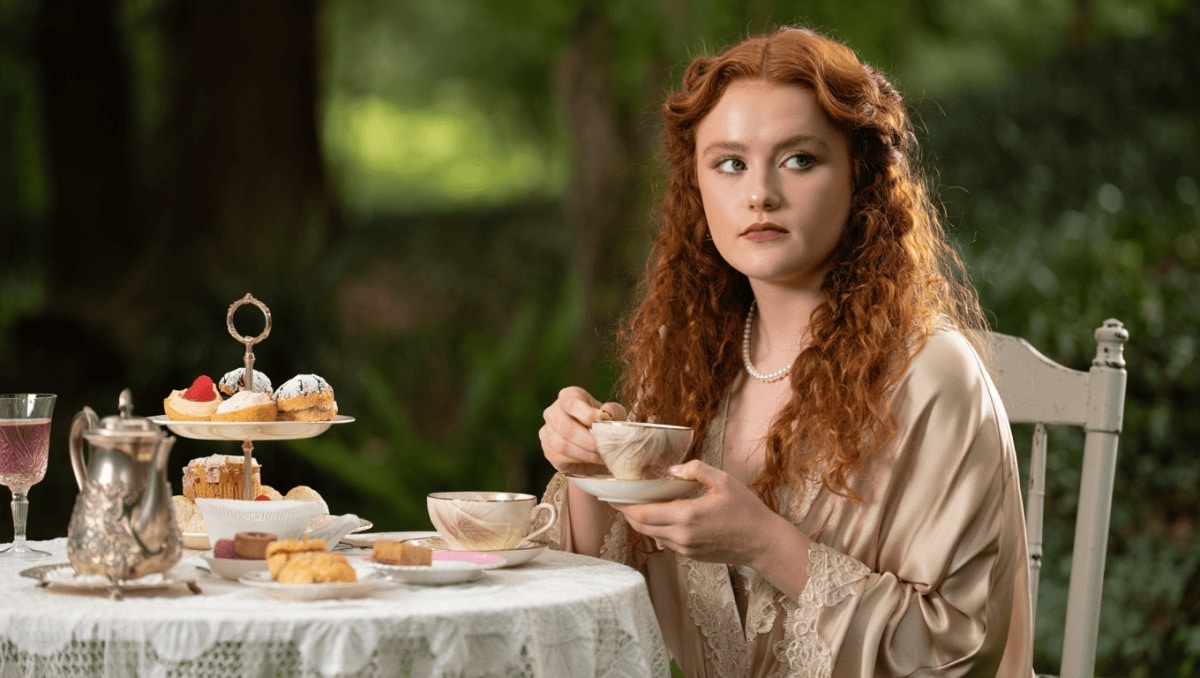
Throwing a Bridgerton-style tea may seem like pure escapism, but the decisions you make — from the guest list to the pastries — can quietly expose how you approach love and partnership. In an era when curated gatherings are back in vogue, these small choices reveal priorities people now bring into romance: risk tolerance, emotional availability, and how you balance image with intimacy.
Below is a practical guide: host elements mapped to what they commonly reveal about someone’s romantic instincts, followed by eight contemporary “romance archetypes” that emerge from those patterns. Read it as an observational tool, not a verdict — it’s about tendencies, not destiny.
How a tea party becomes a personality test
When you plan an event, you’re making trade-offs. Do you invite a wide circle or keep it intimate? Do you pick playful, scandalous conversation prompts or steer clear of controversy? Each choice signals a preference for novelty, safety, control, or openness — traits that translate into romantic behavior.
- Venue choice: A formal drawing room suggests tradition and structure; a sunlit garden hints at spontaneity and warmth.
- Guest list size: Large and lively points to sociability and confidence; small and selective leans toward emotional depth and discretion.
- Dress code: Strict period dress signals image-consciousness and ritual; relaxed attire implies authenticity and comfort.
- Menu: Adventurous, globally inspired treats show curiosity; familiar, classic fare reflects steadiness and predictability.
- Conversation topics: Bold debates indicate appetite for intellectual sparring; nostalgic anecdotes suggest romantic idealism.
- Seating arrangement: Open seating fosters mingling and playfulness; assigned seats favor order and control.
- Music and ambiance: Carefully curated score = attention to mood and detail; background noise = focus on people over performance.
Eight romance archetypes revealed by your tea-party choices
The descriptions that follow synthesize common behavioral patterns; each archetype includes what it means for relationships and what partners might notice in day-to-day life.
The Matchmaker
This host arranges people like pieces on a chessboard — always looking to connect dots. In romance, they prioritize mutual networks and shared social harmony. Partners can expect energetic planning, an emphasis on community approval, and a talent for keeping relationships socially alive. They thrive when love is celebrated publicly and grow anxious when connections feel siloed.
The Debutante
For this archetype, rituals and aesthetics matter. They appreciate tradition and romance as performance: thoughtful notes, carefully chosen attire, and symbolic gestures. They often seek courtship that feels grand and deliberate. Stability and predictability soothe them, but they may struggle with spontaneity and practical arguments.
The Wallflower
A quieter host who prefers a few trusted friends and mellow conversation. In relationships, they value deep one-on-one intimacy and emotional safety over spectacle. Partners benefit from attentive listening and consistent presence. They may need time to open up and can be mistaken for aloofness until trust is established.
The Scandalist
This guest-pleaser leans into surprise, provocation, and a hint of rule-breaking — a risqué menu item or an off-script toast. They pursue passion and novelty in romance, enjoying intensity and risk. Relationships with them are seldom dull but can be emotionally turbulent unless both partners agree on boundaries.
The Steward (Duke-type)
Practical, protective, and quietly reliable. The Steward plans for comfort and control: assigned seating, polished service, and a low-tolerance for chaos. In romance, they show devotion through responsibility and steady support rather than grand flourish. They may hold back emotionally until feeling secure.
The Reformer
This host modernizes the Regency template: inclusive guest lists, menu substitutions for dietary needs, conversation that challenges norms. They bring progressive values to relationships and prize equality and communication. Partners will encounter frank discussions and joint decision-making; they can sometimes come off as relentless planners but are deeply committed to fairness.
The Storyteller
Nostalgic and expressive, the Storyteller weaves narratives through decor and conversation. They seek emotional resonance and shared meaning in romance, often valuing growth through shared memories and experiences. Their relationships are rich in symbolism and tradition, but practicality may sometimes be a secondary concern.
The Healer
Focused on comfort and restoration, the Healer arranges spaces that soothe — soft linens, calming teas, and empathetic conversation. They bring emotional labor to relationships in a generous way, prioritizing partner well-being and repair. Boundaries can be a challenge, as they’re inclined to fix rather than confront.
Quick hosting tips with romantic meaning
Want to design a tea that highlights a particular trait — or learn more about yourself? Consider these simple adjustments:
- To signal openness: invite a diverse mix of guests and include an icebreaker that elicits stories.
- To emphasize commitment: keep elements classic — formal table settings, printed invites, a consistent theme.
- To test emotional availability: introduce a conversation prompt about vulnerability and watch who leans in.
- To spot a partner’s boundaries: offer choices (seating, menu, activities) and note whether they decide or defer.
These cues aren’t definitive, but they can clarify how you and others prefer to give and receive care. In modern dating, where presentation often blurs with authenticity, small, intentional gatherings are a low-stakes way to observe patterns that matter long-term.
At its best, a Bridgerton-inspired tea is a chance to enjoy atmosphere and connect. Read the signals with curiosity — and remember that relationships change, just like fashions: what a tea party reveals today is useful information, not an unchangeable label.