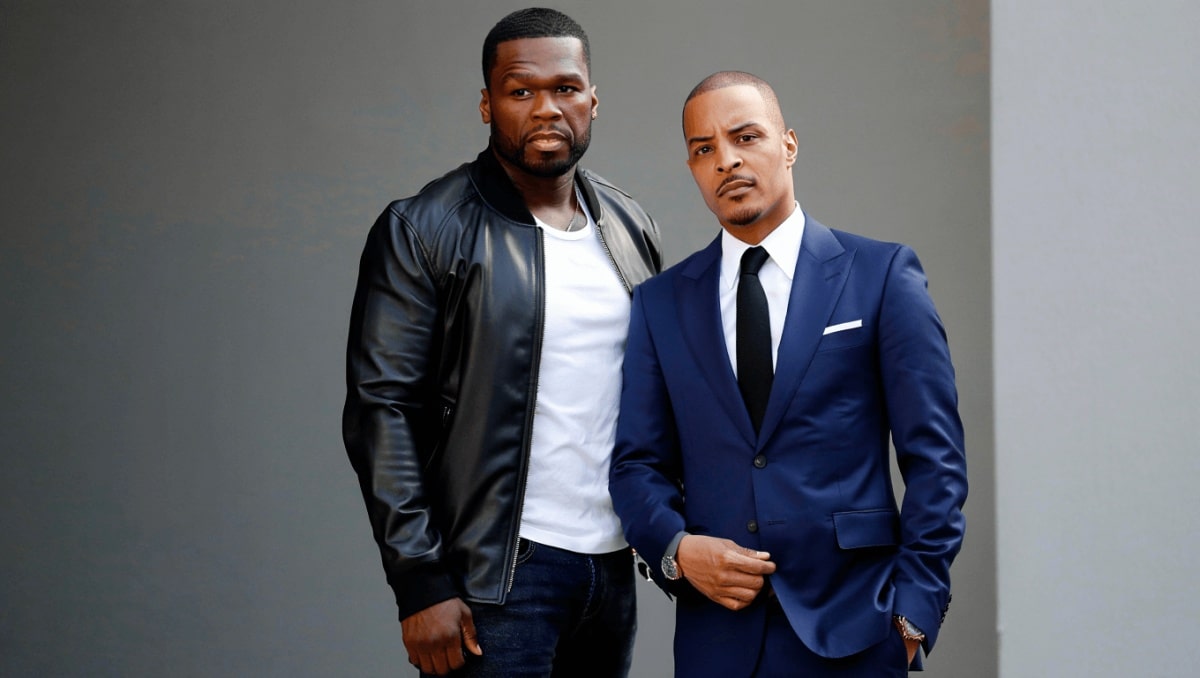
Two of hip-hop’s most enduring figures—50 Cent and T.I.—have become the focus of a very public clash that is shaping the genre’s early narrative for 2026. The dispute is drawing attention not just for the names involved but for what it signals about veteran influence and audience engagement in today’s rap landscape.
Both artists arrive with decades of cultural weight: chart records, businesses, and followings that span generations. When a conflict between figures of their stature flares, it does more than make headlines — it shifts conversations around legacy, streaming patterns and festival bookings almost overnight.
Why this matters now
Beyond the personalities, the confrontation matters because of timing. In an era when social feeds and streaming platforms can amplify a few lines into a global moment, disagreements among established acts can reframe what the mainstream hears and watches in a given season.
Industry observers are watching three immediate areas for impact: artist reputations, commercial performance, and the reaction from peers and promoters who must decide where to place themselves publicly.
- Audience attention: Debates and exchanges between heavyweight artists tend to drive spikes in streams and social engagement.
- Touring and festival dynamics: Promoters may alter lineups or marketing to avoid tensions or to capitalize on increased interest.
- Legacy questions: Long careers mean more at stake — future collaborations, awards-season narratives and how each artist is remembered.
At the same time, the moment is a reminder that the ecosystem around music is fragile. A single high-profile dispute can affect not only the principals but also supporting acts, labels, and venues that rely on a cooperative culture to operate smoothly.
Quick snapshot
| Area | Potential effect |
|---|---|
| Streams and sales | Short-term uplift from curiosity; longer-term trends depend on follow-up releases. |
| Live events | Lineups and collaborations may be reshuffled to manage optics. |
| Industry perception | Peers may feel pressure to take sides or stay neutral, shaping alliances. |
Reactions from fellow artists and industry figures will be telling. Veteran performers often trade sharp public commentary for the attention it brings, but they also have business interests that reward restraint. How peers respond may indicate whether the dispute becomes a sustained rivalry or a short-lived burst of drama.
For fans, the stakes are part cultural and part personal: who gets the last word, which records are elevated, and how each artist’s body of work is read in light of the exchange. For the wider music business, the incident is a case study in how celebrity disputes translate into measurable outcomes across platforms.
Expect coverage to evolve quickly. If the spat escalates—through new tracks, interviews, or changes to live appearances—it will reshape both headlines and the playlist algorithms that steer listening habits. If cooler heads prevail, the episode may instead become a footnote in both artists’ long careers.
Either way, this is more than a quarrel between two names: it’s one of the first major cultural moments of 2026 in hip-hop, and its ripple effects will be watched closely by fans, promoters and industry analysts alike.