Stylist-driven fashion emerged as the year’s most influential force on red carpets, shaping what millions of viewers click, screenshot and buy. A new survey of industry insiders maps the gowns, suits and small houses that dominated Hollywood’s visual conversation — and why those choices matter for designers, brands and everyday shoppers right now.
Why this matters today
In an era when a single outfit can generate viral reach and retail demand overnight, stylists act as the gatekeepers of taste. Their selections signal which houses will rise, which trends will trickle down to stores, and how risk-taking on the carpet translates into cultural moments that last beyond one evening.
What the stylists are saying — the trends to watch
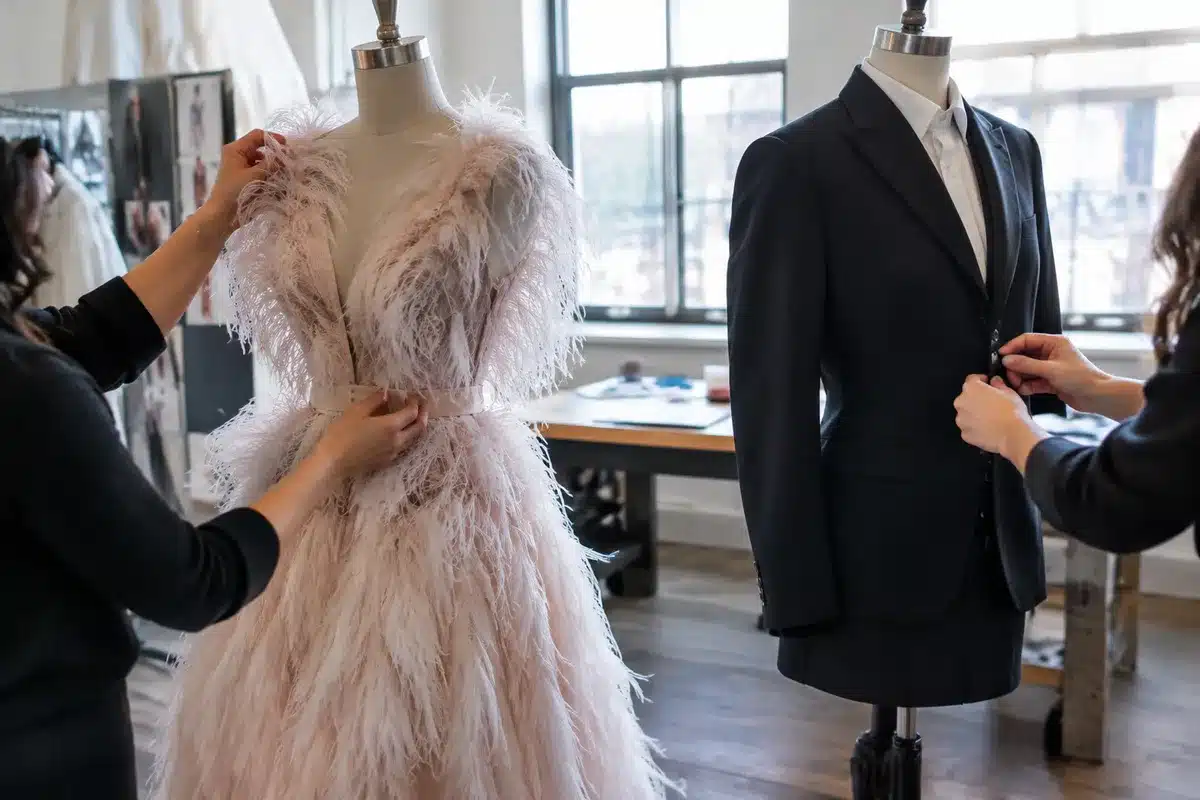
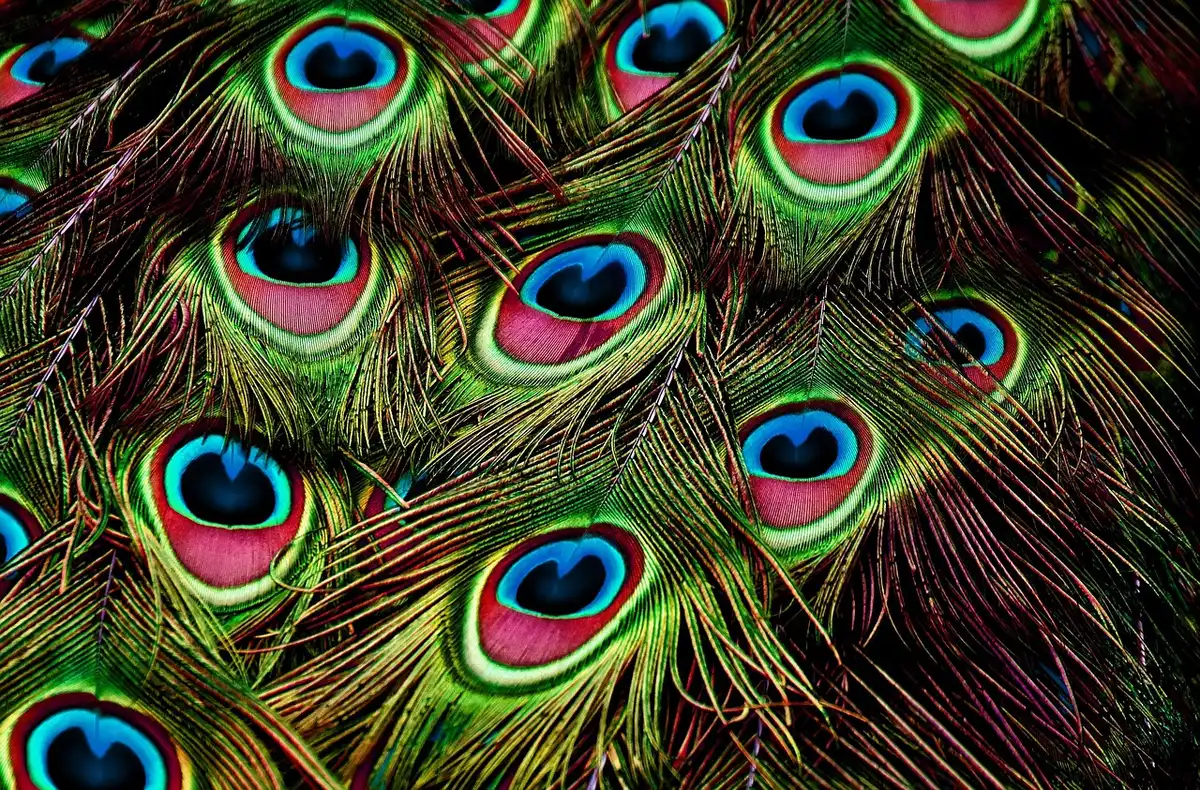
- Feathers reappear as a cross-gender embellishment, from delicate trims to full winged treatments.
- Sheer fabrics and strategic cutouts continue to balance exposure with craftsmanship, often paired with lingerie-inspired details.
- Two-piece ensembles and sculptural tailoring are displacing all-over maximalism in many red-carpet looks.
- Heritage brands remain influential, but independent ateliers—especially Paris newcomers—are winning high-profile placements.
- Celebrity influence still concentrates around a handful of names whose stylistic choices drive engagement for entire seasons.
Standout moments that stylists voted for
The following selection reflects the looks that generated the most nods among more than 50 professional stylists consulted for this roundup. Each entry highlights a single defining outfit per star, chosen to represent wider tendencies rather than exhaustive wardrobes.
Zendaya — Matières Fécales
At a recent New York premiere, Zendaya wore a finely pleated chiffon gown with dramatic feathered accents that recalled mythic iconography. Stylists pointed to its cohesion and high-visual impact: a look that reads as art on the body rather than as costume.
Emma Chamberlain — Mugler
On the Met Gala carpet, a hand-painted, impressionist-inspired creation demonstrated how couture techniques can answer an institutional theme while feeling contemporary and wearable in images.
Chase Infiniti — Thom Browne
A heavily embellished gown assembled from sequins and silk fringes gave the impression of a sculptural object in motion, underscoring how craftsmanship and narrative referencing continue to impress tastemakers.
Nicole Kidman — Chanel
A drop-waist, bead-encrusted gown with feather detailing proved that restraint paired with singular accents can translate into memorable elegance on the red carpet.
Daisy Edgar-Jones — Miu Miu
A crystal-paneled, corseted silhouette channeled historic dressmaking while remaining fresh: an example of how period references keep resurfacing in modern premieres.
Rihanna — Maison Margiela
A metallic, architectural gown that incorporated recycled threads and antique gems illustrated the growing overlap between sustainability, couture handwork and national storytelling.
Bella Hadid — Schiaparelli
A lace couture piece with intricate back details reminded stylists of the power of contrast—delicate craftsmanship married to an edge that photographs well from every angle.
Charlize Theron — Dior
A sharply tailored suit from a men’s collection, reworked for a red-carpet moment, demonstrated that quiet confidence and precision can outshine over-embellishment.
Zoë Kravitz — Saint Laurent
A black lace ballgown balanced vintage drama with contemporary attitude, reaffirming the house’s rock‑influenced signature while keeping the wearer unmistakably herself.
Designers and houses that emerged as favorites
- Matières Fécales — a Parisian duo gaining traction among leading stylists for bold, feather-forward couture.
- Chanel, Dior, Saint Laurent — established ateliers that remain staples on top-tier carpets for their mix of refinement and spectacle.
- Mugler, Thom Browne, Schiaparelli — houses proving that handwork and narrative continue to win votes among fashion professionals.
Methodology in brief
Stylists were asked to list their top 10 red‑carpet looks of the year. Responses from over 50 professionals were aggregated: each look earned points based on frequency of mention and ranking. To avoid inflating any single star’s presence, the survey counted one signature look per celebrity for the final compilation.
That process highlights not just which garments impressed industry insiders, but how consensus forms around certain designers and aesthetics — useful intelligence for brands, retailers and anyone tracking what will appear in stores and feeds next season.
What this means for consumers and the industry
When stylists elevate young ateliers, editorial coverage and social amplification often convert into commercial opportunities: collaborations, increased demand for similar silhouettes, and faster cycles for trends to move from couture to ready-to-wear. For shoppers, the takeaway is practical: look for pieces that prioritize tailoring, texture and a distinctive detail rather than wholesale extravagance.
For designers and marketers, investing in memorable craftsmanship, strategic placements and relationships with stylist communities remains one of the most reliable paths to cultural relevance.
Ultimately, the year’s red-carpet choices show a market that rewards subtlety as much as spectacle—and a small group of fashion professionals who now define what millions of viewers will call “the look” next season.