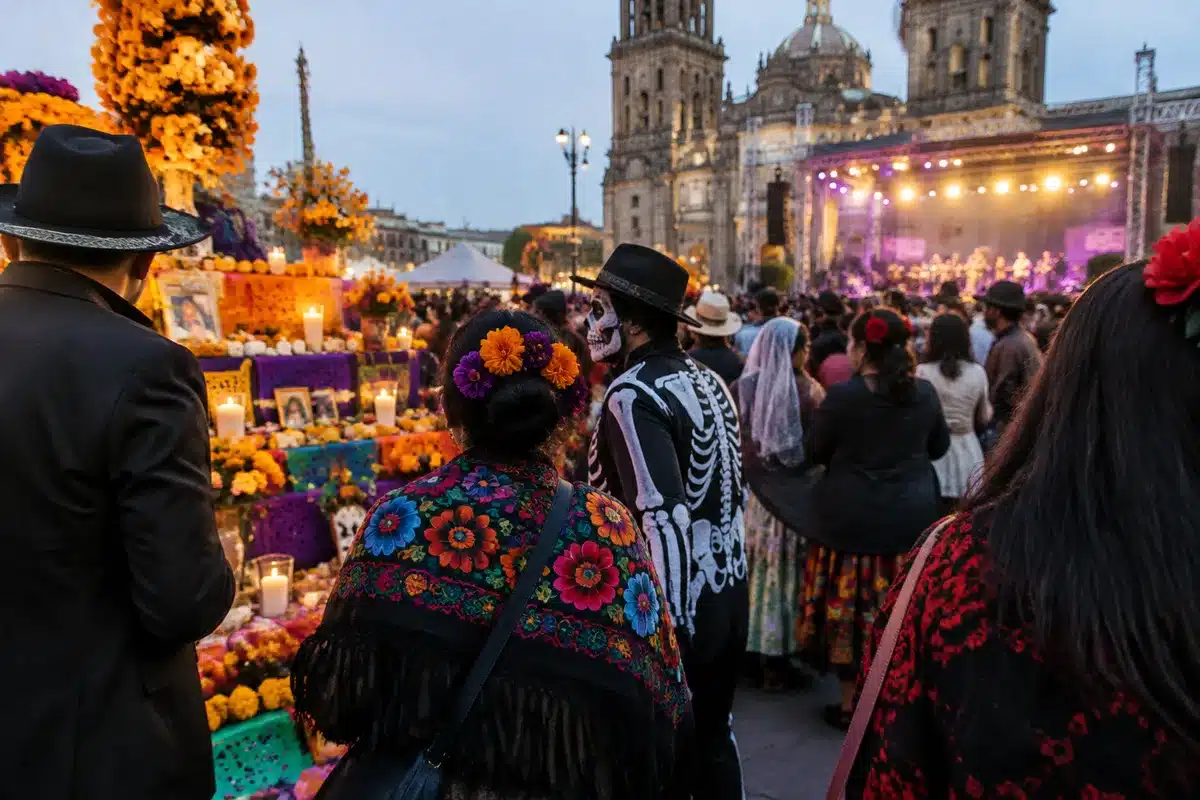
Guadalajara hosted the inaugural Day of the Dead festival this weekend, drawing thousands to downtown public spaces for a mix of live performance, communal remembrance and cultural displays. The event blended contemporary music with traditional tributes, underlining the city’s role as a growing hub for large-scale cultural programming.
Street stages, plazas and exhibition areas filled with residents and visitors who came to see processions, altars and stage acts. Organizers set up multiple sites to spread crowds across the historic center, creating a festival atmosphere that combined solemn ritual and popular entertainment.
What the first edition looked like
Attendance reached into the thousands, according to on-site estimates, with families and younger audiences particularly visible around evening performances. Public altars and community ofrendas lined pedestrian corridors, where participants left photos, candles and offerings in memory of loved ones.
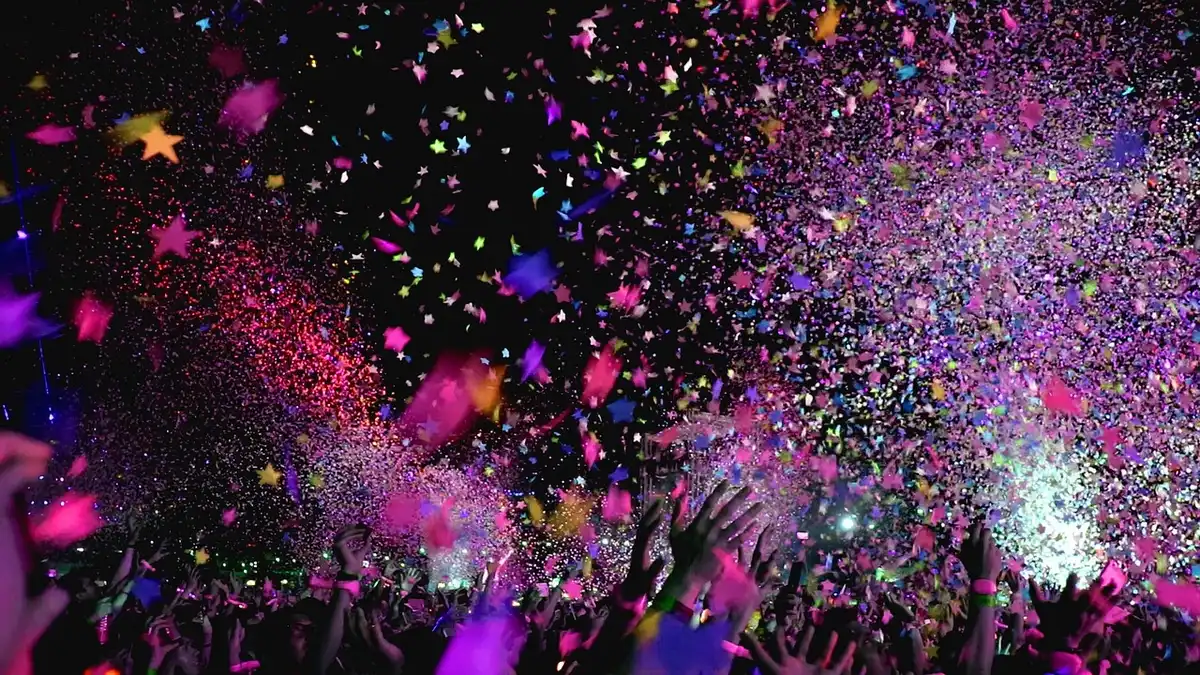
Musical programming mixed traditional ensembles with modern bands and DJs, aiming to bridge generational tastes. Food stalls and artisan booths provided local fare and crafts, turning the footprint of the festival into a nighttime market as much as a commemoration.
- Scale: Multiple stages across the city center encouraged broad participation rather than a single, concentrated crowd.
- Culture: Traditional rituals and contemporary performances ran side by side.
- Community: Local artists, families and vendors contributed altars and installations.
- Economy: Restaurants and shops experienced higher foot traffic during festival hours.
- Logistics: City services coordinated traffic management and public safety at major sites.
For residents, the festival offered a visible, public expression of the annual Día de Muertos tradition, while visitors encountered both the ceremonial aspects and a more festival-like presentation of the holiday. That combination shaped much of the weekend’s coverage and social media response.
Why this matters now
The launch of a major Day of the Dead festival in Guadalajara matters because it signals a move toward institutionalizing public cultural events that attract tourism and local engagement outside the typical Centro events calendar. As cities compete for visitors and cultural recognition, successful first editions can influence future programming and municipal planning.
Organizers and city coordinators face several immediate questions: whether to keep the multi-site format, how to balance solemn commemoration with entertainment, and how to scale safety and sanitation for larger crowds if the event grows. Decisions made in the coming weeks will determine whether this becomes an annual fixture.
Participants praised the opportunity to remember family members in public settings and to experience diverse musical acts in one weekend. Observers noted that when cultural memory and popular culture meet, the result can deepen civic participation—but it also requires careful stewardship to respect tradition while accommodating larger, more varied audiences.
As Guadalajara evaluates the weekend’s results, the festival’s debut has already sparked conversations about the role of public ceremonies in urban life and how heritage can be presented to both residents and visitors without losing its meaning.