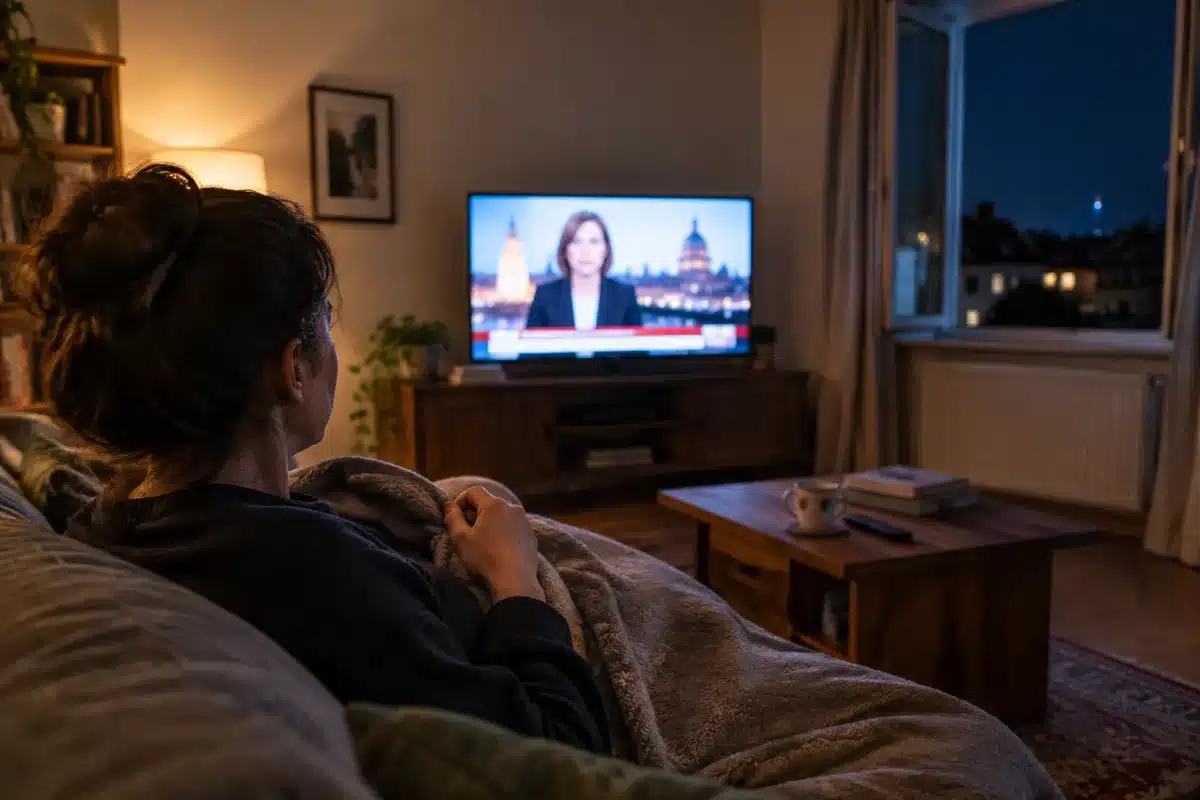

During a live phone interview with former President Donald Trump on Fox News, the broadcast took an unexpected turn when the network’s election team projected the outcome of a Minnesota contest mid-interview — a disruption that highlighted the challenges of breaking electoral news during real-time programming. The moment matters because it underlines how decision calls can reshape on-air conversations and influence viewers’ perceptions during a crowded campaign season.
What unfolded was simple but striking: while Trump was speaking by phone, the channel’s newsroom interrupted to announce that its analysts had called a Minnesota race. The on-air tone shifted immediately as anchors relayed the projection, briefly diverting attention from the interview to the call itself.
How this affected the broadcast
The interruption altered pacing and emphasis. Viewers saw a rapid transition from an extended political conversation to newsroom analysis, then back again. For live television, that kind of pivot is familiar — but when it happens in the middle of a high-profile interview, it can change which topics take center stage and how viewers remember the exchange.
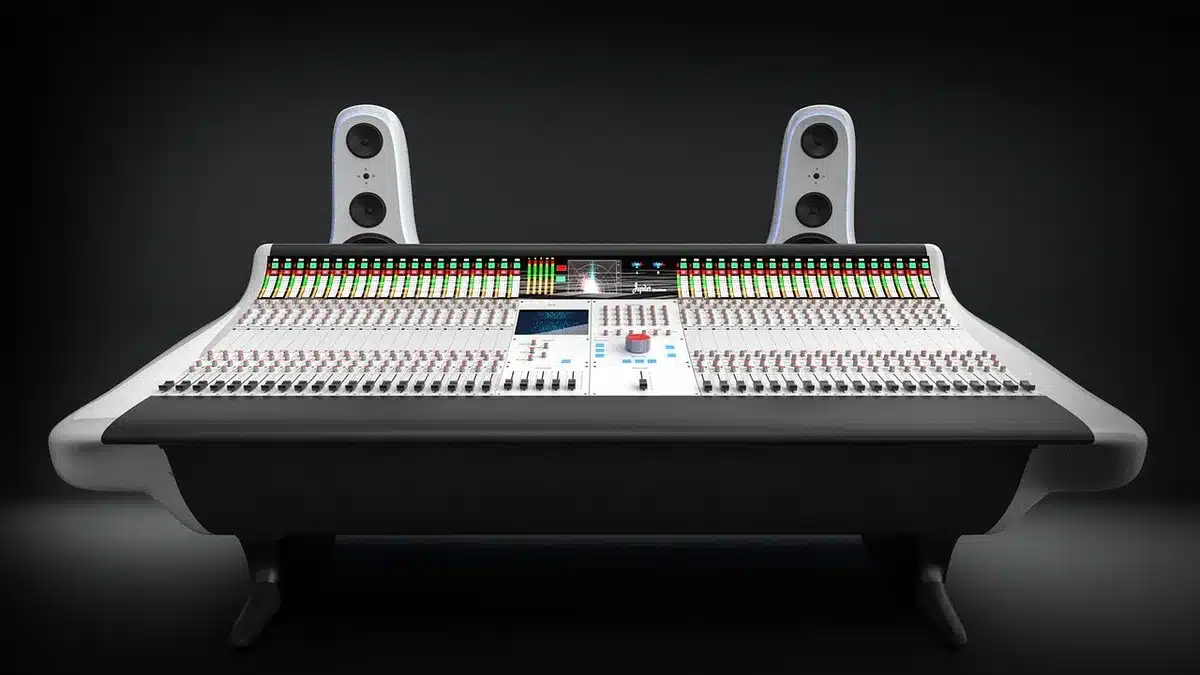
Broadcasters say such decisions are driven by newsroom judgment and the work of a decision desk tasked with weighing vote totals, margins, and statistical models. That same judgment, however, can collide with scheduled programming and on-the-record statements, producing awkward or consequential moments on air.
Why it matters now
As campaigns and media outlets prepare for more frequent, closely contested calls in the months ahead, this incident illustrates a few practical stakes: the timing of a call can amplify or undercut a candidate’s message; networks face a trade-off between being first with results and preserving the flow of live interviews; and audiences must parse simultaneous streams of commentary and breaking data.
- For viewers: Mid-interview projections can create confusion about what changed and why — especially when multiple outlets report different calls.
- For campaigns: Interruptions can shift the focus away from planned talking points or force rapid responses.
- For networks: Calling races involves reputational risk if decisions are reversed or disputed later.
- For journalists: The moment underscores the need to clearly separate verified results from commentary in live coverage.
Social media reaction to the interruption was immediate, with users debating the timing and accuracy of the projection and questioning whether live interviews should be paused for electoral calls. That response reflects a broader appetite for real-time information mixed with skepticism about how and when newsrooms make judgment calls.
Context and outlook
Election decision-making by major outlets is shaped by longstanding internal processes and by increasing public scrutiny. As voting technology and reporting cycles evolve, so will the pressure on newsrooms to balance speed and certainty. In practical terms, viewers should expect more such on-air shifts during peak election moments and be prepared to consult official state results for confirmation.
The episode serves as a reminder that live political programming is a negotiation between immediacy and accuracy. When a projection interrupts a conversation with a leading political figure, the effects reverberate beyond that hour — shaping headlines, social chatter, and how campaigns respond in real time.