Jake Shears, the former frontman of Scissor Sisters, has taken on the role of Dr. Frank‑N‑Furter in the Broadway revival of Rocky Horror at Studio 54 — a turn that arrived just weeks after the death of the character’s most indelible portrayer, Tim Curry. The timing and the staging make this production more than a reboot: it is a moment of theatrical succession, nostalgia and renewed conversation about a show that still provokes and delights.
Recasting an icon, not recreating it
For half a century, audiences have come to midnight screenings and stage productions eager to mimic Curry’s velveted sleaze and unforgettable vocal turns. Yet Shears stresses that this Broadway revival — directed by Tony winner Sam Pinkleton — does not aim to be a museum piece.
Pinkleton’s approach leans into bricolage: rough‑edged sets, eclectic casting and a gleeful sense of camp that pushes the musical’s transgressive heart instead of softening it. Shears injects his own brand of bratty glamour into the Sweet Transvestite while still acknowledging Curry’s long shadow; the actor says he’s not trying to erase the original, but to stake out his own comic and musical identity within the part.
Why the timing matters
The show’s renewed life at Studio 54 took on added poignancy after Curry’s passing on Aug. 25. Shears stepped into the role on Sept. 11, and the proximity of those dates gave his debut a bittersweet resonance — a reminder that theater is both an archive of performances and a living, changing art form.
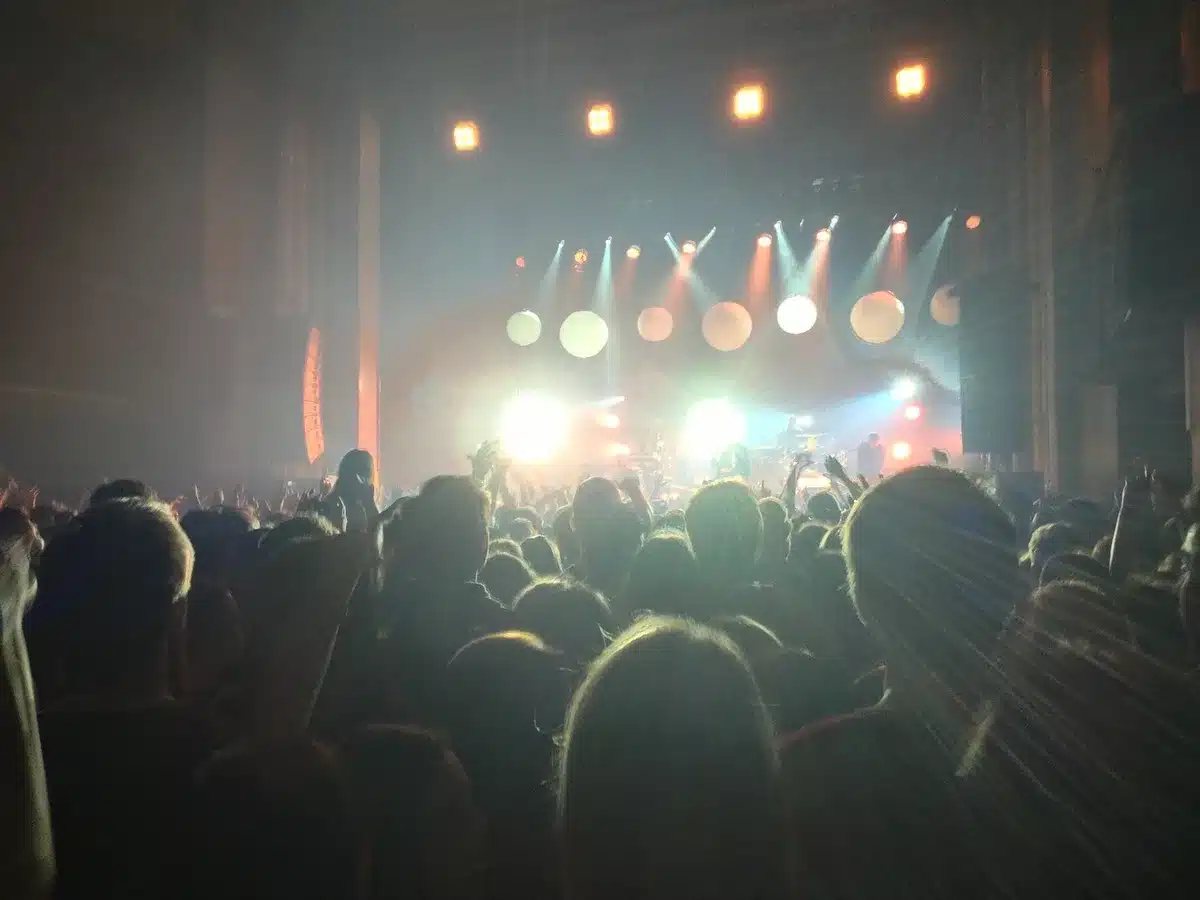
That duality is visible onstage: the production nods to the show’s rituals and participatory traditions while inviting fresh energy. Audiences who know the callbacks and beats get the most out of the performance; when the crowd is confident, the exchange between stage and house can be electrifying.
What audiences should expect
- High‑energy performances eight times a week with variable, sometimes chaotic moments that make each show feel lived‑in rather than rote.
- Interactive callbacks — welcomed by Shears but best executed by seasoned fans who know the rhythms.
- A production aesthetic that feels like a party at Studio 54: glamorous, slightly dangerous and deliberately loose.
- Quiet, emotionally charged moments — notably the number that Shears calls his favorite — that land like a hymn amid the mayhem.
From fandom to the footlights
Shears describes a personal history with the material that started in adolescence. He first encountered the film and soundtrack as a curious teenager and says the work helped shape his sense of identity and theatergoing. That lifelong devotion now informs his performance: it’s both affectionate and irreverent.
He also traces his readiness for the part to previous stage work — roles in productions such as Kinky Boots and Cabaret taught him discipline and technique, while more unruly pieces gave him permission to play dangerously. At 48, he suggests, he brings a maturity to Frank‑N‑Furter that balances showmanship with nuance.
Onstage habits and behind‑the‑scenes notes
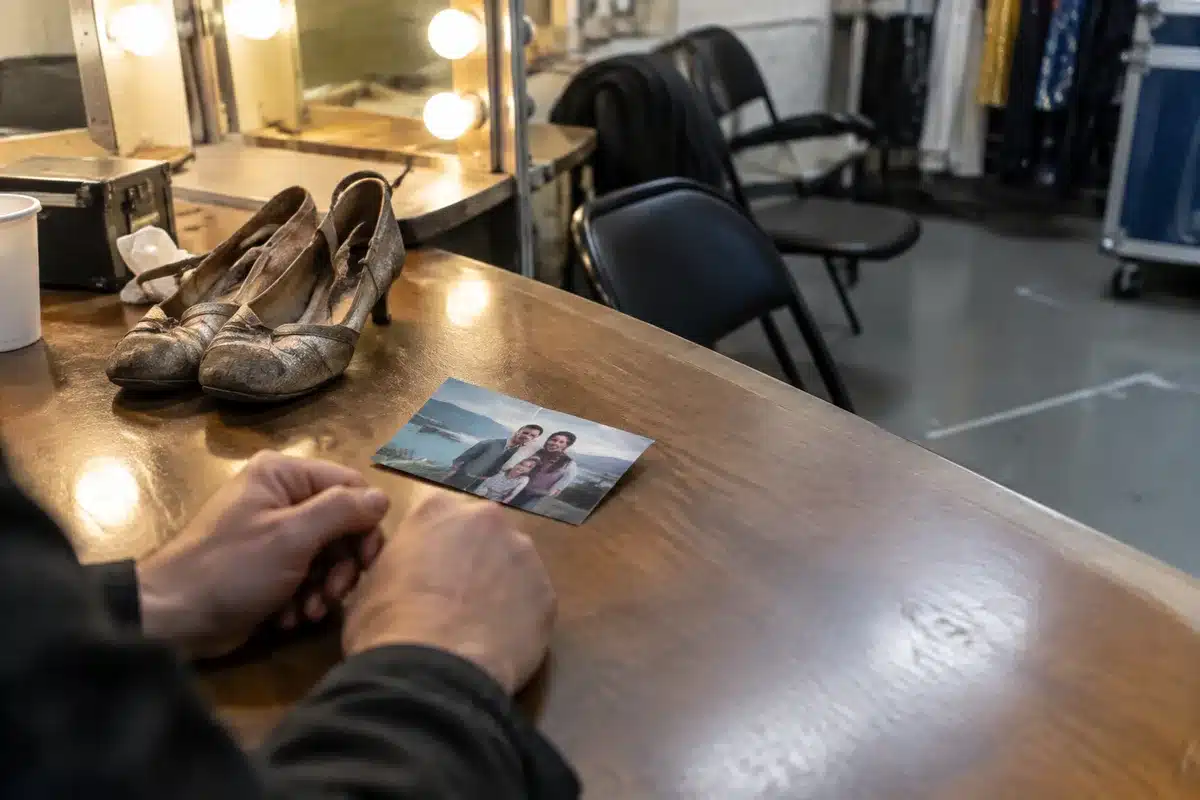
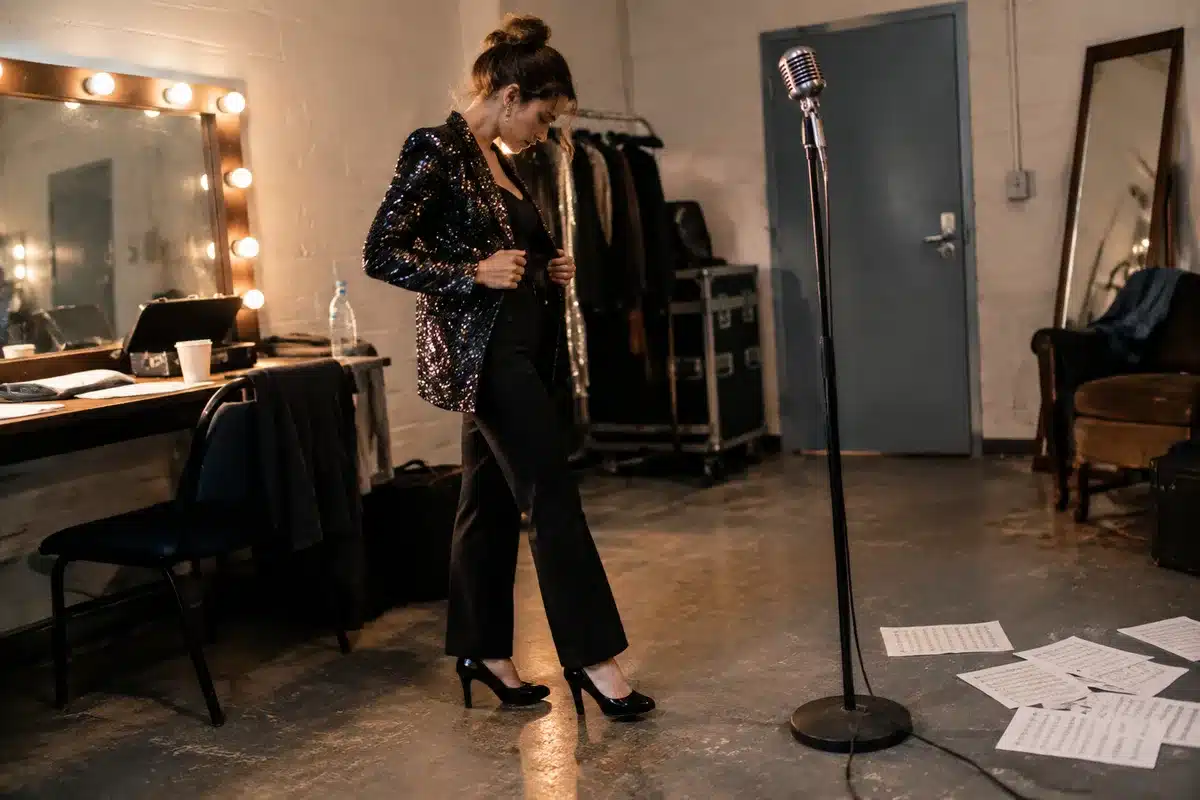
Shears says his prep is theatrical and private: once wig and heels are in place he spends time alone in the mirror, making faces and slipping into character. He laughed about a joking “flavor” he’s brought to the role — a reference to Studio 54’s notorious history — then quickly clarified the quip was part of the role‑play.
He’s candid about the physical and emotional swings of doing multiple performances: an opening night was strangely calm for him, while a subsequent matinee brought raw nerves. Matinees, he notes, carry an otherworldly vibe that can make an afternoon staging feel like “three in the morning.”
Collaboration with predecessors has been generous. Shears met with Luke Evans and Paul Soileau, who played Frank before him, and the three joined onstage the night Curry’s death became public to sing “I’m Going Home” together — a moment he recalls as quietly moving.
Moments that linger
Among the show’s many songs, Shears points to the closing hymn as especially resonant. He frames it as a queer spiritual moment — a still point amid the show’s glorious chaos — and says it becomes particularly fraught given the recent loss of Curry and the responsibility he feels toward the audience.
That responsibility runs both ways: while the production leans into improvisatory audience interplay, Shears asks participants to be clear and confident. When the callbacks are well executed, he says, they elevate the show; when they’re not, they can derail the moment.
What this revival signals
Beyond the performances, the revival is a reminder that cult works evolve across generations. This staging preserves the rawness that made Rocky Horror a shelter and a provocation for many, while allowing new artists to reframe and reanimate the material for contemporary viewers. It’s a case study in theatrical inheritance: how a piece retains its core identity even as actors, directors and audiences fold new meanings into it.
For those tracking Broadway and cultural afterlives, this production is notable both as a respectful nod to an icon and as evidence that live theater continues to be a space where devotion, reinvention and communal ritual intersect.