David Bisbal returns with a personal reimagining of Latin romantic classics: his tenth studio album, Eternos, arrives Thursday, Oct. 1, and revisits songs made famous by Nino Bravo, José José, Juan Gabriel and Raphael. The record aims to reconnect contemporary listeners with the grand, orchestral sound of past decades while also reflecting a private, emotional chapter in the singer’s life.
Rather than reinventing the originals, Bisbal approached these tracks as if their authors had handed them to him directly. That mindset shaped both his vocal choices and the production: fidelity to the melodies with selective reinterpretation where he found room to make a song unmistakably his.
How the album was put together
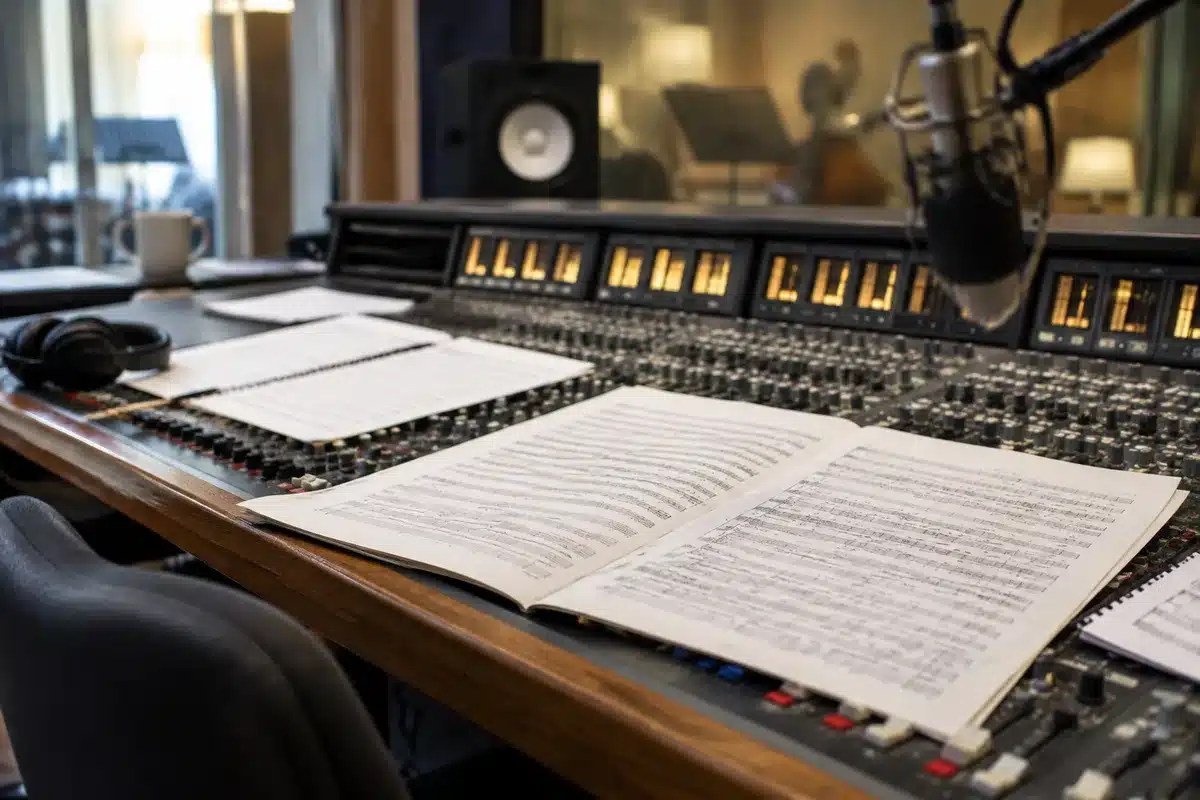
Bisbal reunited with arranger-producer Cheche Alara, who also worked on his recent holiday project. The team sought an authentic, old-school recording process—bringing musicians together to play live instead of relying on modern programming. Basic tracking was done at Henson Recording Studios in Los Angeles, with later string and brass sessions recorded in Budapest.
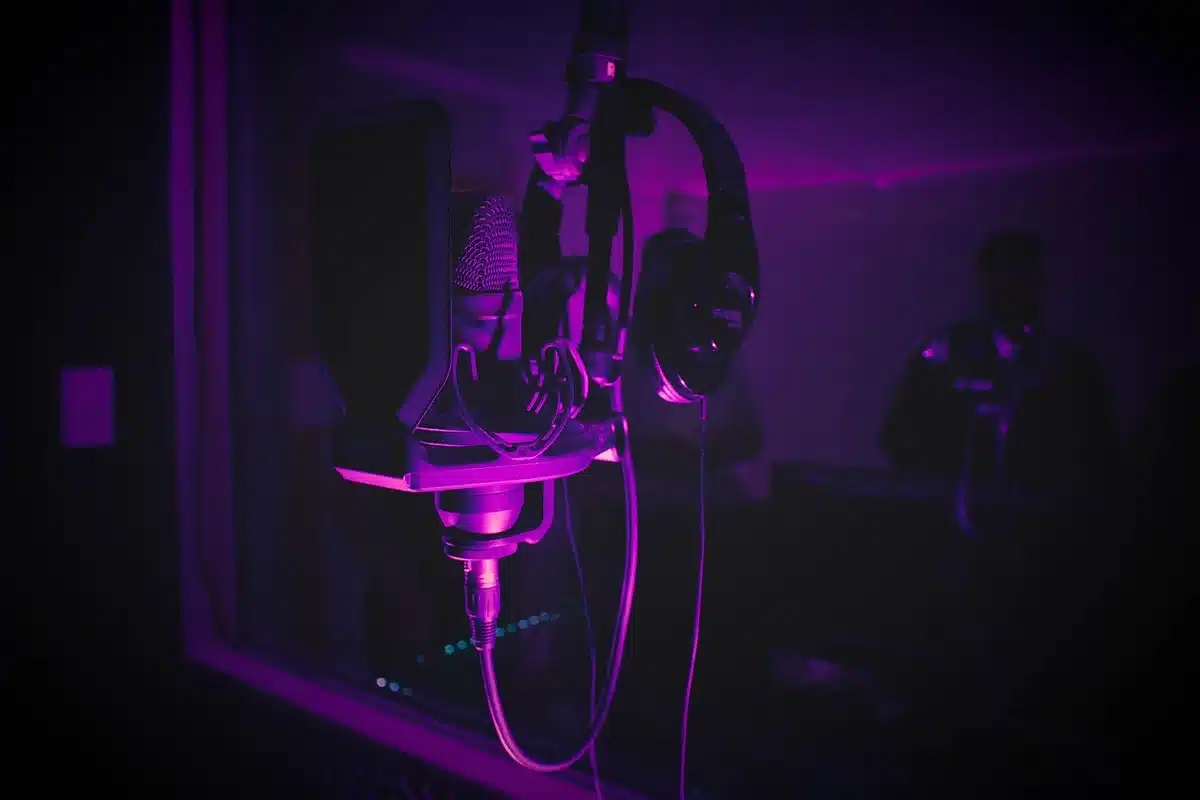
Some tracks required massive ensembles. On several songs the arrangements swelled to include dozens of instrumentalists—an effort intended to recreate the expansive textures typical of romantic pop from the 1960s through the 1980s.
What listeners will hear
The album contains 10 covers spanning multiple eras of Spanish-language pop. Bisbal keeps close to many original arrangements but allows himself more interpretation at moments—most notably on Raphael’s “Qué Sabe Nadie,” where his phrasing and delivery diverge from the source to reflect his own style.
Vocally, he often opts for restraint: letting melodies breathe and saving full-throttle intensity for climactic passages. The result is less about vocal pyrotechnics and more about emotional clarity and storytelling.
- Release date: Oct. 1
- Tracks: 10 covers, including “Te Quiero, Te Quiero,” “Vivir Así es Morir de Amor,” “El Amar y el Querer,” “Abrázame Muy Fuerte” and “Amor Eterno”
- Producer/arranger: Cheche Alara
- Recording: Live basic tracking in Los Angeles; strings and brass recorded in Budapest
- Tour: Kicks off Oct. 6 in Santiago, Chile; dates through Latin America, Mexico and the U.S.; Spain scheduled for summer 2027
One of the album’s most affecting moments is Bisbal’s version of “Amor Eterno,” arranged as a symphonic mariachi piece with harp, brass and guitarróns. The song took on deeper significance for him after the illness and subsequent death of his father earlier this year; Bisbal says performing it now carries a new, personal weight.
Manuel Alejandro’s songwriting figures prominently across the set—his work appears on several tracks including “El Amar y el Querer,” “Qué Sabe Nadie” and “Frente a Frente.” Bisbal says studying these songs revealed fresh lyrical and melodic details, and he singled out “Frente a Frente” as particularly rewarding to perform live, given its rare history of male renditions.
The album’s closing moment strips away orchestral grandeur: Bisbal finishes a cappella with Joan Manuel Serrat’s “Aquellas Pequeñas Cosas,” a quiet coda that underscores the record’s balance between lavish arrangements and intimate vocal moments.
Onstage and beyond
Translating the album to live shows will require fresh arrangements night after night. Bisbal plans to expand his touring band with dedicated string and brass sections rather than relying on visual spectacle; for him, the music itself is the centerpiece.
The tour begins in Santiago on Oct. 6 and will move through Latin America before reaching North America. Spanish dates are set for summer 2027, giving fans at home more time to hear how these reinterpretations evolve on stage.
At its core, Eternos is both an archival gesture and a personal statement: a veteran artist revisiting the songs that shaped him, recorded with vintage methods and delivered with new emotional context—an approach that makes the album timely for listeners interested in tradition, craft and the transformative power of performance.