
Prince William and Princess Kate interrupted their summer break to express deep concern after flash floods ripped through northern Nepal, killing hundreds and leaving thousands missing. The couple’s message underscores the scale of the disaster and the urgency of the ongoing search-and-rescue effort.
Royal response and immediate reactions
On Aug. 28 the Prince and Princess of Wales issued a brief statement on social media, saying they had been left “shocked” by the loss of life and that their thoughts were with those waiting for news of loved ones. They thanked rescuers working in hazardous conditions.
King Charles III and Queen Camilla also released condolences a day earlier, noting the close ties many in the United Kingdom have with Nepal and pledging sympathy for families affected by the tragedy.
Both statements emphasized support for rescue teams and signaled the UK’s readiness to assist if requested — a reminder of long-standing people-to-people links between Britain and Nepal.
What happened
The flooding began on Aug. 26 after a sudden surge of water moved down from Tibet into Nepal’s highland valleys. The deluge hit communities along the Bhote Koshi River and the Trishuli corridor, sweeping away homes, bridges and essential services.
Local media and Nepali authorities reported heavy losses: about 579 deaths have been reported, while the National Disaster Risk Reduction and Management Authority says roughly 1,924 people remain unaccounted for. Officials estimate tens of thousands have been affected.
- Date: Aug. 26 — sudden flood wave from upstream Tibet
- Primary areas hit: Rasuwa district, Bhote Koshi and Trishuli river corridors
- Reported fatalities: ~579 (local media)
- Missing: ~1,924 (Nepal authority)
- People impacted: Nearly 93,000 according to initial assessments
Possible cause and wider context
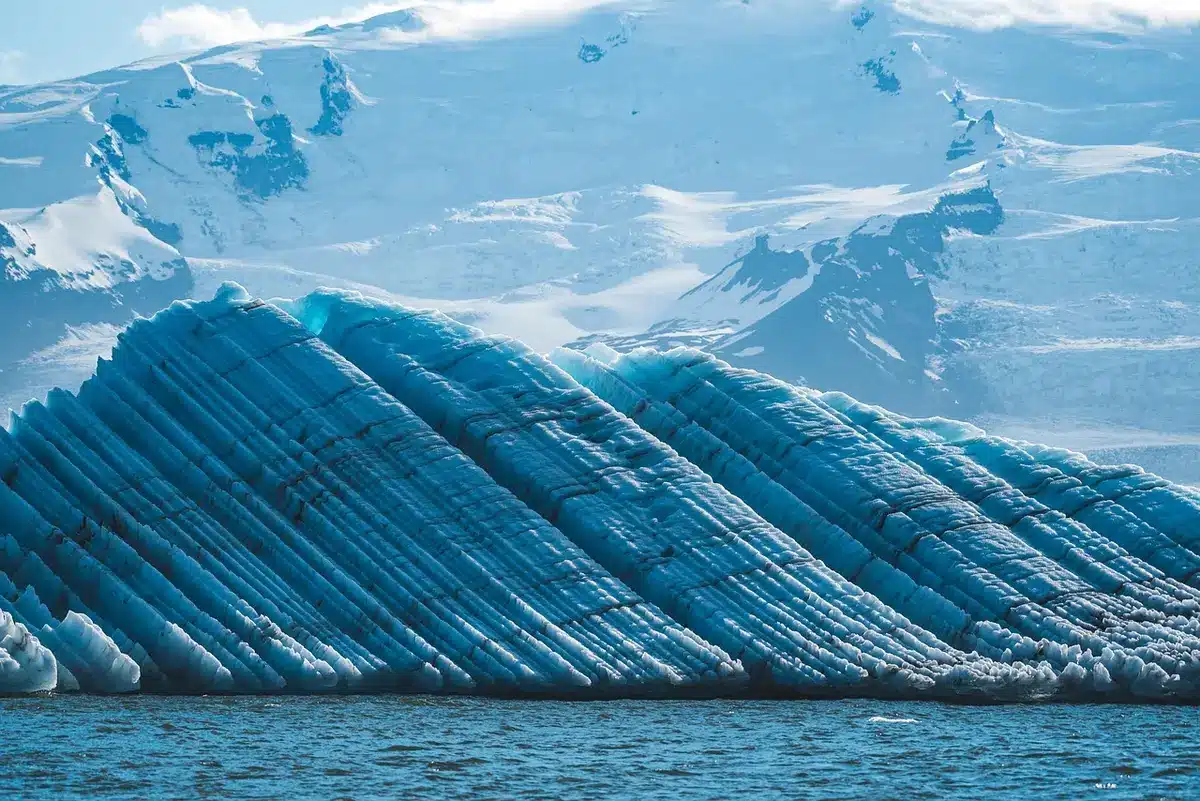
Preliminary investigations point to a sudden ice or glacier-related event upstream — potentially an avalanche that dammed and then released water. Scientists are exploring whether a glacial lake outburst flood (GLOF) or a collapse of ice and moraine triggered the surge.
Climate change is a likely background factor: rising temperatures increase glacier melt and the formation of unstable glacial lakes, raising the frequency and severity of sudden floods in Himalayan regions. Experts caution that these episodes are becoming more common, placing remote communities at greater risk.
On the ground: rescue and relief
Crews continue to search for survivors amid difficult terrain and damaged infrastructure. Local authorities and volunteer groups have mobilized, but access is limited in many hard-hit valleys.
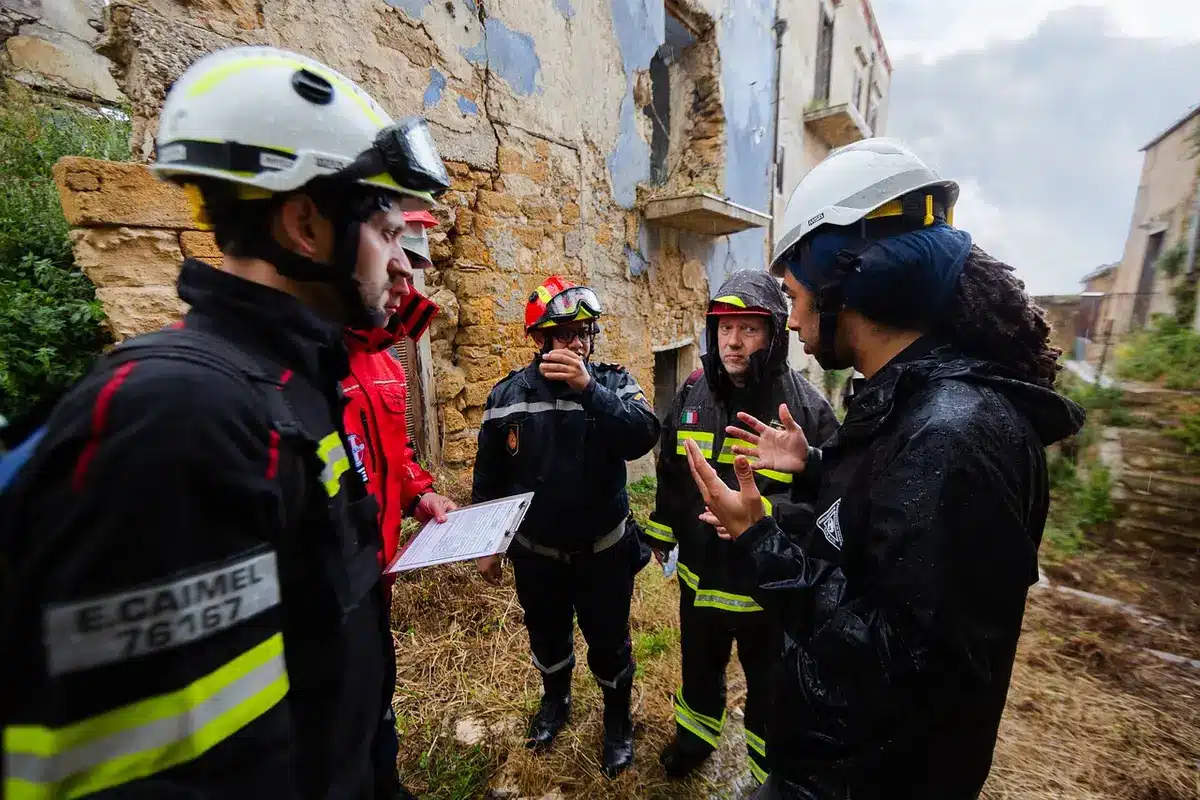
Humanitarian priorities now include expanding search operations, restoring communications and delivering food, shelter and medical care to displaced residents. Officials have said they remain hopeful that more survivors will be found as searches continue.
Why it matters beyond Nepal
The disaster highlights a growing hazard for mountain communities across South Asia and the importance of early-warning systems, resilient infrastructure and international cooperation on climate adaptation. For countries with diaspora populations in the UK and elsewhere, the immediate human impact is felt across borders.
As recovery moves from rescue to relief and reconstruction, experts say the episode will test both local preparedness and the willingness of the international community to support longer-term measures that reduce future risk.
The situation remains fluid. Authorities are updating casualty and displacement figures, and investigators continue to examine the precise sequence of events that produced the outburst flood.