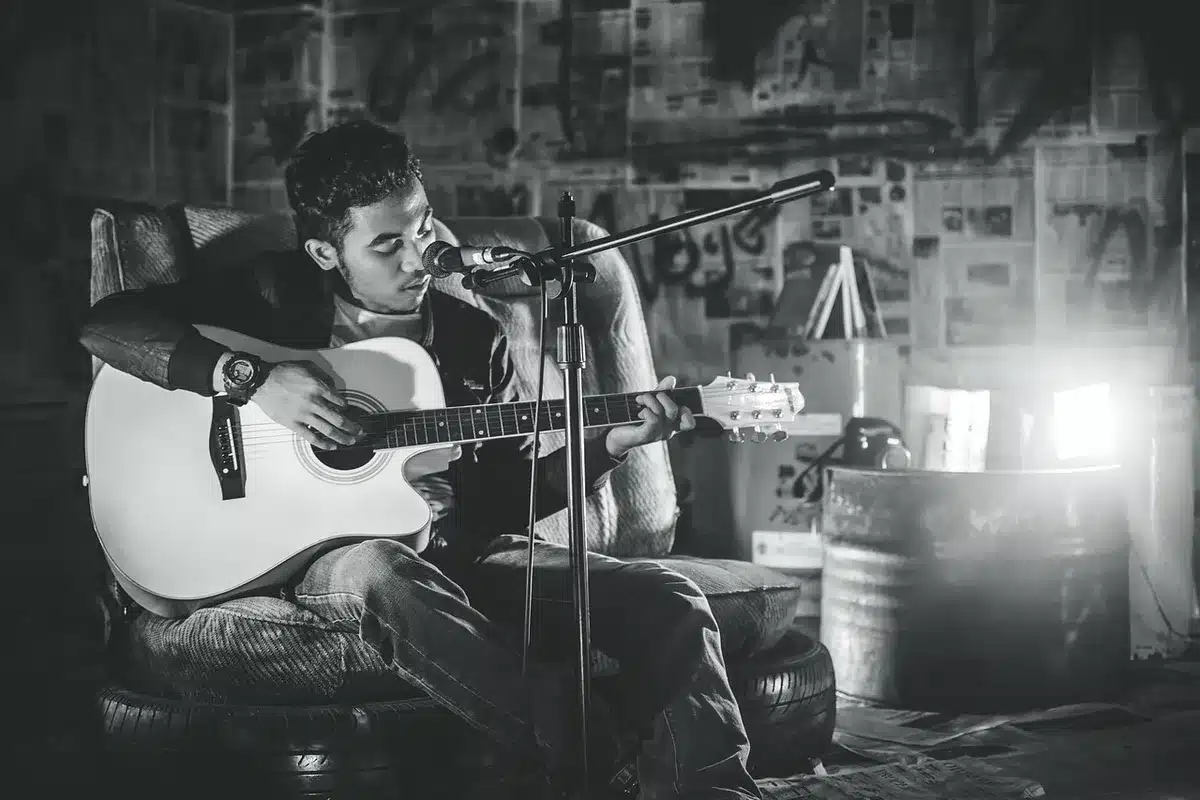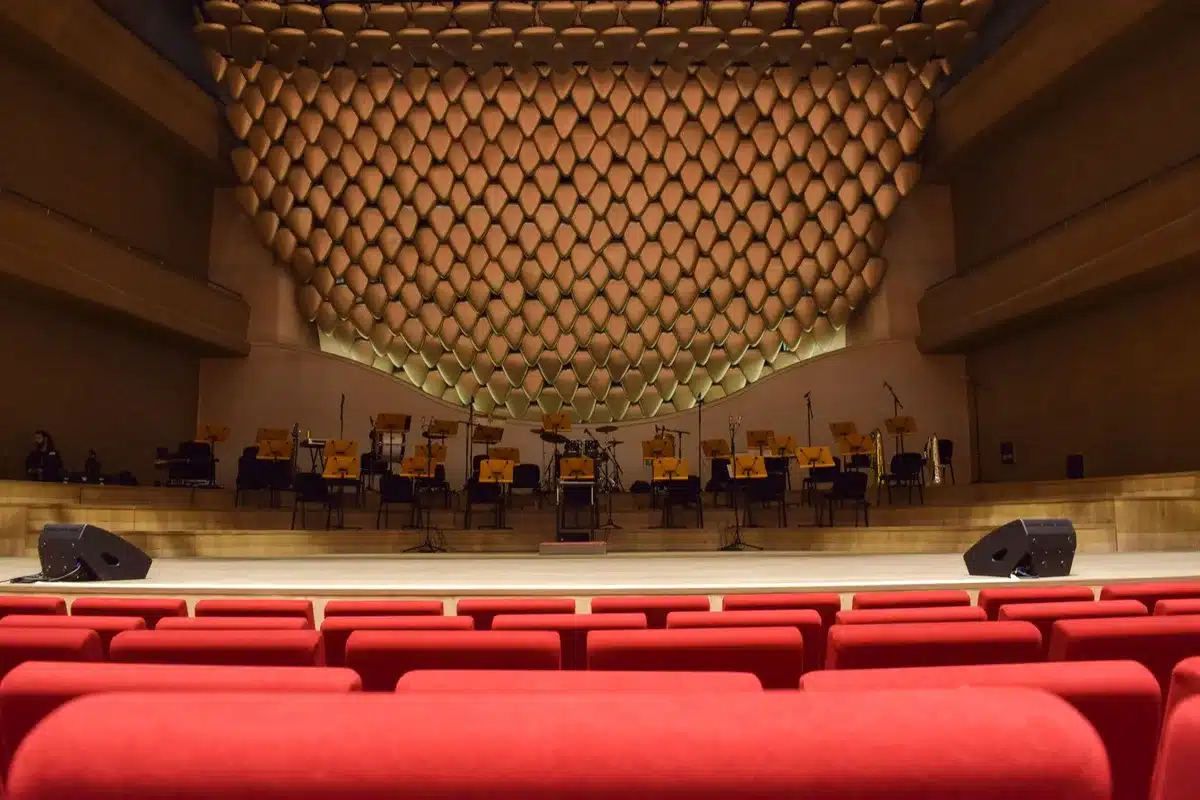
Audiobooks are shedding the simple “one voice, one mic” model and beginning to sound like small films. With high-profile actors, orchestral scoring and location sound capture, publishers are treating audio releases as full-scale productions — a shift that is already reshaping how people read, buy and listen to books.
For many listeners the difference is decisive. Alexandra Rainis, a 25-year-old social media manager in Boston, says she rarely reaches for a paper copy any more: she waits for the dramatized editions because they feel like a performance rather than a narration. Her preference mirrors a broader move: audiences are choosing audio that delivers layered sound, multiple voices and cinematic cues.
Why the change matters now
Streaming platforms and better audio technology have lowered the barrier to creating richly produced audio. Meanwhile, big-name talent — actors who bring recognizable tones to characters — and publishers willing to invest months in production are making these editions a commercial priority. For listeners, the consequence is more immersive options; for the industry, it’s a pivot toward entertainment-style budgets and schedules.
Publishers and platforms are reacting. Audible experimented with a temporary “bookless” storefront staffed by human curators giving listening recommendations; Spotify has added books to its annual Wrapped feature; and production schedules for some high-profile releases have expanded from weeks into many months to accommodate scoring, casting and advanced sound design.
What goes into an immersive audiobook
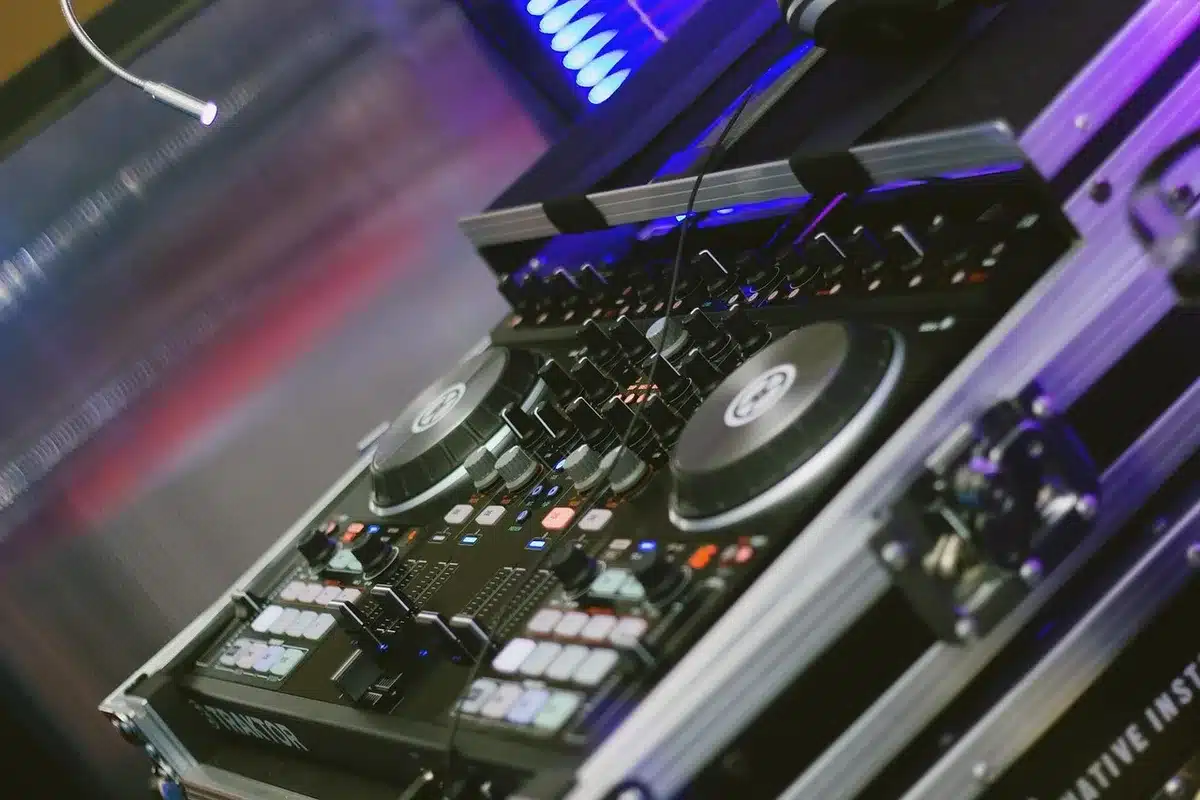
Producing a cinematic audiobook is more than hiring extra actors. Teams coordinate casting, directors, composers and location recordists to build a layered listening environment. The results can include bespoke musical themes, bespoke sound effects, and spatial techniques that make characters feel positioned in three-dimensional space.
| Production element | Purpose | Typical time/scale |
|---|---|---|
| Casting | Assemble lead and ensemble, often including known actors | Weeks to months (casting rounds may review hundreds of performers) |
| Recording & direction | Multiple actors, directors to shape performance and pacing | Several weeks for simple projects; up to many months for full-cast drama |
| Music & orchestra | Create emotional underscore and thematic continuity | Weeks for composition and sessions with large ensembles |
| Location & foley | Capture authentic ambient sounds and bespoke sound effects | Field recording can add days or weeks to schedules |
| Spatial audio | Give a sense of space and distance between characters | Extra engineering time; specialized mixing tools required |
Big projects show the new ambition
Some recent releases illustrate how far audiobook production has come. For a reimagined adaptation of a classic musical, producers brought in performers with Broadway credits and prepared dramatized scenes that include live performances; the audio was engineered to replicate the feel of a theater. In other cases, a major literary franchise was re-recorded with a casting process that auditioned hundreds of voices, secured well-known actors for key roles, and added a full orchestra and specially recorded environmental sounds — even capturing a working steam engine for an authentic train ambience.
Those steps reflect a deliberate strategy: make listening feel as vivid as watching, without a screen. Producers also use advanced mixing — including 360 audio techniques — so the voice of a towering character sounds different than a smaller one, reinforcing the illusion of physical presence.
Not every title receives that treatment, and platforms say the traditional single-narrator audiobook still sells steadily. But where dramatized editions appear, listeners tend to finish them at higher rates, particularly in genres like romantasy and certain fantasy subgenres.
New players, new formats
Beyond the major audiobook houses, startups are experimenting with short-form, niche and adult-oriented audio. Quinn, an app focused on intimate audio fiction, is recruiting screen and book personalities to narrate pieces designed to feel more like episodic audio drama than a full-length audiobook. That model targets listeners who want a brief, highly produced experience rather than committing dozens of hours to a single recording.
These niche formats can serve as gateways: readers may still prefer print or e-book formats for long-form reading, but will use short audio pieces as an introduction or quick entertainment fix. Platforms report that audiences are counting short audio toward reading goals and integrating them into their habits, blurring the lines between books, podcasts and scripted audio drama.
Industry implications
Executives and producers describe the field as moving closer to film and TV in both workflow and cost. Penguin Random House Audio notes that some immersive projects now resemble television production companies more than traditional book publishers, requiring directors, producers and post-production teams on par with screen content.
The shift has several practical consequences:
- Higher production costs and longer lead times for immersive editions.
- Greater reliance on known performers, which can raise licensing and scheduling challenges.
- New creative choices for authors, who increasingly weigh whether a title should be released in a dramatized form and who should be cast.
- An expanded market of listeners who prioritize audio-first or dramatized storytelling.
For narrators, the role is evolving: many now wear multiple hats as voice artists, creative directors and producers. And for publishers, immersive audio offers a new revenue and engagement stream — one that also feeds media adaptations by building an audience accustomed to cinematic storytelling in audio form.
As the format matures, the core change is simple: listening is becoming a destination experience rather than a substitute for reading. For audiences pressed for time or seeking a more theatrical way to consume stories, the answer is already arriving as a carefully produced, multi-voiced performance — literally a story staged for the ears.