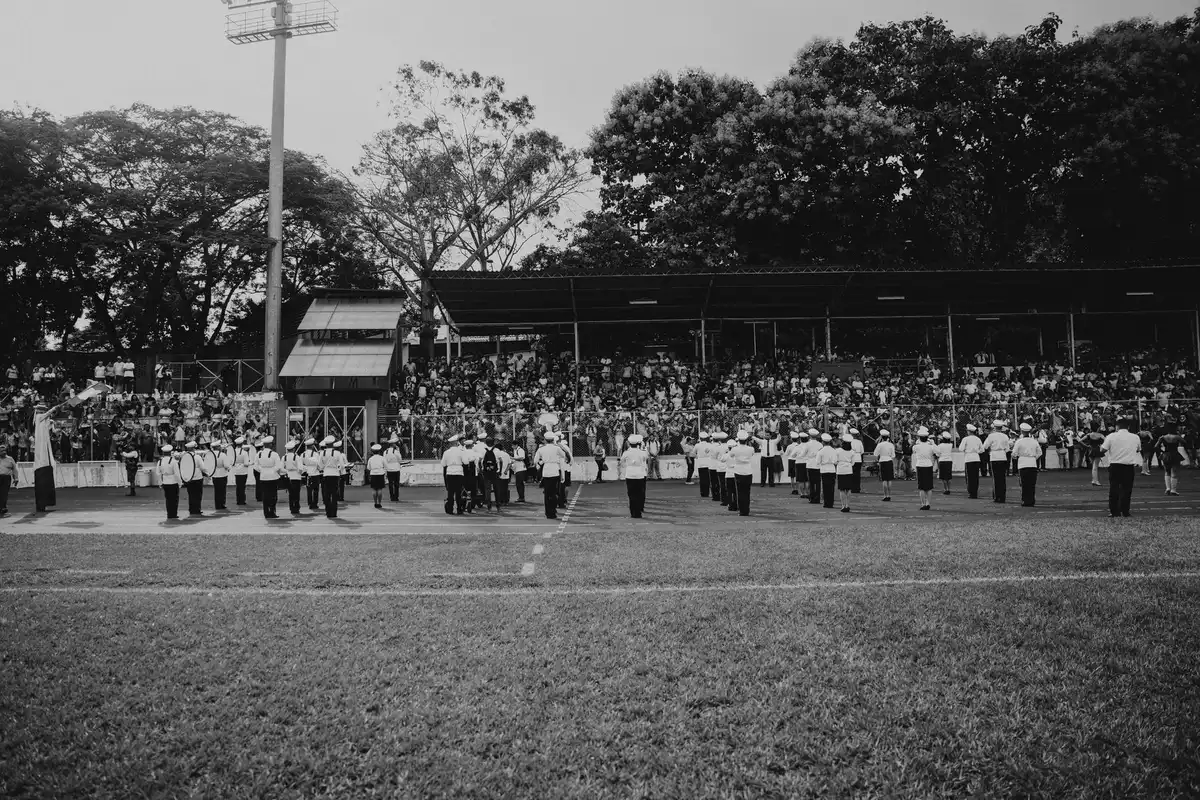
Marching band combines precise choreography, loud brass and hours of rehearsal — and yet most schools treat it as an arts activity, not a sport. That distinction matters now because how marching band is classified affects funding, safety oversight and who gets access to athletic-level resources.
Why schools and national bodies treat marching band as a performance
National organizations that work with high schools frame marching band primarily as music education. They provide lesson plans, safety guidance and standards for competitions, but they stop short of designating it an athletic program.
Officials say the activity’s core mission is musical and artistic: instruction, ensemble technique and concert-quality performance are the driving goals, even though shows require coordination and physical conditioning. That institutional framing influences how districts assign staff, budget lines and liability coverage.
The case for calling it athletic
At the same time, the demands placed on many students mirror those of athletes. Marching shows often require long rehearsals, heavy equipment and complex movement patterns that must be executed with precision under pressure.
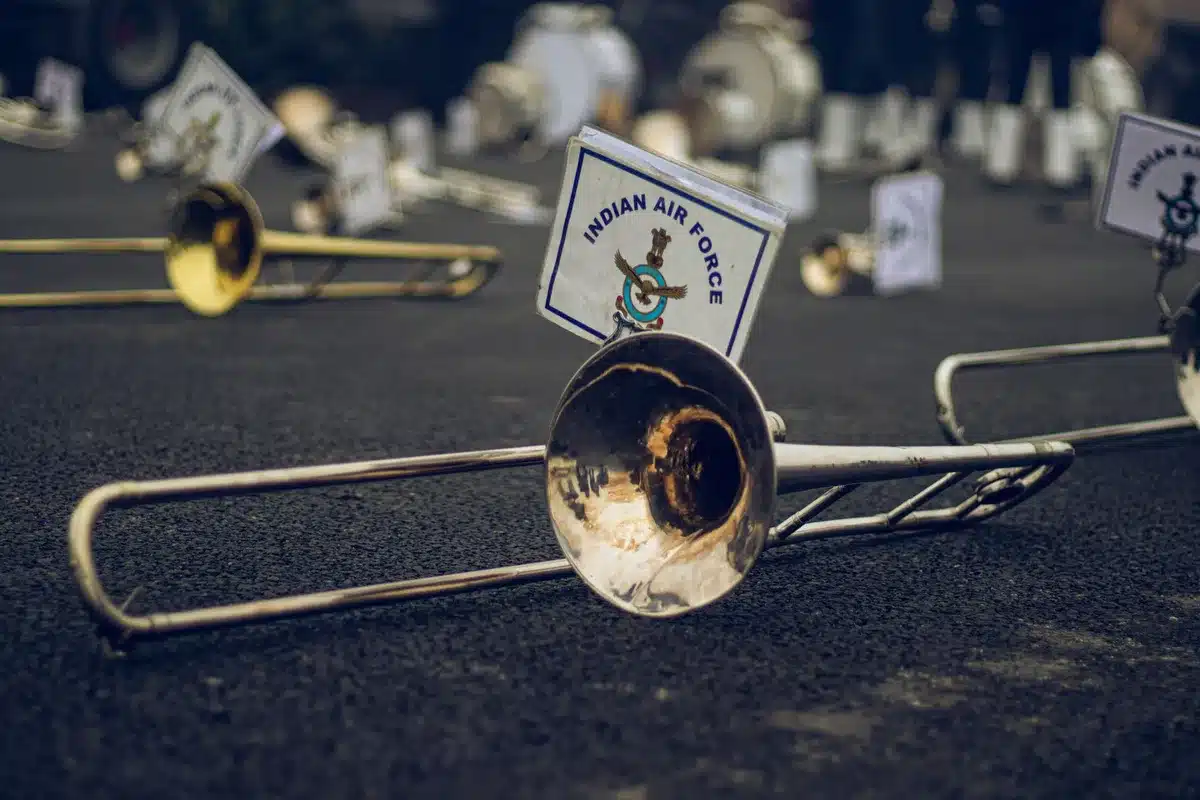
Professional corps and elite college programs highlight this intensity: participants are expected to be in top physical shape and prepare for multiple hours of strenuous rehearsal daily. Conditioning, endurance and injury prevention are part of the job — not optional extras.
- Physical demand: Carrying tubas or marching with percussion involves sustained strength and cardiovascular work.
- Safety and training: Structured warm-ups, conditioning plans and medical protocols are increasingly common.
- Funding implications: Classification affects whether programs can access athletic budgets, travel support and facility time.
- Title IX and equity: How activities are counted can influence gender-equity calculations and program offerings.
What this means for students, programs and administrators
For students, the debate isn’t just semantic. If marching band is recognized like a sport, members could gain access to sports trainers, priority scheduling for fields and potentially different scholarship or recognition pathways. Conversely, keeping it within arts departments preserves its educational focus on musicianship and performance studies.
Administrators must weigh competing priorities: protecting student health, honoring artistic goals and managing budgets. Many school systems have chosen hybrid approaches — athletic departments support conditioning while arts faculty retain curricular control — creating a patchwork of policies across districts.
Where the debate is headed
Expect more schools to revisit their classifications as marching ensembles become more athleticized and as parents and students press for equal access to sports resources. Policymakers and education leaders will need clear guidelines that balance artistic aims with the real physical risks and training needs of participants.
The bottom line: whether marching band is labeled a sport may change what protections and support students receive — and that choice has concrete consequences for safety, funding and opportunity.