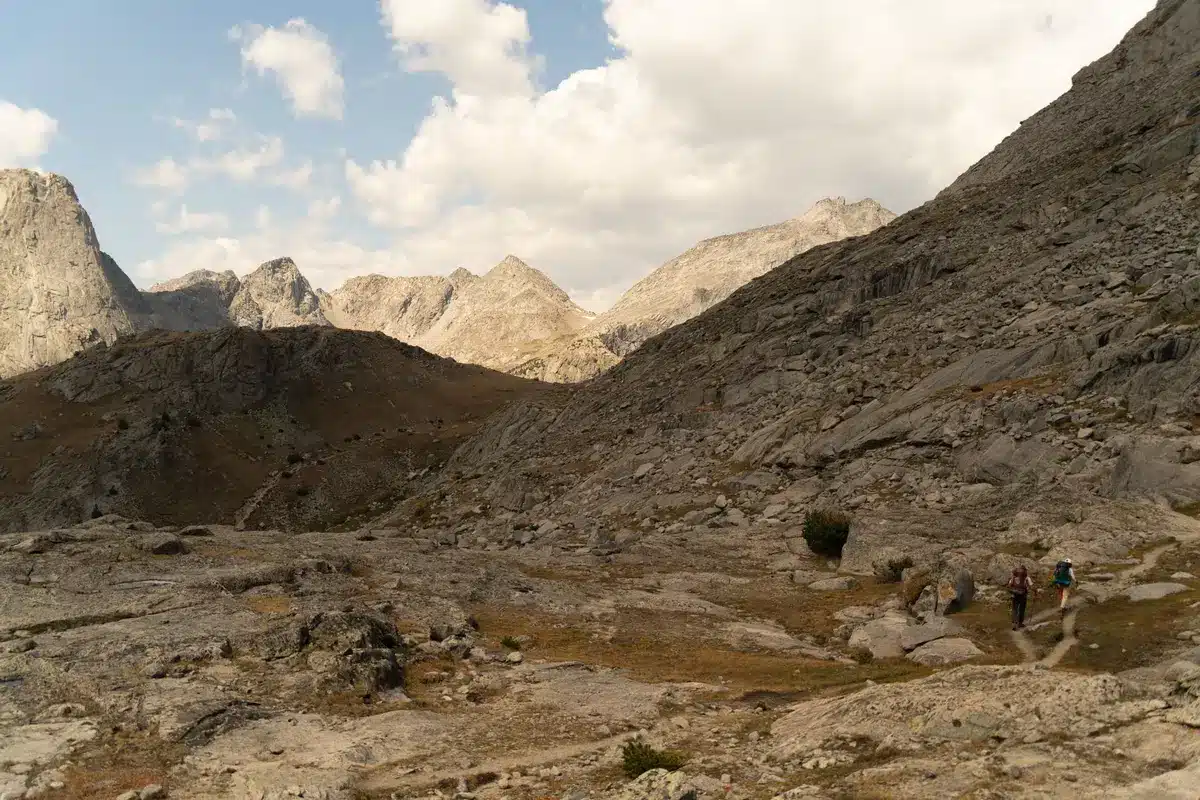
Bear Grylls has once again returned to the format that made him a household name: leading on-camera participants into remote terrain to test endurance, decision-making and teamwork. The approach — part survival lesson, part character study — continues to shape how broadcasters package adventure television and how audiences judge authenticity on screen.
Over two decades, Grylls has turned survival skills into a reliable television formula. Whether under his guidance celebrities face nights without shelter or crews simulate emergency scenarios, the core appeal remains the same: viewers watch ordinary people pushed out of comfort zones and learn something about resilience, leadership and practical survival techniques.
What this format delivers — and why it still matters
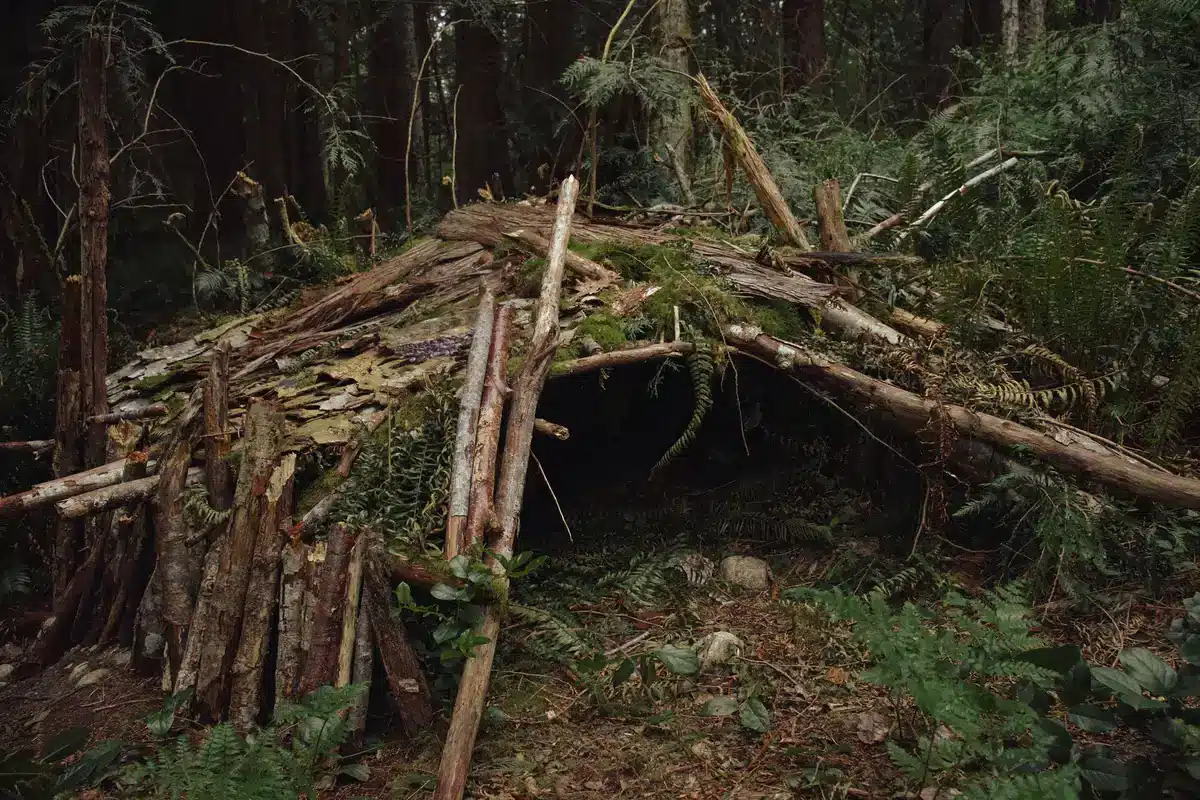
At its best, survival television offers practical takeaways alongside human drama. On-screen challenges highlight simple but transferable skills — navigation, shelter building, water sourcing — while editors shape a narrative arc that keeps viewers engaged. Producers, meanwhile, balance spectacle and safety, which is increasingly scrutinized by regulators, participants and audiences alike.
For broadcasters and streaming platforms, these programs deliver dependable viewership. The mix of celebrity names and real physical risk tends to attract social conversation, driving short-term spikes on social platforms and longer-term interest in related content such as how-to clips and companion podcasts.
- Viewer takeaway: Practical survival tips packaged with celebrity-driven human interest.
- Production priorities: Safety protocols, medical teams, and contingency planning behind the scenes.
- Commercial impact: Strong potential for short-term ratings boosts and ancillary content revenue.
- Criticisms to watch: Questions about authenticity, participant consent, and environmental footprint.
Not every moment on these shows is raw or improvised. Experienced production teams rehearse scenarios, vet terrain, and embed safety specialists long before cameras roll. That can blunt genuine danger, but it also reduces the risk of serious harm — a necessary trade-off when physical stressors are central to the program.
Ethics, authenticity and audience expectations
Audiences increasingly demand transparency. After several high-profile controversies in reality and adventure TV, viewers want clearer signals about what is staged versus spontaneous. This matters because perceived deception reduces trust — and trust drives repeat viewing.
There are also ethical questions about the environmental impact of filming in fragile ecosystems. Responsible productions now plan with minimal footprint in mind: limiting crew size, using existing trails, and coordinating with local conservation authorities. How producers address these concerns affects public perception as much as on-screen drama.
Finally, the psychological welfare of participants has come under greater attention. Extended exposure to stress on camera can have lasting effects, and networks are increasingly expected to provide mental health support during and after production.
What to look for in upcoming episodes
Even if you’re not a survival enthusiast, there are clear signs that distinguish thoughtful programming from simple spectacle. Pay attention to:
- On-screen acknowledgements of safety teams and medical oversight.
- Behind-the-scenes segments that explain editing choices and stunt preparation.
- Coverage of environmental safeguards and local community consultations.
- Post-episode follow-ups about participants’ recovery and reflections.
For journalists and critics, the evolving standards around transparency and welfare create new beats to follow. For viewers, the question is practical: does the show teach something useful, or is it primarily engineered for shock value?
Bear Grylls’ long-running presence in survival television means he frequently anchors those debates. Whether you tune in for survival tips, personal stories, or the spectacle, these programs continue to shape expectations about risk, responsibility and storytelling on modern television.