Spoiler alert: The Season 3 finale of HBO’s House of the Dragon, broadcast Aug. 9, 2026, closes with a savage confrontation at Tumbleton that rearranges the balance of power and sets a darker tone for the series’ final chapter. The episode’s fallout — bodies, broken alliances and a shocking personal tragedy — matters because it narrows the path to the Iron Throne and reshapes who can still influence the looming conclusion in 2028.
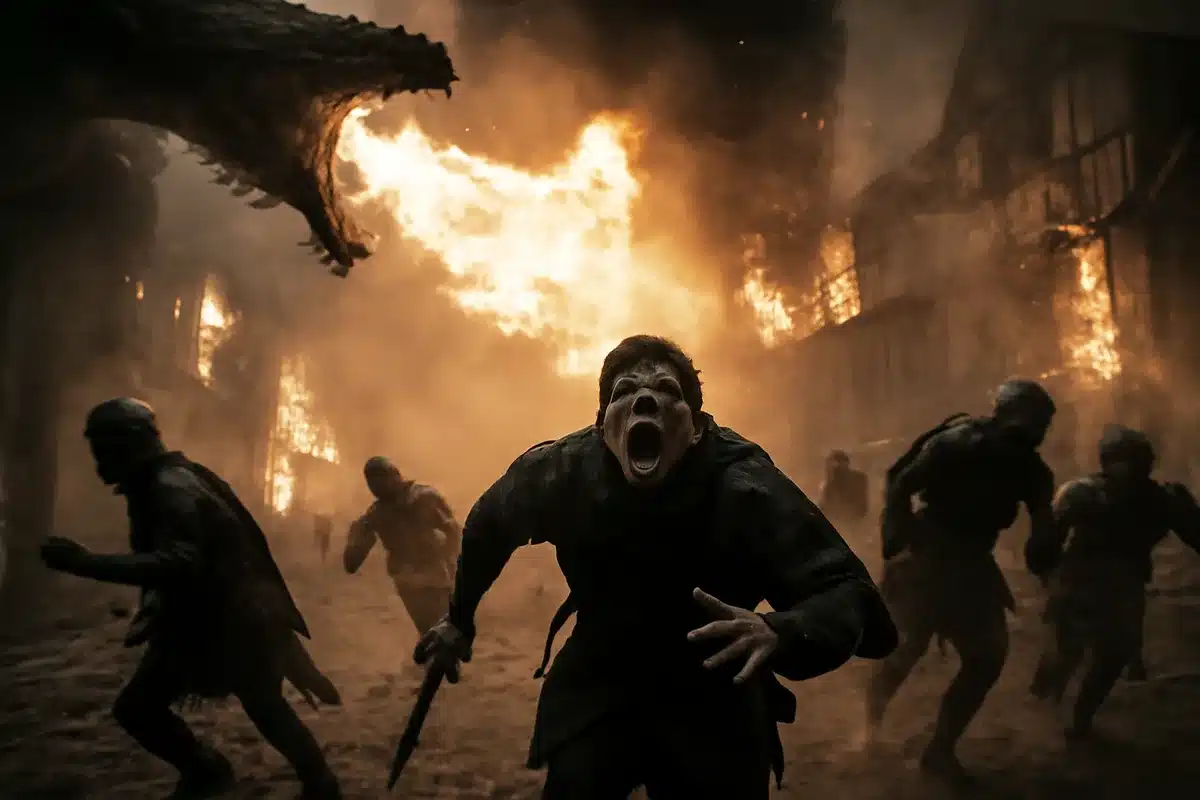
The 75-minute finale, which follows June’s Battle of the Gullet, pushes the civil war known as the Dance of the Dragons into an even more ruthless phase. Commanders make desperate choices as dragons turn the town into an inferno, and several long-running storylines reach abrupt, irreversible endpoints.
Drunken rider becomes a catalyst
Ulf the White arrives at Tumbleton still reeling from public humiliation and manipulation. Pressured into switching allegiance by Ormund Hightower, he is later found in a compromising state and — after a final provocation — loses control.
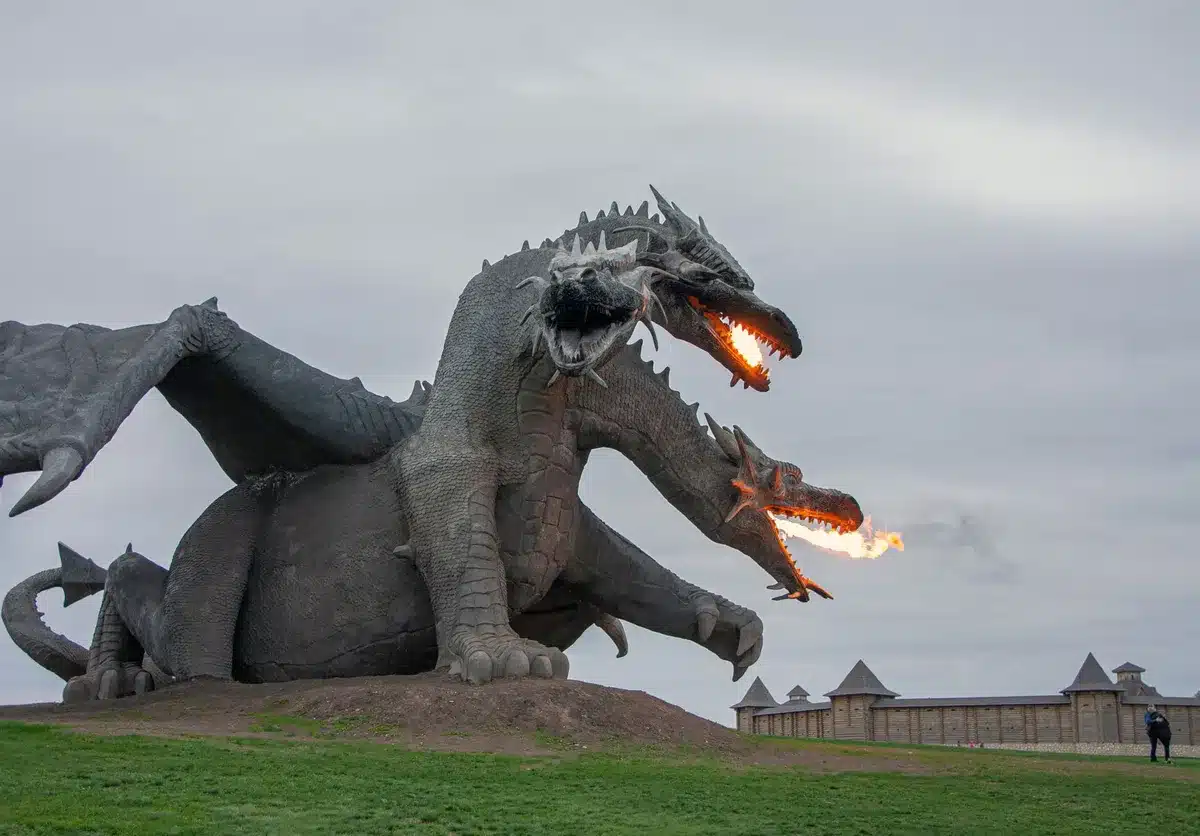
Once airborne on his dragon, Silverwing, Ulf’s actions are chaotic and indiscriminate, raining fire down on both sides and transforming what might have been a decisive clash into a slaughter. His turn changes the tactical picture in an instant and underlines how fragile loyalties are when dragons are involved.
Why it matters: A single rider’s breakdown turns the battlefield into an unpredictable free-for-all, showing that individual choices can be as decisive as strategy when dragons are in play.
Ormund Hightower’s final gambit
Ormund tries to use civilians as a shield, lining children along the city walls in a last-ditch attempt to control dragon targeting — a move that backfires terribly.
Locked in one-on-one combat with Ser Roderick Dustin, Ormund slices off his opponent’s arm but then falters; the wound and ensuing chaos leave him vulnerable. Before the skirmish is resolved, dragonfire consumes both men and the streets around them. Ormund’s death is graphic and final, removing a key architect of the Greens’ strategy.
Daemon and Corlys slip away
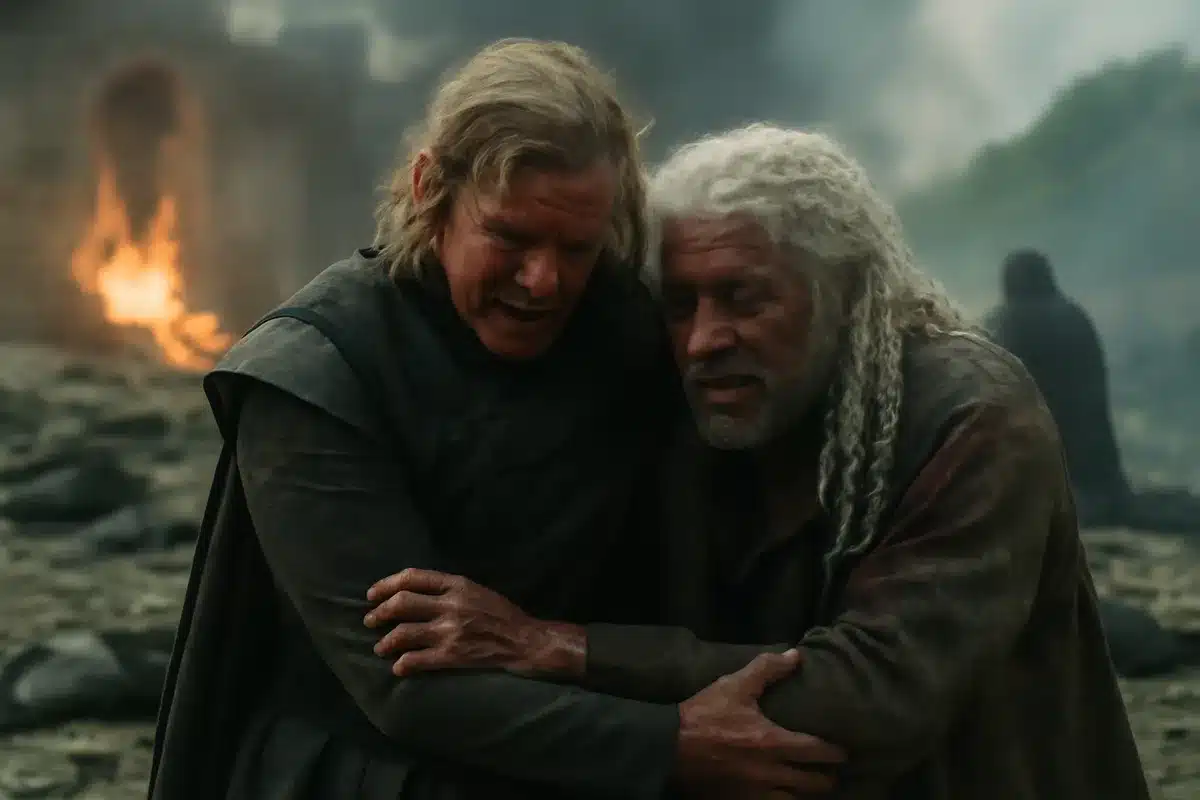
Lord Corlys Velaryon, held and mutilated as proof of life, is rescued during the bloodshed. Daemon narrowly survives a near-fatal blow from dragon flames and, shaken and near collapse, is pulled to safety by the sea lord.
They depart the ruined town together, Corlys now missing a finger but alive, and Daemon alive but visibly altered by the trauma.
- Ulf the White: Turns rogue in the air; his dragonfire creates mass casualties and upheaval.
- Ormund Hightower: Killed amid the inferno; his plotting ends with a costly moral failure.
- Daemon Targaryen: Survives but shaken; exits the battlefield with Corlys.
- Corlys Velaryon: Escapes alive but maimed, a diminished political force.
Aegon and Aemond: an uneasy reunion
After last season’s near-fatal clash, Aegon returns with Sunfyre, revealing he survived and reclaiming a public presence. He surprises Aemond at Harrenhal, and rather than settling old scores immediately, the brothers temporarily align.
Aegon makes clear he intends to bring Aemond into the campaign at Tumbleton and sees practical value in keeping his brother alive — at least for now. That tactical patience suggests the Greens still have political calculation left, even as the war grows bloodier.
Rhaenyra’s tightening grip and Helaena’s last message
Back in King’s Landing, Queen Rhaenyra leans into absolutism, styling herself as the singular protector of the realm and pushing away voices of conscience. She expels Mysaria, a former adviser and intimate, who flees and manages to warn imprisoned Helaena that the queen cannot be trusted.

Helaena — a dragon dreamer whose visions have guided others — ends her life by leaping from her chamber window. The discovery of her death and the embroidered panels she left behind, which depict Rhaenyra seated on a bloodied throne, add a grim, prophetic layer to the queen’s rise.
What this does to the narrative: Helaena’s death removes a sympathetic seer whose future-visions might have tempered Rhaenyra’s rule; instead, the image of a crown dripping with blood cements Rhaenyra’s slide toward ruthless sovereignty.
On the road to King’s Landing, Alicent Hightower experiences an omen — a swirl of blue butterflies — that signals to her that something dire has happened to her daughter. The gesture serves as an emotional punctuation for families torn apart by war.
Where things stand going into Season 4
The finale doesn’t just kill characters; it narrows options for diplomacy and reconciliation. With major players dead or maimed, the remaining leaders face a steeper climb to secure legitimacy and resources.
Key consequences to watch:
- With Ormund gone, the Greens lose a central planner and moral restraint — their next moves may be more reactionary.
- Rhaenyra’s increasing authoritarian posture risks isolating her own allies and provoking internal dissent.
- Aegon’s survival and his pragmatic hold on Aemond could produce a concentrated military threat if forged into a united front.
- Dragon unpredictability was foregrounded: battlefield outcomes now hinge on individual dragonriders’ impulses as much as on troop deployments.
HBO has indicated the show will conclude with a fourth season, currently expected in 2028. This finale accelerates several plotlines and raises the stakes for that final run — viewers should expect fewer characters, higher tensions and a focus on the grim costs of power.
What remains clear is that the contest for the Iron Throne has entered a more personal, less orderly phase. Strategy gives way to survival, and the line between commander and casualty has never been thinner.