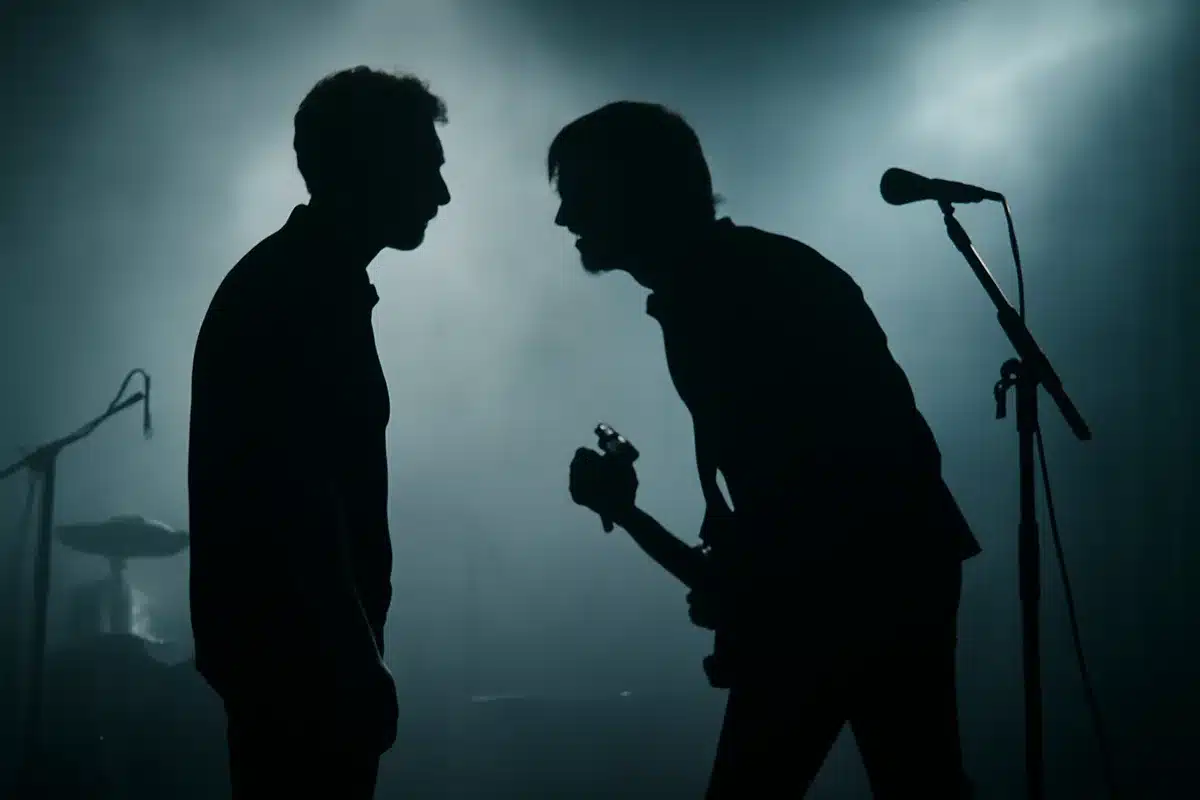
After more than three decades since their breakthrough, two members of the Fugees signaled this week that a return to the studio could be imminent — a development that would matter not only to longtime fans but to the wider music industry given the group’s enduring influence. In a BBC interview ahead of Lauryn Hill’s Diaspora Calling! concert at Milton Keynes National Bowl on Aug. 7, Wyclef Jean and Hill described a renewed creative chemistry and left the door open for new material tied to their iconic 1996 album The Score.
The Score reshaped mainstream hip-hop and R&B when it arrived, and any follow-up would carry cultural and commercial weight: revived streaming interest, festival bookings and potential archival releases. Wyclef told the BBC the pair are in an “amazing place,” while Hill offered a clear affirmative when asked about future music, signaling that a collaborative project is now a live possibility.
Jean went further, hinting at conversations about material that was never formally released from the original sessions — outtakes and improvised recordings that could be curated for fans. He framed the moment as one of renewed energy and mutual healing after years of tension that followed the band’s breakup.
Not all three original members are currently in the same position to participate. Pras Michel, the group’s third member, is serving a 14-year federal sentence after being convicted on multiple counts related to a foreign-influence conspiracy. His absence has affected recent reunions and leaves questions about how a full reunion might proceed.
Those uncertainties have not stopped sporadic reconnections. The Fugees have reunited onstage several times since their split: a surprise appearance during Dave Chappelle’s Block Party in 2004, a medley at the 2005 BET Awards, the one-off single “Take It Easy” before a fractious 2005–06 tour, and a set at Global Citizen Live in 2021. In 2023, Hill marked the 25th anniversary of The Miseducation of Lauryn Hill with a tour that briefly involved both Jean and Pras, though Pras’s legal problems curtailed further participation. Recently, Jean has appeared alongside Hill at events including a family-backed Coachella appearance in 2024 and a tribute performance at the 2026 Grammys.
Their remarks to the BBC suggest any forthcoming activity could take several shapes rather than a single, definite plan. Jean mentioned the possibility of revisiting archival recordings while both artists spoke about a healed relationship that could support new creative work.
What to expect next
- New studio recordings: Hill and Jean’s comments make a new album plausible, though timing and scale remain unclear.
- Archival releases: Outtakes or freestyles from the original sessions may be polished and issued, which would appeal to collectors and streaming audiences alike.
- Touring and live appearances: Renewed collaboration could lead to festival dates or a formal tour, although Pras’s legal status complicates a full original-lineup comeback.
- Commercial ripple effects: Even hints of new Fugees activity typically boost catalog streams and media attention for related solo projects.
- Legal and logistical caveats: Any public plans will likely have to navigate contractual, rights and personal-availability issues before a major release is confirmed.
For listeners and industry observers, the stakes are both sentimental and practical. A new Fugees project would reconnect a milestone act with today’s streaming-driven marketplace, potentially introducing their music to younger audiences while reshaping legacy revenue streams. It would also test how an older act balances archival releases with fresh creative output.
For now, the message from Hill and Jean is cautious optimism: a restored partnership and ongoing conversations rather than a finished album. Fans should watch official channels for announcements, and expect incremental updates — small releases or tour dates — before any major project is unveiled.
Whatever emerges, the prospect of renewed Fugees activity is a reminder of how influential records can sustain cultural momentum for decades and how reunions now play out in a music business that looks very different from the one that greeted The Score in 1996.