Decades after his death, the 1996 shooting of Tupac Shakur remains a focal point of criminal probes, courtroom maneuvers and public debate. The case’s renewed legal attention matters now because it tests how cold-case investigations, witness accounts and new admissions can translate into modern prosecutions — and because it continues to shape conversations about accountability in hip‑hop culture.
Quick timeline: key moments
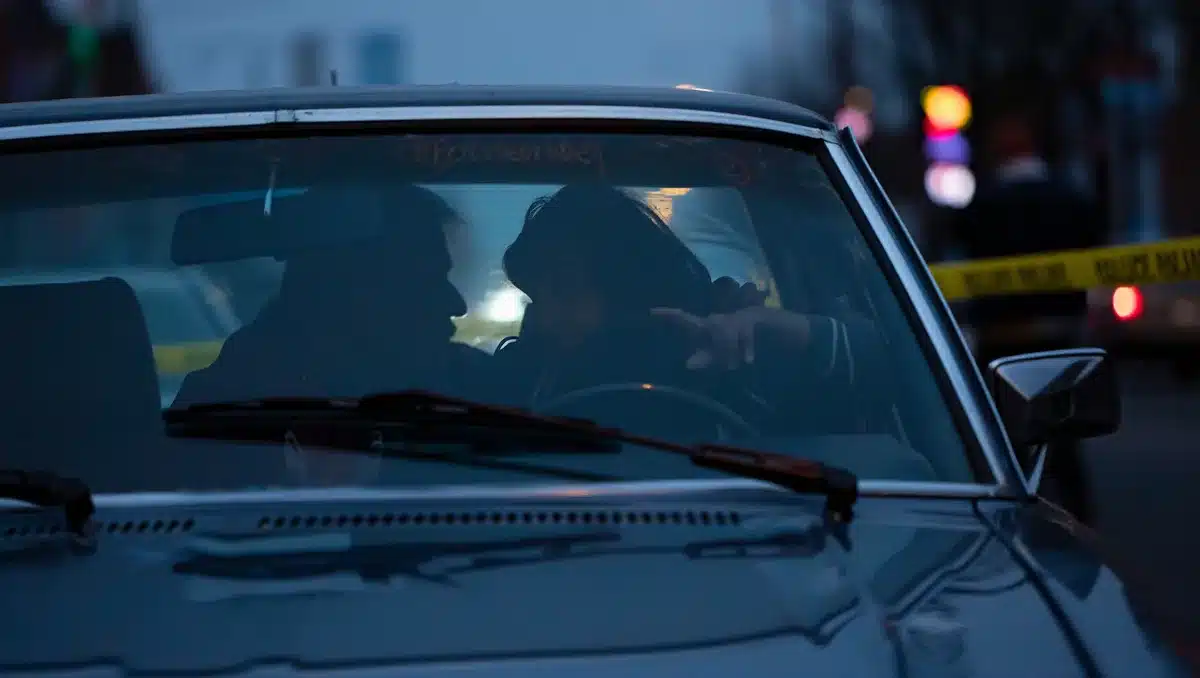
On Sep. 7, 1996, Tupac Shakur was shot in a drive‑by attack in Las Vegas and died six days later. The incident occurred near the Las Vegas Strip after a boxing match; Shakur was riding in a vehicle with Death Row Records co-founder Marion “Suge” Knight. Over the following decades, the investigation produced leads, disputed accounts and intermittent public statements by people claiming knowledge of the events.

- 1996: Shooting on the Las Vegas Strip; Tupac dies on Sept. 13.
- Late 1990s–2000s: Orlando Anderson, a Las Vegas gang member, is long suspected but is never charged and dies in 1998.
- 2010s–2020s: Investigators revisit leads; several people give media interviews claiming involvement or knowledge.
- Present: Legal actions and public statements continue to push the case back into headlines, prompting renewed scrutiny of evidence and witness credibility.
Who law enforcement has focused on
Authorities have concentrated on a small circle of people connected through rivalries and Las Vegas gang networks tied to the East Coast–West Coast rap feud of the 1990s. One figure who has drawn particular attention in recent years is Duane “Keffe D” Davis, who has publicly said he was present the night of the shooting and has discussed the identities of those involved in interviews. Because key suspects have died or remain unreachable, prosecutors face classic cold‑case problems.
What prosecutors must prove
To succeed in a murder prosecution in this case, prosecutors must link a specific defendant to the shooting with admissible evidence that meets the criminal standard of proof beyond a reasonable doubt. That typically requires:
- credible eyewitness testimony or confessions;
- forensic or surveillance evidence tying a suspect to the crime scene or weapon; and
- corroboration that reduces the risk of unreliable or self-serving statements.
In long‑running investigations, each of these elements faces extra scrutiny: memories fade, records degrade and key witnesses may be unavailable. Still, modern investigative techniques and fresh testimony can change the picture years after a crime.
Evidence highlighted in public reporting
Public accounts and limited official disclosures have cited several types of material investigators consider relevant: surveillance footage from near the shooting site, ballistics analysis from recovered evidence, contemporaneous police reports and later statements from individuals who claim to have been present or implicated others. Prosecutors must decide which pieces are admissible and how to present them in court without relying solely on decades‑old recollections.
At the same time, defense teams can challenge the weight and reliability of late‑breaking testimony and try to undermine chain‑of‑custody or forensic links that were never definitive.
Legal and practical hurdles
Prosecuting a decades‑old homicide carries several predictable difficulties.
- Witness reliability: Human memory degrades, and recollections can be contested in cross‑examination.
- Evidence preservation: Physical items and video records may be incomplete or degraded.
- Dead suspects: When a central suspect is deceased, courts and juries lack the ability to test competing narratives directly through that person’s testimony.
- Publicity and bias: High‑profile cultural weight around the case can influence potential jurors and complicate fair trial concerns.
Why this matters beyond one courtroom
The legal maneuvering around the Tupac case touches on broader issues: how the justice system handles cold cases, the limits of retrospective confessions and the cultural demand for closure in crimes that reshaped music and community life. For many fans and family members, legal proceedings represent the only channel left for answers and accountability.
What to watch next
- Whether prosecutors bring formal charges against named individuals and, if so, the specific counts filed.
- How courts rule on the admissibility of late statements, recorded interviews and any forensic links presented by investigators.
- Pretrial motions that could determine what evidence reaches a jury and whether trials take place locally or are moved due to publicity.
- Statements from victims’ families and defense attorneys, which often clarify the human stakes behind legal papers.
As the matter continues to evolve, reliable details will come from court filings, official police statements and evidence introduced at trial. For readers following the story, the key questions are straightforward: can prosecutors assemble admissible, corroborated proof that meets the criminal standard, and will the legal process finally provide the clarity that has eluded the case for nearly three decades?