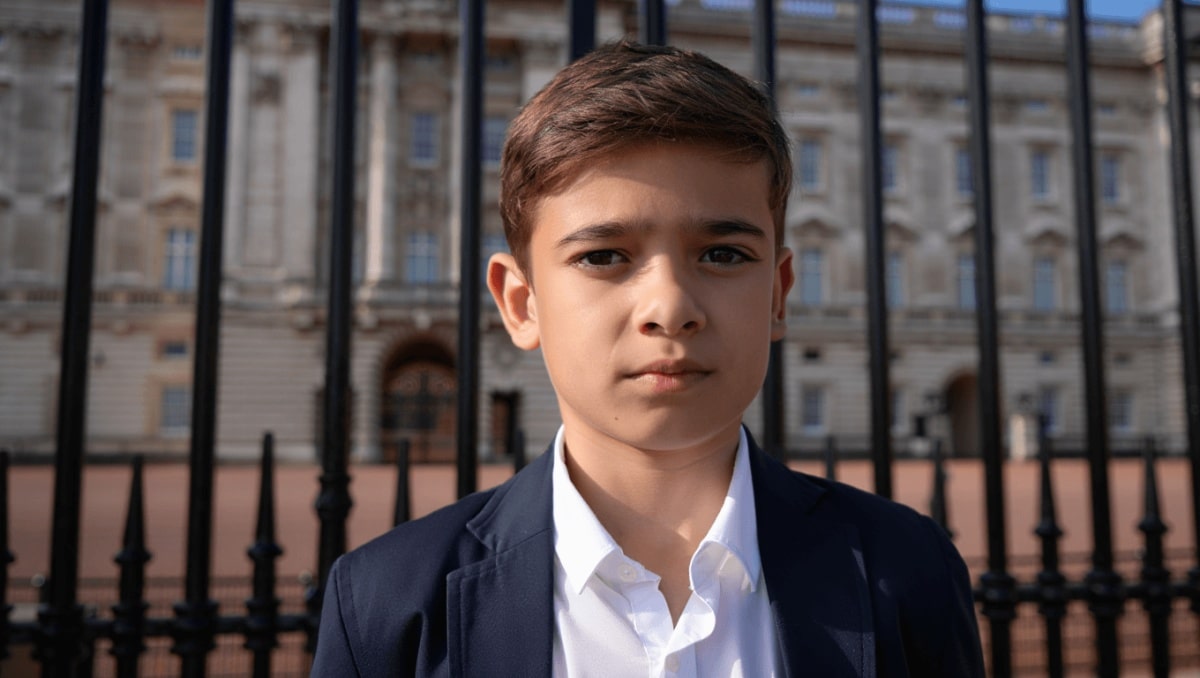
Prince George turned 13 on July 22, marking the start of adolescence for the boy who is second in line to the British throne — and bringing a new set of choices that will shape his future role. How his parents raise him, the education he receives and expectations around public service will influence not only his life but the institution he may one day lead.
William and Catherine have spent years shielding their children from nonstop public scrutiny, but the coming years will steadily expand George’s responsibilities. He is moving from a largely private childhood toward a life where schooling, public engagements and long-standing royal traditions intersect with a modernizing agenda at the top of the family.
Growing up in the public eye — but with limits
George’s upbringing has been carefully managed to preserve as much normality as possible. His parents have prioritized family time, schooling in community settings and low-key public appearances. Still, being a direct heir carries structural pressures: there are relatively few active senior royals under 60, and the Wales children represent the most likely generation to fill frontline duties in coming decades.
That reality creates a tension. On one hand, William and Catherine have said they want their children to have choices. On the other, the monarchy’s workload and ceremonial obligations could narrow those options as the children mature.
Schooling: a move with history and proximity
This autumn George is set to begin at Eton College, the storied boys’ boarding school that educated his father and other members of the extended royal family. Eton, which accepts students from 13 to 18, sits within reach of the family’s residence at Forest Lodge and has long connections to Britain’s political and social establishment.
Boarding fees run into tens of thousands of pounds annually and are expected to be covered by the family. For George, Eton will offer a traditional academic and extracurricular pathway — as well as daily exposure to new social networks and institutional expectations that come with elite schooling.
Military service: tradition, but not a certainty
Serving in the armed forces has been a customary step for many senior royals. Past generations combined military roles with public duties, and both King Charles and Prince William trained with the services. Historically, direct heirs were limited in front-line combat roles because of security and succession considerations.
Whether George follows that path will depend on personal choice and institutional needs. Military experience remains one of several routes through which members of the royal family have built public credibility and leadership skills, but it is neither the only nor an automatic option.
Charity and public service as preparation
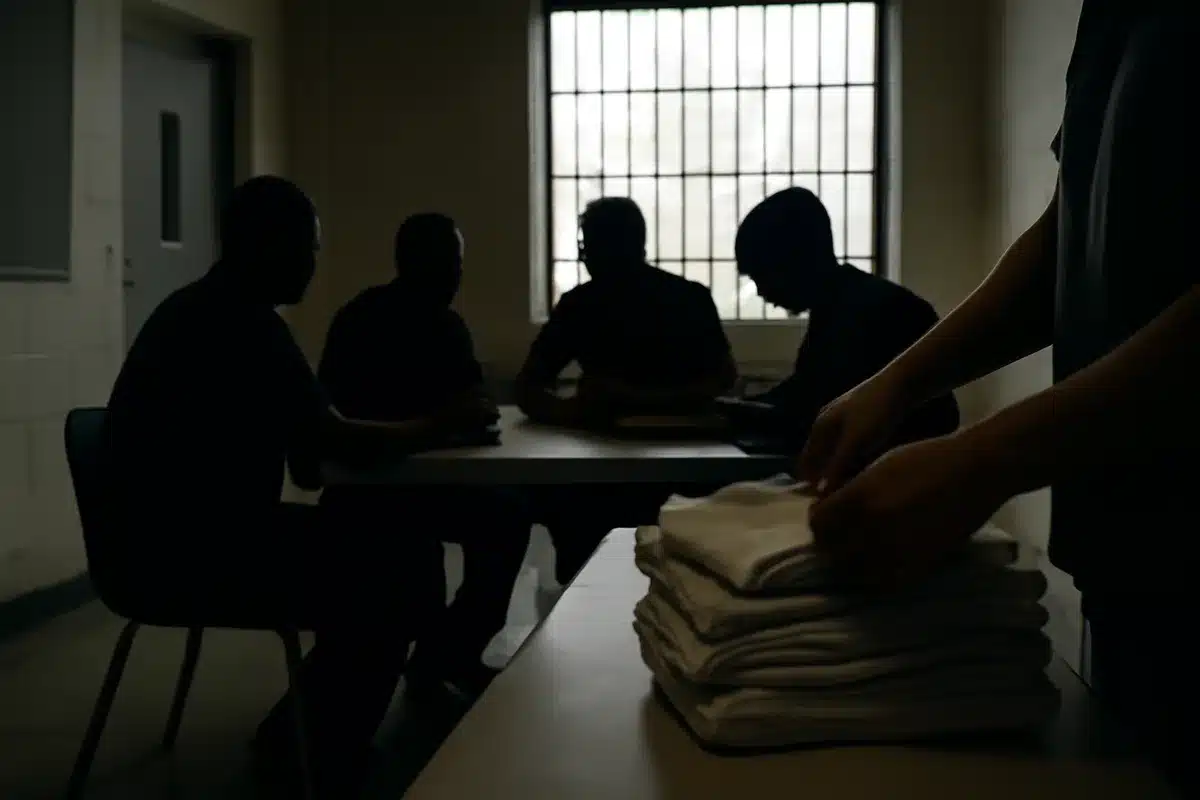
Charitable work often serves as a bridge between private life and official responsibilities. In December 2025, William took George to volunteer at Passage, a London homeless charity with which William has long been associated. The visit — where father and son helped prepare meals — echoed a family pattern: public service paired with hands-on involvement.
Such early exposure to charities gives George practical experience and a sense of causes his family champions. His parents have also signaled an interest in reshaping the monarchy’s role to be more directly relevant to public needs, which could inform the kinds of campaigns and patronages George inherits.
- Education: Transition to Eton in September — rigorous academics plus broad extracurricular expectations.
- Public duties: Gradual increase in appearances and engagements as he ages and completes schooling.
- Security & privacy: Heightened protection and less anonymity compared with peers.
- Service options: Military training is traditional but not guaranteed; other forms of public service remain possible.
- Impact on institution: The Wales children are likely to shoulder more of the monarchy’s visible work in a slimmed-down royal household.
These elements will shape not only George’s personal development but the future-day role of the monarchy. His parents appear intent on balancing respect for tradition with a desire to adapt the royal household to contemporary expectations of relevance and accountability.
Why this matters now
The choices made during George’s teens will influence how he relates to the public and the duties he may inherit. With a smaller cohort of active working royals, each decision about education, service and public engagement will have ripple effects for the institution’s capacity to meet both ceremonial functions and modern social priorities.
For observers and citizens, the coming years are a window into how monarchy and modernity will be reconciled — whether through continuity with past practices or by reshaping the role of a 21st-century sovereign to fit present-day expectations.
Watch for incremental shifts: the balance of private life and public duty, the types of causes George supports, and how his schooling and training prepare him for a role that remains both symbolic and consequential.