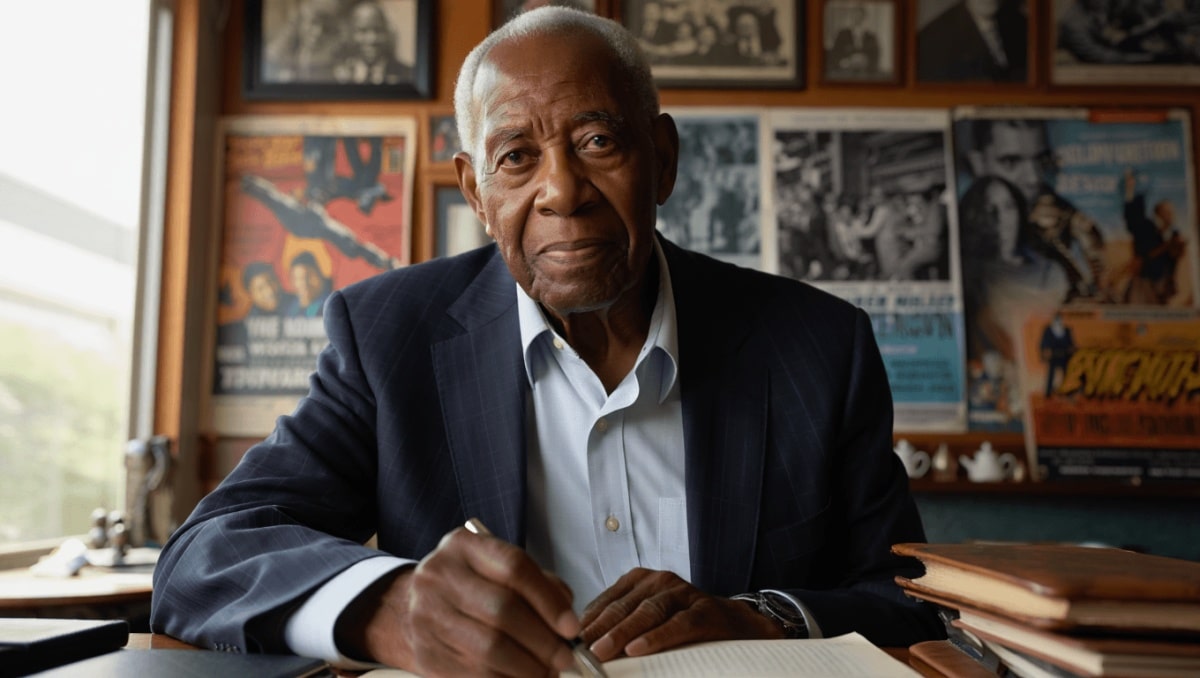
As he marks his 80th birthday on July 22, 2026, Danny Glover’s career reads like a guide to late 20th‑century American film — from intimate dramas to big‑budget action and persistent off‑screen activism. His work helped reshape on‑screen representations of Black men in Hollywood while also carving out a public role that reaches beyond entertainment.
Glover arrived in film after years onstage, bringing a steady, lived‑in presence that directors used in very different ways: as a moral center in dramas, a weary straight man in comedies, and a weathered hero in action pictures. That adaptability made him a recognizable face across genres and generations of audiences.
Signature roles and enduring moments
To many viewers, he will always be Lieutenant Roger Murtaugh, the family man and reluctant partner who anchored the Lethal Weapon series. Those films popularized a template — the equal‑parts humor and danger of the buddy‑cop picture — in which Glover’s grounded performance balanced his co‑star’s volatility.
But his range extends well beyond that franchise. In smaller, character‑driven films he offered quiet, complex portrayals that earned sustained critical attention and helped broaden mainstream ideas about masculinity and vulnerability on screen.
- Places in the Heart (1984) — Early dramatic work that placed him in serious, ensemble storytelling.
- The Color Purple (1985) — A high‑profile adaptation that highlighted his capacity for emotional depth.
- Lethal Weapon series (1987–1998) — The role that made him a household name and reshaped action‑comedy dynamics.
- Predator 2 (1990) — A move into sci‑fi/action that showcased his leading‑man toughness.
- To Sleep with Anger (1990) — A critically regarded turn in an intimate drama.
- The Royal Tenenbaums (2001) — An example of his later career willingness to take sharply written supporting roles.
Beyond the screen
Glover’s public profile has always included activism. He has used his platform to speak on labor rights, social justice and international human rights issues, often linking cultural work with political causes. That combination — artist and advocate — has been a throughline of his life in the spotlight.
He has also worked behind the camera and supported younger artists and filmmakers, helping sustain institutions and projects that expand opportunities for diverse storytellers. Those efforts have quietly shaped industry conversations about representation and access.
Why his 80th matters now
Turning 80 invites reassessment. It’s a moment for film programmers, critics and the public to revisit a body of work that straddles commercial success and smaller, riskier projects. It also highlights the continuing need to recognize artists whose influence reaches beyond box office totals.
For contemporary audiences, Glover’s career offers a reminder that mainstream fame and principled engagement need not be mutually exclusive. His films remain touchstones for discussions about race, genre and the responsibilities of public figures.
Whether remembered for one iconic partnership, a string of memorable supporting turns, or a lifetime of civic engagement, Danny Glover’s eight decades underline a simple fact: his presence has altered what Hollywood looks like and what it talks about.