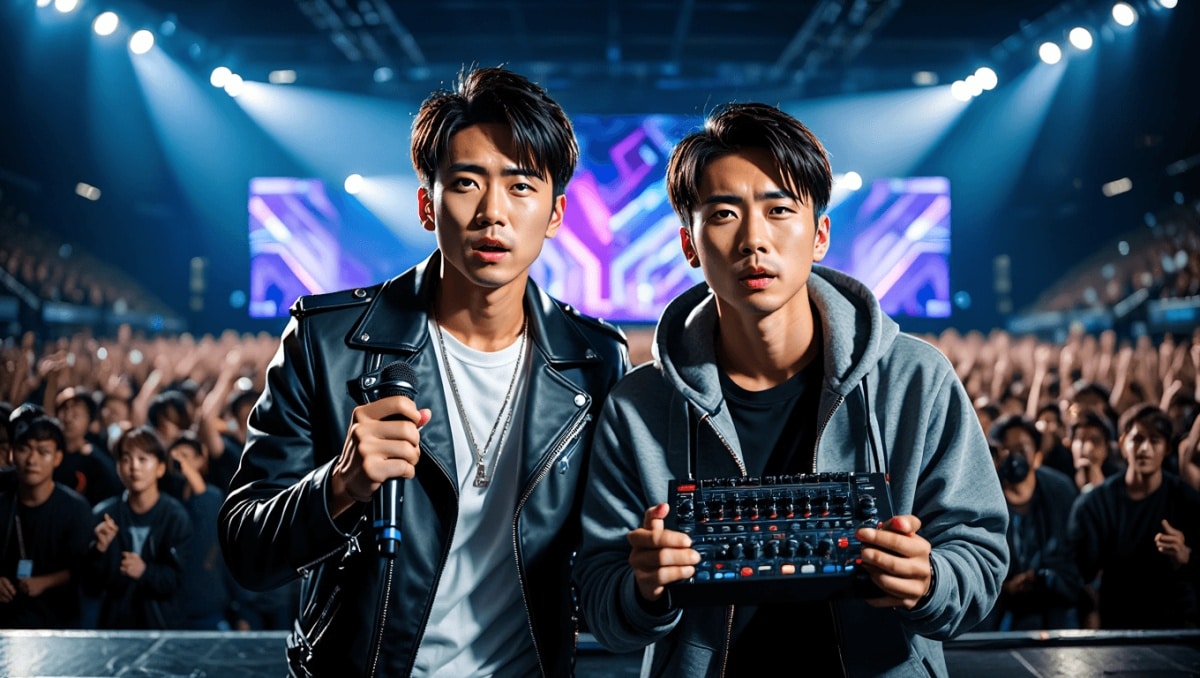
The Japanese hip-hop duo Creepy Nuts has begun a landmark North American run, bringing a decade of domestic hits and a Tokyo Dome headline to U.S. and Mexican stages this spring. Their April 10 appearance at Coachella and a packed show in New York on April 13 underscored a larger shift: Japanese-language rap is moving from festival curiosities to mainstream concertrooms abroad.
R-Shitei (MC) and DJ Matsunaga (turntablist), who rose to prominence with tracks such as “Bling‑Bang‑Bang‑Born” and “Otonoke,” opened the North America Tour in Indio before a three‑city sprint that included New York, Chicago and a Mexico City headline. The New York performance at Hammerstein Ballroom is the focus of this report because it distilled what the tour has been building toward: live proof that Japanese hip‑hop can translate emotionally and commercially outside Japan.
The set opened with “Biriken”, a song that in its lyrics traces the journey of the Billiken figure from America to Japan. Performed in New York, the number doubled as a symbolic circle — a U.S. cultural form exported, adapted, then returned by Japanese artists. It wasn’t just a clever touch: the crowd responded immediately, matching the energy the duo typically channels at home.
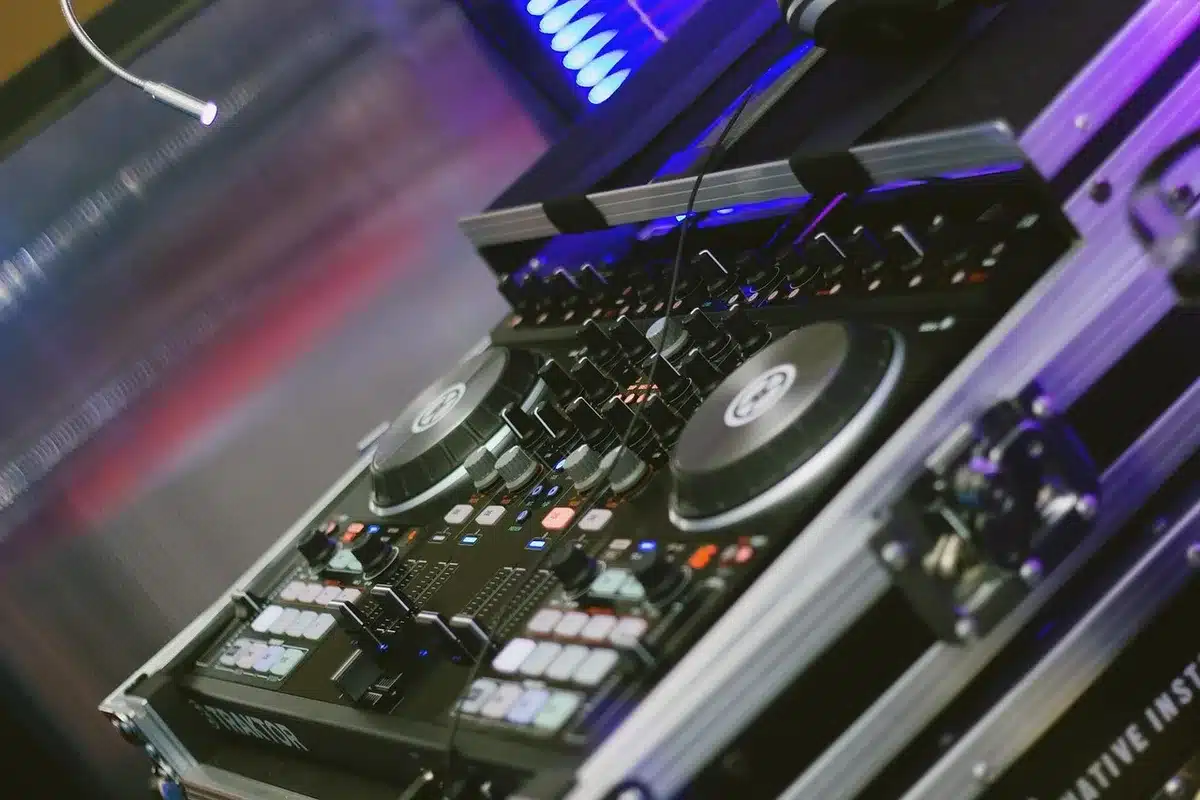
Short, call‑and‑response pieces and high‑tempo tracks kept the room engaged. DJ Matsunaga’s scratching and rhythmic fills framed R‑Shitei’s precise delivery, and the pair alternated between Japanese and broken English to bring the audience along without losing the songs’ original character.
- April 10, 2026 — Coachella, Gobi Stage (Indio, CA) — tour kickoff
- April 13, 2026 — Hammerstein Ballroom (New York, NY) — headline show
- April 15, 2026 — Chicago (solo concert)
- April 17, 2026 — Coachella return (weekend 2)
- April 19, 2026 — Mexico City (headlining concert)
The middle portion of the New York set slowed into more melodic territory: four‑on‑the‑floor beats, turntable passages that doubled as counter‑melodies, and tracks that balanced low‑register rap with higher melodic hooks. A short trio of songs exploring themes of creation and identity registered with the crowd not because of language parity but because the arrangements and dynamics invited physical participation — swaying arms, synchronized clapping, full‑voice choruses.
A new composition premiered earlier on the tour — a darker cut titled “Fright”. Initially the room listened rather than moved, but as the arrangement unfolded the audience connected, demonstrating the duo’s ability to convert unfamiliar material into communal moments.
Onstage banter mixed humor and cultural translation. R‑Shitei pivoted between Japanese and English, joking about being misidentified and asking fans to “listen with your soul” if words didn’t land. Those moments felt intentional: they kept the show accessible while preserving the artists’ identity, a balance that is crucial for non‑English acts breaking into international markets.
The main set closed with an emphatic crowd favorite before the pair returned for an encore, giving the audience one more runthrough of their biggest single. The response — synchronized shouting of lyrics and hands raised across the venue — was a clear metric of success.
Industry implications are immediate. In September, Creepy Nuts are slated to join The Weeknd’s stadium tour for the Asian leg, beginning Sep. 19 at Saitama’s Belluna Dome. That slot exposes them to a larger, more diverse audience and signals recognition from major Western artists and promoters.
What this tour demonstrates goes beyond a single act’s triumph. It highlights several trends worth watching:
- Cross‑cultural circulation: Hip‑hop’s origin in New York and its evolution in Japan are converging as artists reintroduce localized forms back to Western stages.
- Live performance as translation: Even without full lyric comprehension, audiences respond to rhythmic structure, call‑and‑response formats, and performative cues.
- Festival to headline pipeline: A Coachella slot followed by standalone shows is an emerging path for international acts aiming to build sustained followings abroad.
For listeners and industry observers, Creepy Nuts’ North America run is a test case: can a Japanese rap duo use live momentum, festival visibility and strategic partnerships to carve out a lasting presence in global markets? Their immediate wins — packed venues and enthusiastic singalongs — suggest they can. How far that will translate into chart success, streaming growth, or more headline tours remains the next story to watch.