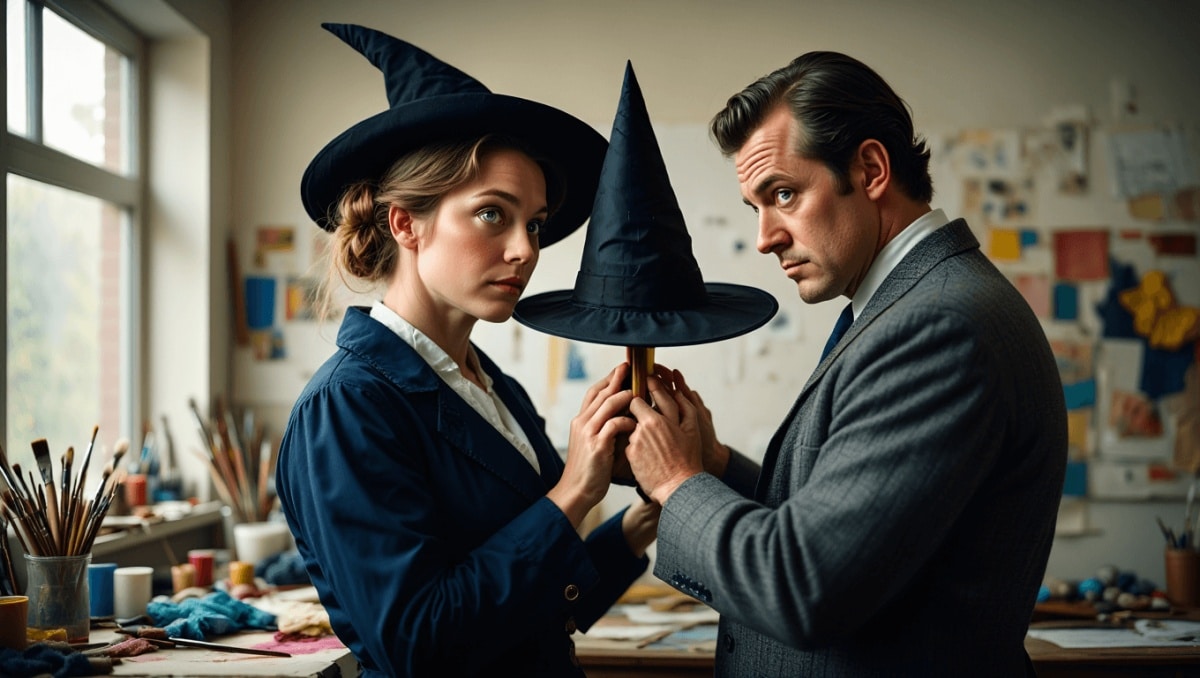
As this spring’s anime season unfolds, one pairing — the richly illustrated fantasy Witch Hat Atelier and the newly emerged singer-songwriter Nakamura Hak — has become a focal point for fans and critics alike. Their collaboration matters now because the music does more than close each episode: it reframes key moments, and it may propel a previously little-known artist onto an international stage.
Adapted from Kamome Shirahama’s acclaimed manga, the anime arrived with strong expectations. The source work has drawn praise from booksellers and award juries worldwide, and the TV version has only amplified that recognition with striking visuals and a willingness to explore the toll of magic on innocent lives.
At the center of that story is Coco, an apprentice whose well-intentioned mistake triggers a heartbreaking turn — a moment that the series’ closing songs underscore rather than soften. The music does not feel like background filler; it acts as an emotional afterword that lingers when the credits roll.
Nakamura Hak is a very recent arrival on the scene, notable for a sparse aesthetic: voice and acoustic guitar, recorded largely without post-production. Her recordings — and the anime endings she performs — are delivered in single, unretouched takes, a choice that gives them an exposed, immediate quality.
The three endings featured so far — Tada Utsukushii Noroi (often translated as “Simply Beautiful Curse”), Yoru ni Ukabu (“Floating in the Night”) and Hikari (“Light”) — dovetail with the show’s themes of hope, guilt and the ambiguous cost of power. In several scenes the lyrics echo plot beats, turning the songs into another layer of storytelling rather than a separate accompaniment.
Live, unplugged, and unmistakable
When Nakamura Hak stepped on a minimally lit rooftop in Tokyo for a Plugless performance — no microphones, almost no amplification — the effect was immediate. The set opened with “Seventeen,” a track from her debut EP Shiro wa Yume, and moved through the songs that anime viewers had already begun to associate with specific narrative moments.
Hearing the ending theme live changed the context: the song retained its links to the show but also stood alone as a personal statement. Listeners reported the same thing repeatedly — the feeling that the music was both part of the series and a confession written from the artist’s own past.
The concert’s intimacy mattered as much as the performance. With only her voice and guitar exposed, every crack, breath and held note became part of the storytelling, collapsing distance between performer and audience.
Why this pairing matters beyond fandom
There are concrete reasons to follow this collaboration beyond curiosity. The anime’s global profile can introduce Nakamura Hak to new listeners, while her raw delivery gives the show a distinctive tonal signature that critics and viewers keep talking about. Together they form a cross-medium example of how carefully chosen music can elevate serialized storytelling.
- For anime viewers: The endings deepen character moments — they’re worth rewatching with the credits on.
- For music fans: Nakamura Hak’s one-take songs offer a contrast to highly produced pop; live archive footage and her EP are primary entry points.
- For industry watchers: The collaboration demonstrates the promotional boost anime can give niche artists, especially when the work is already award-recognized.
Her early releases are on the Japanese label maximum10, and she’s already generating interest beyond anime circles. One of her tracks, “Zen to Aku,” is being used as an opening theme for the TV drama Lunacy, and a nationwide Plugless tour titled Itan is scheduled to run from September through January — a tour designed to be accessible to EP buyers on CD.
That strategy — pairing limited, low-tech live shows with carefully placed media syncs — suggests a deliberate path for building a sustainable audience without sacrificing artistic identity. For fans wondering where to start: the debut EP Shiro wa Yume, the Witch Hat Atelier ending credits, and the Plugless live archive are the clearest places to listen.
Perspective
Witch Hat Atelier’s awards and international attention give Nakamura Hak a rare platform at a pivotal moment in her career. If the anime continues to travel across regions, its musical collaborator is well-positioned to reach listeners who might never have discovered her otherwise.
Whether you come for the story or the songs, the pairing is a reminder that anime and music can amplify one another — and that a stripped-back vocal performance can cut through the noise of modern production in ways that matter to today’s audiences.