Nostalgia is shaping more than playlists — it’s influencing how couples imagine their weddings. A lighthearted trend asking couples to design their perfect ceremony and receive a matching 2000s romantic-comedy “universe” has resurfaced on social platforms, and it reveals how pop-culture memory is steering wedding aesthetics and social sharing today.
Why the 2000s rom-com vibe matters now
Platforms built for short, visual content have accelerated a return to early-2000s style: glossy cinematography, earnest meet-cutes and cinematic proposals are circulating again in feeds, wedding blogs and mood boards. For planners and couples, matching a wedding to a familiar film mood simplifies decisions and provides a shareable narrative that travels well online.
That matters because the choice of a theme affects vendor selection, budgets and how guests experience the day — it isn’t only a decorative impulse.
How the “plan your wedding, find your movie” idea works
The exercise is simple: choose a few core elements of your ideal day and let those choices point to a cinematic counterpart. The format is contagious on social platforms because it’s visual, quick and emotionally resonant: people can see themselves in a known story.
- Venue type — city loft, seaside chapel, rustic barn, luxury hotel
- Dress code — black tie, cocktail, boho, vintage-inspired
- Music style — indie singer-songwriter, pop hits, orchestral, DJ-led dance set
- Ceremony tone — heartfelt and earnest, tongue-in-cheek, dramatic, intimate
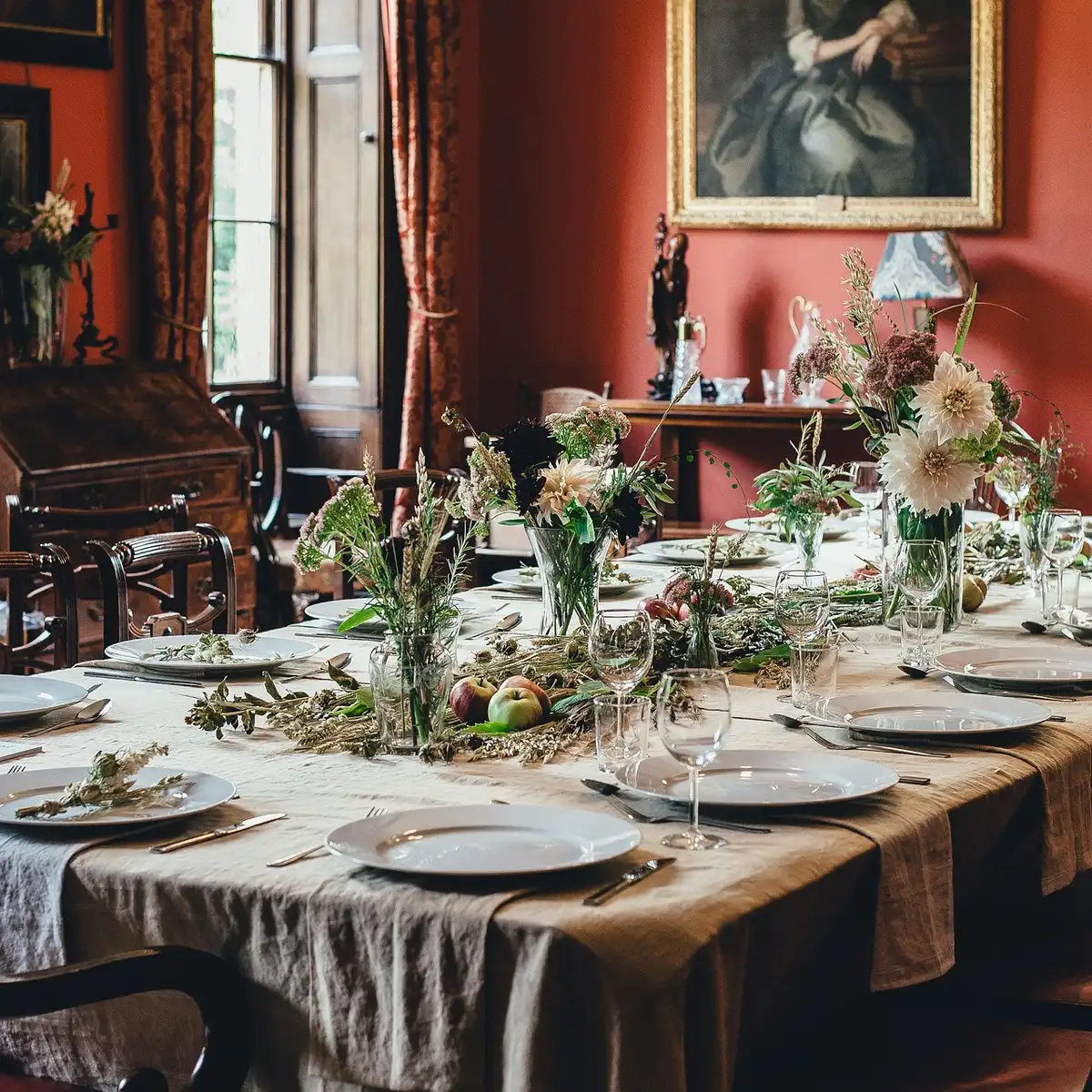
- Reception vibe — rooftop after-party, classic dinner, garden picnic, dance-first celebration
Pick options across those categories and you’ll get a short list of rom-coms that share the mood — each film suggesting a palette, soundtrack choices and staging ideas.
Match examples: what your wedding says about your rom-com universe
| Wedding Profile | Rom‑com Universe | Design cues |
|---|---|---|
| City-chic, rooftop reception, black-tie | Glam urban rom-com | Monochrome palette, sleek florals, string quartet/indie remixes |
| Quaint church, heartfelt ceremony, traditional dinner | Classic sentimental rom-com | Timeless silhouettes, soft pastels, piano standards |
| Beach or garden, boho dress, casual dancing | Carefree, feel-good rom-com | Textured linens, wildflower bouquets, acoustic set |
| Destination or surprise-elopement, intimate guest list | Whimsical, movie‑style romance | Small-scale luxury, cinematic photo ops, tailored guest experiences |
Practical implications for couples and vendors
Adopting a film-based mood can streamline vendor conversations: cinematographers know what “rom-com lighting” implies; florists can translate a movie’s palette into arrangements. But there are trade-offs — leaning too heavily on clichés risks a staged result, and not every cinematic idea fits a couple’s cultural or budgetary context.
For planners, the trend offers an accessible framing device. For couples, it can be a shortcut to a coherent visual identity. For vendors, it’s a market signal: demand for certain looks rises and falls with viral moments.
If you’re testing this approach, consider these quick tips:
- Use the film universe as a starting point, not a rulebook.
- Prioritize moments that matter to you — aesthetics should enhance, not replace, meaningful rituals.
- Communicate practical constraints (budget, guest needs, venue rules) early to keep the idea feasible.
Perspective: nostalgia vs. authenticity
The rom-com sorting trend underscores a broader cultural pattern: people turn to familiar stories for comfort and clarity during major life events. That can be constructive — a shared reference makes planning easier — but it’s worth guarding against turning a wedding into a theme park.
Ultimately, the most memorable weddings borrow the emotional architecture of a favorite film while remaining unmistakably personal.
For anyone tempted to try the “plan your wedding, get your rom‑com match” exercise, treat the result as inspiration. It’s a way to name the feeling you want for your day — and a reminder that, even in an era of fast-moving trends, the story you tell matters more than the script you borrow.