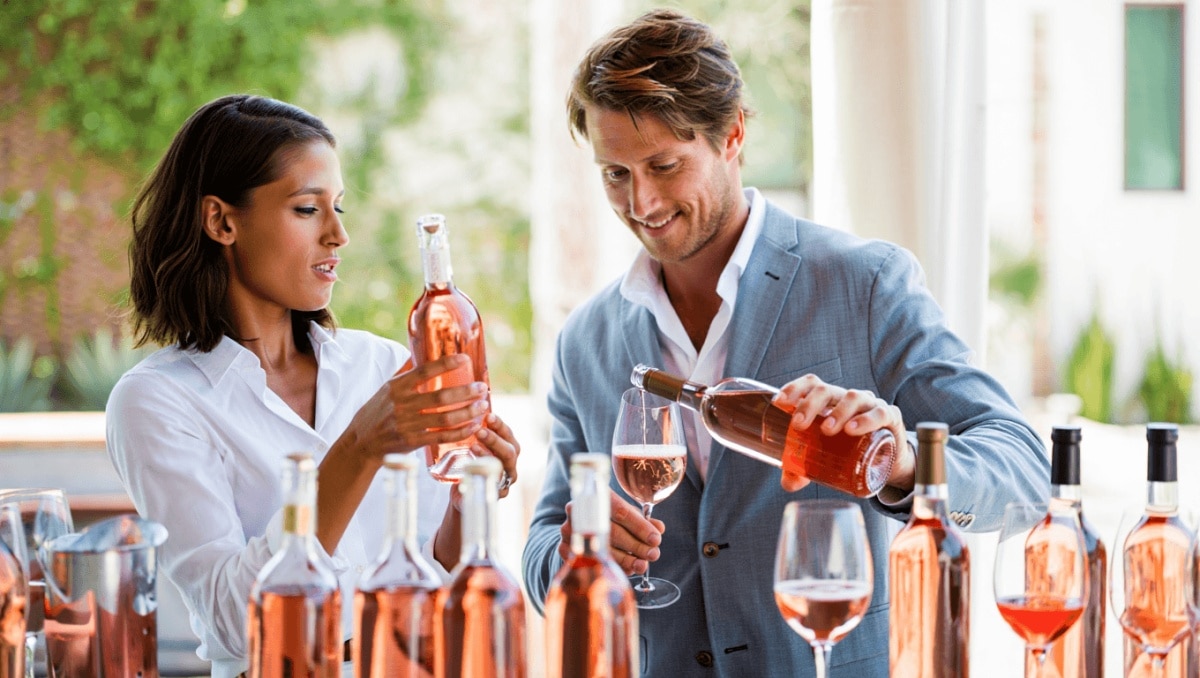
Rosé season has officially arrived with the first day of summer, and sommeliers across Los Angeles say now is the moment to swap heavy reds for lighter, food-friendly pinks. Industry insiders recommend small-batch California rosés and lower-alcohol, mineral-driven styles that suit long afternoons, backyard grills and holiday weekend picnics.
What sommeliers are reaching for this summer
Hollywood wine directors and restaurant sommeliers point to two trends: a strong roster of California producers crafting thoughtful, small-production rosés, and a renewed interest in wines that emphasize acidity, texture and drinkability over sheer fruit intensity. For diners and shoppers, that translates into bottles that pair easily with seasonal fare and rarely top the alcohol charts.
At restaurants favored by industry figures, selected rosés often come from single vineyards or limited lots, which explains why some sit above the mass-market price range. Retailers who curate boutique lists say they prioritize careful vineyard management and balanced winemaking over volume.
Top recommended rosés (short guide)
- Demetria — 100% Grenache Rosé: Fresh, fruit-forward and designed for easy sipping; ideal for hot afternoons.
- Roblar Rosé (Syrah/Grenache/Petite Syrah): Brighter berry notes with a bit more structure—pairs well with grilled foods.
- Paul Lato — Rosé of Pinot Noir: Single-vineyard, deeper color and a firmer finish; a more serious, food-ready option.
- Moretti — Rosé of Cabernet Sauvignon (house label): Lean and light but with backbone—good value for a Napa-adjacent style.
- Lieu Dit — Rosé: Delicate, saline-tinged and lively; great for very warm days.
- Storm Wines — Grenache Rosé: Old-world restraint, notable minerality and tension for drinkers who prefer subtlety.
- Alma Rosa — Vin Gris: Floral nose, clean linear palate—an elegant, food-friendly pick.
- Story of Soil — Rosé of Pinot Noir: Pure, honest flavors from a terroir-focused winemaker.
- Future Perfect — Grenache-style Rosé: Light, lower-ABV profile and early-harvest freshness—built for extended sipping.
- Kings Carey — Sparkling Rosé (all Pinot Noir): Dry, crisp and textural; a sparkling alternative for celebrations.
- Benovia / Bouchaine / Chateau St. Jean — Rosés of Pinot Noir: Examples from Russian River, Carneros and Sonoma showing lively acidity and bright fruit—excellent picnic wines.
- Las Jaras — Superbloom (unfiltered) & Kivelstadt ‘Wondering’ Sparkling Brut Rosé: Lower-intervention and sparkling options that emphasize freshness and fizz.
- Xander Soren Rosé: A versatile pour praised for pairing across lighter and richer Japanese-inspired dishes.
These selections reflect both classic Provençal inspirations and New World experimentation. California producers are pulling from Grenache and Pinot Noir most often, while some winemakers lean on Syrah or Cabernet fruit to add complexity.
Practical buying and pairing tips
Look for rosés with moderate alcohol and brisk acidity if you plan to drink through an afternoon—these wines are easier to drink in quantity and pair with a wider range of foods. Shops focused on high-quality imports or small domestic producers often stock bottles that are pricier but show more nuance; expect some curated rosés to be over $40.
Pairing is straightforward: lighter, mineral-driven rosés work well with seafood, salads and chilled appetizers, while slightly richer pinks—those with more body from grapes like Syrah—stand up to grilled chicken, burgers and tomato-based dishes.
Why this matters now
With summer gatherings, outdoor dining and travel plans ramping up, choosing the right rosé can shape casual meals and season-long entertaining. Bottles that balance freshness, texture and lower alcohol make summer sipping both refreshing and sustainable across multiple pours.
For readers: prioritize what you’ll be eating, search local shops for small-lot producers, and don’t be afraid to try a sparkling rosé for a different take. Small-production labels that emphasize terroir and restraint tend to reward patience—and they’re exactly the kinds of wines sommeliers recommend when the temperature climbs.