As brands hunt for attention in 2026’s noisy media landscape, marketers are increasingly turning to celebrities—and to the Hollywood playbook—to cut through. These campaigns didn’t just generate likes; they produced measurable lifts in sales, search and cultural conversation, showing why star-powered creative remains central to modern marketing strategies.
Two broad shifts shape this year’s standout efforts: agencies founded by entertainment figures and social-first launches that prioritize virality and user-generated content over traditional media buys. The result: campaigns that function like mini cultural events, not merely commercials.
How celebrity-led work is changing the rules
Executives are treating ads like pop culture moments. That means placing talent at the center of storytelling, staging stunts that invite participation, and leaning into platforms where audiences actively share and remix content.
One striking B2B example saw a Hollywood-backed shop quickly turn a viral celebrity moment into consultative product positioning—proving even enterprise brands can benefit from culture-driven creative.
Why this matters right now
With streaming and short-form video fragmenting attention, a single well-timed celebrity appearance can create weeks of earned coverage. For CMOs focused on ROI, these campaigns demonstrate that cultural relevance and measurable performance can align.
Campaign highlights — what moved the needle in 2026
The list below groups notable collaborations by the business outcome they emphasized: broad reach, rapid sales, product credibility, or cultural relevance.
| Talent | Brand / Agency | Primary Outcome | Notable Metric |
|---|---|---|---|
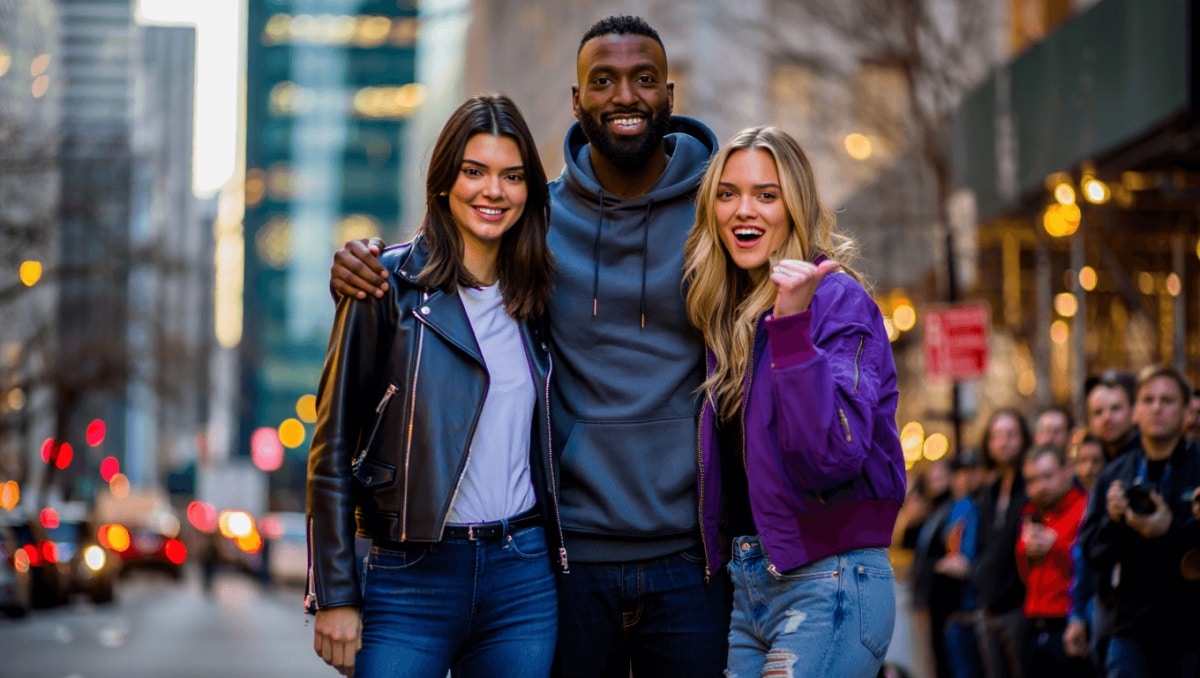
| Simone Ashley & Kendall Jenner | L’Oréal Paris / Maximum Effort | Oscars-stage creative with mass exposure | 7 billion social impressions |
| Bad Bunny | Zara / In-house | Fast-fashion drop after a Super Bowl moment | Core pieces sold out on launch |
| Sabrina Carpenter | Dunkin’ / Artists Equity | Viral spot that boosted app usage | 57% app-download increase |
| Charli XCX | Nothing Headphones / Object & Animal | Gen Z credibility and swift sell-through | Sold out in 48 hours |
| MrBeast | Salesforce / In-house | Interactive Super Bowl-ad adjacent scavenger hunt | 53 million site visits; extended press cycle |
| Selena Gomez | Rare Beauty / In-house | Representation-focused launch with retail scale | Reached over 11 million organic views |
Notable campaigns and the tactics behind them
Event timing + cultural callback: A beauty brand staged a scene during the Academy Awards that riffed on a well-known fashion film, using two high-profile faces to both entertain and sell core products. Debuting in a live-television moment amplified online reach and helped translate cultural buzz into sales.
Fast-fashion moves often follow headlines. A performer’s halftime look at the Super Bowl created a halo effect for a subsequent capsule collection, demonstrating how a single high-wattage appearance can become the principal marketing channel for a retail drop.
Influencer founders and mystery-led launches
When creators build brands, they use their audiences as launch engines. One influencer-style campaign ran as a months-long puzzle, seeding clues across social and physical billboards. The slow-burn approach produced intense engagement and rapid sell-outs at launch—showing that interactive mysteries can convert curiosity into revenue.
Another creator leveraged GRWM videos and product mailers to drive in-store traffic for a beauty brand acquired by a celebrity founder, producing a blockbuster first-48-hour sales figure and outpacing previous retailer debuts.
Long-form cinematic spots
Some tech and audio brands opted for extended, film-like ads—one ran for five minutes and used a high-profile director and actor to turn product features into theatrical storytelling. When executed well, long-form creative still compels mass viewership and provides premium content for social channels.
Similarly, an enterprise software company teamed with a major YouTube creator on an interactive puzzle tied to its Super Bowl ad. The creator’s control over the concept delivered sustained traffic and search interest far beyond the spot’s broadcast window.
What drove performance: common elements across winners
- Authentic collaboration: Talent who co-create concepts or lean into the joke tend to produce higher engagement and better conversion.
- Platform-first planning: Campaigns designed for social distribution—especially short video and TikTok-style hooks—amplify organic reach and UGC.
- Event-based launches: Timing creative around live cultural moments (Oscars, Super Bowl, high-profile premieres) multiplies earned media value.
- Interactive elements: Puzzles, choose-your-own-adventures and merch drops turn passive viewers into active participants.
- Purpose and narrative: Sustainability storytelling and representation-focused messaging resonated across demographics and drove positive brand perception.
Examples that show variety, not a single playbook
Sports and betting brands used self-aware celebrity personas to spark debate and drive app registrations. Luxury houses paired short documentary films with conservation messaging to align high-end product launches with social purpose. Retail experimented with choreographed public stunts that turned public spaces into content stages. Beverage and snack brands leaned into humor and collectible drops to create immediate demand.
What ties these approaches together is a shift from advertising as interruption to advertising as cultural contribution—content people want to discuss and share.
Takeaways for marketers
Star-driven work still pays when it’s anchored in a clear business objective—whether that is driving downloads, selling inventory, increasing search interest, or reshaping brand perception. The best examples from 2026 paired creative risk with rigorous measurement and designed follow-up experiences to keep the conversation alive.
As attention continues to splinter, expect more brands to collaborate with entertainers, production-savvy agencies, and creators who can turn launches into ongoing cultural moments rather than one-off spots.
Bottom line: Celebrity power, when used strategically and authentically, remains one of the fastest ways to create large-scale engagement—and in 2026 it frequently translated into concrete business outcomes.