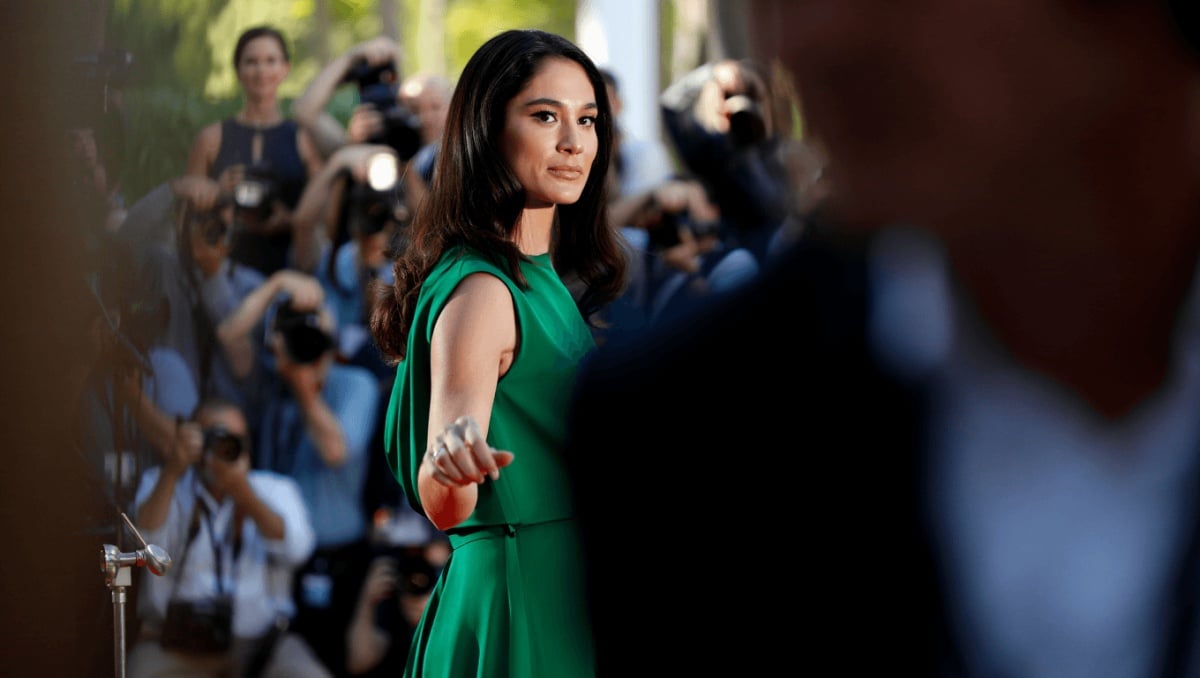
A green dress worn by Meghan, the Duchess of Sussex, at a recent public appearance has sparked more than fashion commentary — it has reignited debates about how the media and social platforms scrutinize public figures. The uproar, stoked across comment threads and headlines this week, underlines why small visual details often become proxies for larger cultural arguments.
From outfit to flashpoint
Within hours of photos circulating, reactions ranged from casual praise to sustained criticism. Social feeds amplified particular angles — color choice, styling, or perceived symbolism — turning an ordinary wardrobe moment into a trending topic.
That escalation isn’t new: in the digital age, what a public figure wears can rapidly be treated as public text, open to interpretation and, frequently, misinterpretation.
Why a dress matters more than it should
There are several overlapping dynamics that explain the intensity of response. They combine cultural habits, online mechanics and longstanding patterns in how media cover women in the public eye.
- Visual shorthand: Clothing and color become quick cues people use to assign meaning or read intent.
- Algorithmic attention: Platforms reward engagement, so polarizing takes gain traction regardless of substantive value.
- Appearance policing: Women in public life frequently face scrutiny that centers on looks rather than actions.
- Media economics: outlets publish what attracts clicks, which can encourage repetitive coverage of fleeting moments.
- Parasocial dynamics: audiences feel personal ownership over celebrities, heightening emotional reactions to small choices.
Real consequences beyond the scroll
At first glance, this might read as harmless chit-chat about fashion. But repeated, disproportionate focus on attire can have measurable impacts: it shapes public perception, fuels online harassment, and diverts attention from policy, professional achievements or charitable work.
Designers and retailers also notice. Sudden interest in a garment can translate into sales or limited-time visibility, which in turn incentivizes the cycle of outfit-centered coverage.
What the pattern reveals about coverage
For journalists and newsrooms, this episode is a reminder of editorial choices. Covering what public figures wear is valid when it’s relevant to the story — for instance, when clothing signals support for a cause or relates to cultural context. Problems arise when fashion commentary eclipses reporting on substantive matters.
Readers play a role, too: clicking on sensational angles trains algorithms to prioritize similar items, reinforcing the loop.
How to read the moment differently
A more useful conversation separates the aesthetic detail from the meaningful context. Asking why something has been elevated, who benefits from the attention, and what is being obscured by the focus can change how these stories are consumed.
Consider these quick checks before sharing or amplifying a fashion-driven post:
- Is the clothing directly relevant to the event or issue at hand?
- Does the commentary add factual context or simply editorialize appearance?
- Are alternative angles — policy, advocacy, or background — being ignored?
Small moments will continue to attract big reactions. The challenge for audience and press alike is to recognize when a stylistic detail deserves coverage and when it functions as a distraction — intentional or not — from more consequential reporting.