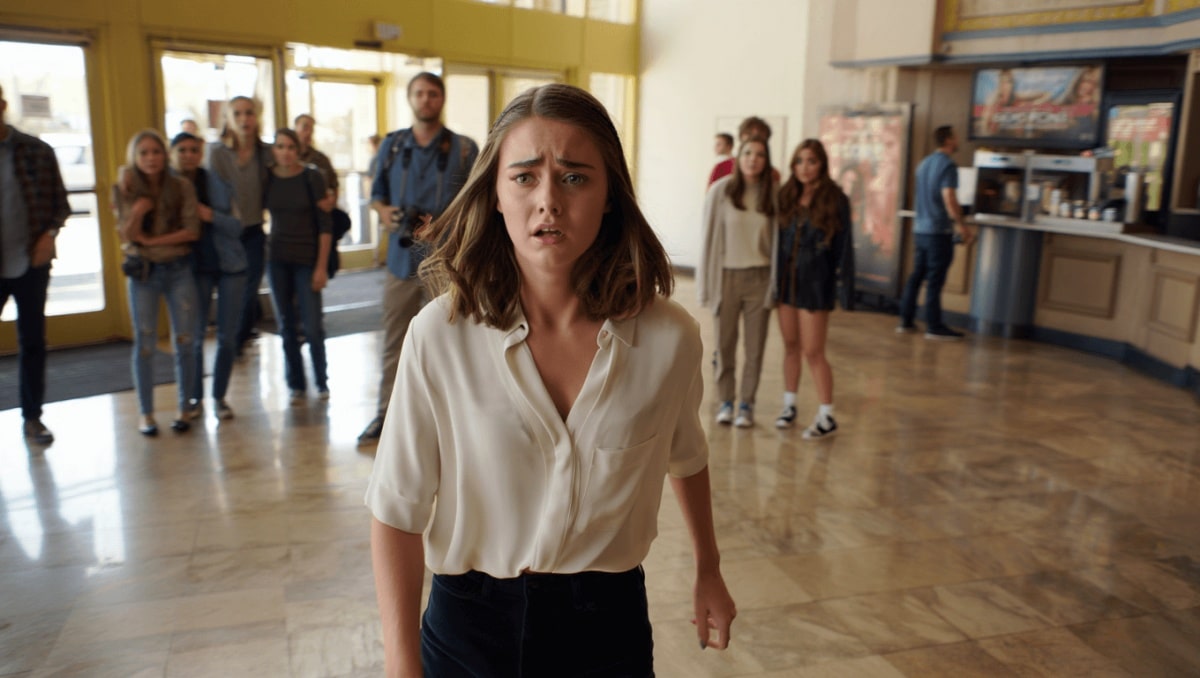
In recent years, a steady stream of moviegoers has reported leaving screenings or experiencing intense anxiety as films build toward shocking or disturbing finales. These reactions—ranging from hurried exits to full-blown panic—have prompted fresh conversations about content warnings, theater policies and how filmmakers signal extreme material to audiences.
How these incidents play out
Most reports follow a similar arc: a film gradually raises tension, then crosses a threshold—often in the final act—where the sensory and emotional load becomes too much for some viewers. For some, it’s an abrupt sound design or a single distressing image; for others, it’s prolonged, graphic material that compounds until they feel physically unable to stay.
Although the most publicized episodes tend to happen in cinemas, social media has amplified them, turning personal discomfort into broader debates about who movies are made for and how theatres should prepare audiences.
Films frequently mentioned in shared accounts
- Hereditary (2018) — Viewers often point to its relentless dread and a sudden, shocking moment late in the running time as triggers for strong emotional responses.
- The Exorcist (1973) — A longstanding example of a movie whose intensity and disturbing imagery have prompted fainting, vomiting and walkouts since its release.
- Irreversible (2002) — Noted for its unflinching content and unusual editing choices; many reports describe walkouts and distress during the film’s most harrowing scenes.
- A Serbian Film (2010) — Frequently cited online for content that viewers describe as extreme and deeply unsettling; it has been removed or censored in some markets.
- Martyrs (2008) — A film whose escalating violence and bleak tone have led some audience members to leave before the credits.
- The Raid (2011) — Intense, relentless action and close-quarters violence have prompted some viewers to step out for relief.
- Funny Games (2007) — The film’s psychological cruelty and deliberate refusal to provide catharsis have generated polarized reactions, including early departures.
- Irreversible is listed again in many personal roundups because its reverse chronology intensifies the impact of certain scenes; viewers often single out the structure as contributing to their distress.
These titles appear frequently in reader accounts and online threads, but reactions are individual: what upends one person may not affect another. Context—viewing alone, in a packed theater, or late at night—also matters.
Why this matters today
Two trends make these incidents more consequential: first, the ubiquity of social platforms means a single episode can spark widespread discussion. Second, growing public attention to mental health has shifted expectations about how media should warn or protect vulnerable viewers.
The result: distributors, critics and theaters face pressure to be clearer about content, while audiences increasingly expect tools to judge whether a film is right for them.
Practical steps for viewers
- Check content advisories and professional reviews before you buy a ticket.
- Look for trigger warnings or viewer notes on film pages and streaming services.
- Sit near an exit or bring a friend if you know you’re sensitive to extreme imagery or loud audio.
- Use ear protection or take brief breaks in less intense scenes to steady yourself.
- If you experience a panic attack or severe distress, step outside, focus on breathing, and seek assistance from theater staff if needed.
What theaters and creators can do
Some cinemas now include clearer content advisories in listings and on-site signage. Filmmakers, too, have options: providing advisory text in festival materials, offering content summaries with press kits, or including built-in breaks can help audiences prepare.
Balancing creative freedom with audience safety is delicate. Transparent communication—rather than silent surprises—reduces the chance that a film intended to challenge will instead cause harm.
For readers planning a night at the movies: take a moment to scan advisories and read a couple of reviews. It’s a small step that can prevent an unpleasant surprise and make a powerful film safe to watch on your own terms.