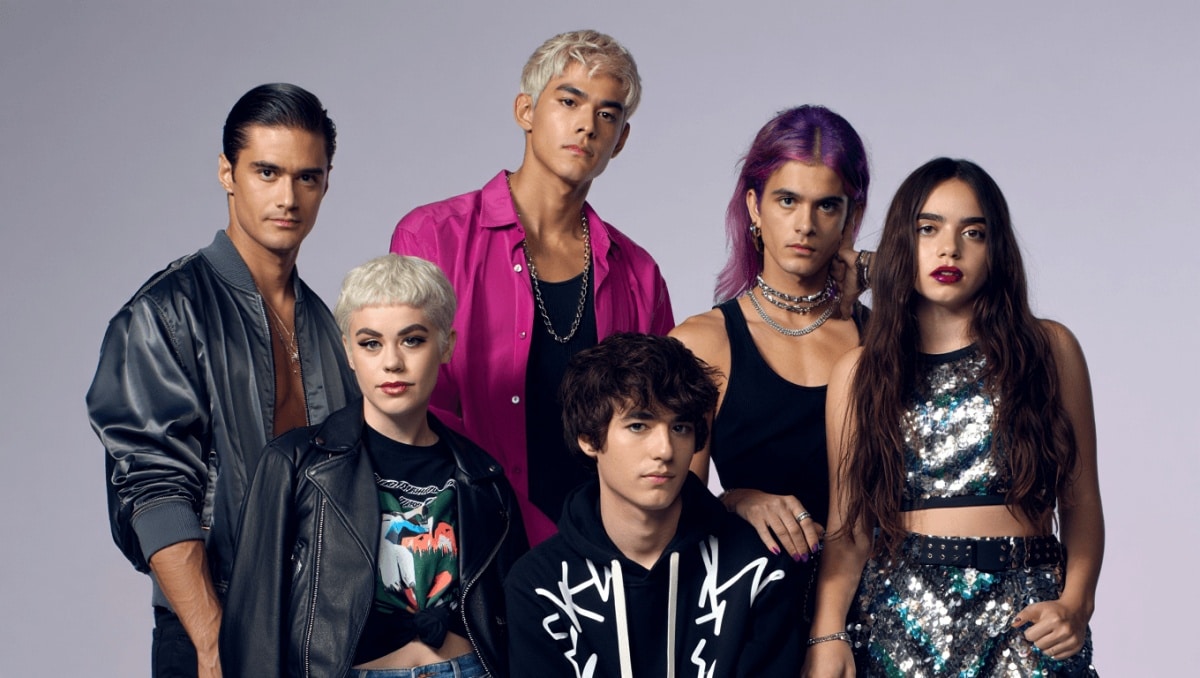
As Euphoria returns for its third season, the show’s most striking transformations aren’t only in the plot — they’re visible on the surface. The cast’s evolving hairstyles, makeup and wardrobes act as a shorthand for shifting identities, and watching those changes reveals how the series maps inner turmoil onto exterior style.
From rueful minimalism to high-glam theatrics, the program’s beauty and costume teams use looks to underline each arc. Below is a compact comparison of how the main characters presented themselves in the show’s first season versus the visual language they carry into Season 3.
| Character | Season 1 | Season 3 |
|---|---|---|
| Rue Bennett | Understated, tired, often in hoodies and minimal makeup — a look that mirrored her weariness and instability. | More varied and expressive: moments of deliberate glam and chaotic, worn-down appearances that reflect ongoing relapse and attempts at change. |
| Jules Vaughn | Dreamy, pastel-driven outfits and soft, artful makeup emphasizing a fragile, ethereal identity. | More experimental and sculpted — bolder textures and sharper tailoring that suggest a maturing, sometimes confrontational self-image. |
| Nate Jacobs | Clean-cut athletic wear, muted masculine staples and a controlled, polished grooming that hid inner volatility. | Darker, more assertive choices: heavier silhouettes and slicked-back styling that amplify his intensified aggression and control issues. |
| Maddy Perez | High-glam, candy-bright makeup and body-conscious fashion signaling confidence and performative dominance. | Even more fashion-forward and cinematic: elevated silhouettes and precise beauty looks that underscore her evolving power and vulnerability. |
| Cassie Howard | Soft, romantic aesthetics — pastel tones and approachable, girl-next-door grooming tied to her longing and insecurity. | More polished and deliberate: sexier, curated wardrobes and heavier makeup that speak to a more strategic self-presentation. |
| Kat Hernandez | Casual, internet-era mixes and softer contours as she explored identity and online sexual agency. | Bolder, more unapologetic styling with stronger silhouettes and assertive beauty choices reflecting increased confidence. |
| Lexi Howard | Reserved, low-key clothing and modest grooming consistent with an observant, background role. | Subtly more expressive: creative costuming and careful styling that mirror her growing presence and authorship within the story. |
| Fezco (Fez) | Relaxed streetwear, muted palette and practical layers signaling a quiet, watchful presence. | Retains streetwise sensibility but occasionally shows refined touches and more intentional wardrobe choices tied to changing responsibilities. |
The choices above aren’t just aesthetic; they function as narrative punctuation. A character’s lipstick, hair color or jacket can signal recovery attempts, power plays, identity shifts or psychological unraveling without a single line of dialogue.
- Makeup and hair act as shorthand for emotional states — subtle pallor or heavy contouring immediately cues the audience.
- Wardrobe moves from adolescent staples to more deliberate, fashion-forward statements as characters take control or perform new selves.
- Styling updates also reflect the show’s growing cultural footprint: looks seen on screen quickly become referenced on social platforms and in fashion conversations.
For viewers, these visual shifts matter because they make inner change observable and immediate. Whether a character is healing, scheming or transforming, Season 3’s styling choices aim to make each turn of the plot readable at a glance — an effective storytelling tool that keeps the show visually and emotionally compelling.
As the season unfolds, expect these looks to continue evolving in tandem with the storylines — sometimes subtle, sometimes theatrical — but always purposeful. For now, the wardrobe and beauty work remain key elements in understanding who these characters are and where they might be headed.