Set-jetting has moved beyond single-scene pilgrimages to become a way to frame entire trips around food, drink and design — and 2026 brings fresh reasons to travel with screen stories in mind. New openings, festival dates and restored hotels mean film and TV locations now offer curated experiences worth planning for, from volcanic vineyards to invitation‑only whisky rooms.
Sicily — volcanic wines and cinematic villages
When filmmakers needed Sicily to stand in for old-world Italy, places east of Taormina supplied more than scenery — they created a visual identity still associated with the island. Recent TV dramas have rekindled interest in the area and turned attention toward Mount Etna’s vineyards.
On Etna’s slopes, producers such as Benanti and Tornatore work with grape varieties like nerello mascalese and carricante grown in volcanic soils that lend a distinct minerality. Planeta has also played a role in putting the island’s wines on international maps.
The place to anchor a wine-focused visit is Monaci delle Terre Nere, a restored monastery turned wine estate with terraced vineyards, citrus groves and a kitchen that sources directly from the farm. For a meal that ties TV lore to reality, the poolside seafood restaurant at the San Domenico Palace — the Four Seasons property used as a backdrop for a recent hit series — remains a signature stop.
Venice — art, biennale and hidden exhibitions
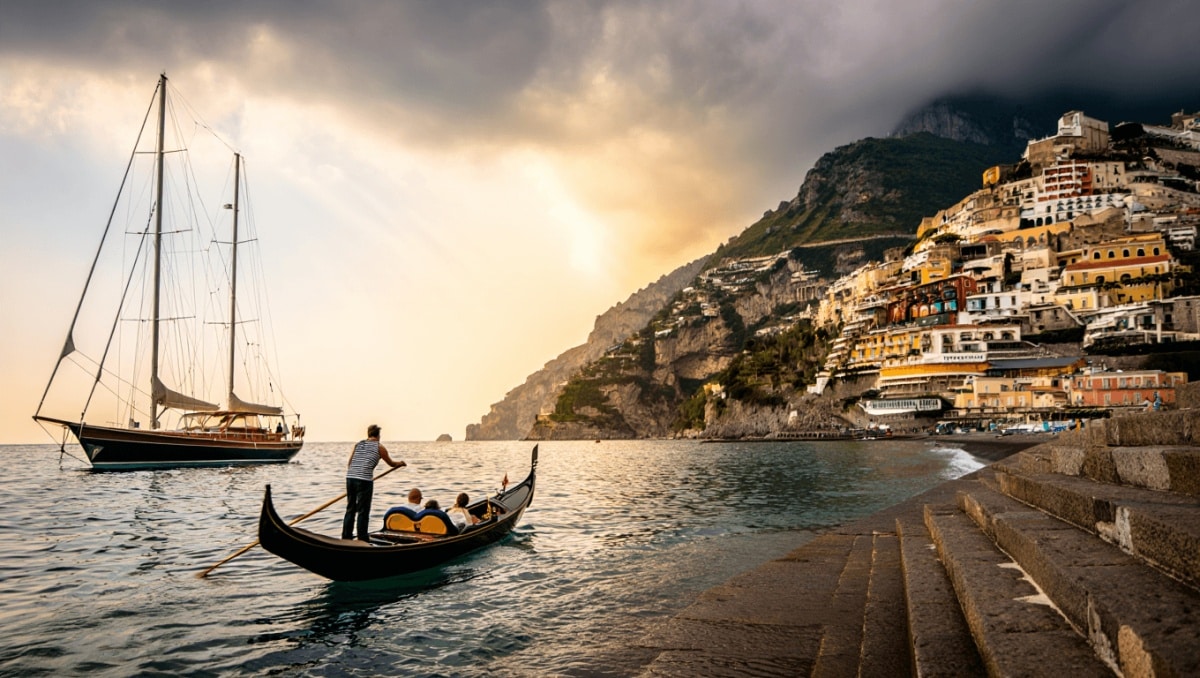
Venice keeps supplying filmmakers with unforgettable locations; the city’s canals and baroque backdrops remain irresistible. In 2026 the Venice Biennale returns, bringing fresh national pavilions and off-site shows across palaces and churches.
The Biennale’s major sites — the Giardini and the Arsenale — present big, often challenging installations, while smaller exhibitions scattered through the sestieri frequently yield the most surprising finds. For a base that eases logistics without fuss, consider a Grand Canal property offering full-service support and strong dining options nearby.
Slovenia — market-driven cooking and lunar-aged charcuterie
Ljubljana is compact but layered: a hilltop castle, a lively market and a contemporary culinary scene. The city’s most talked-about opening in recent seasons is Jaz by Ana Roš at the AS Boutique Hotel, where menus shift daily based on market deliveries and the chef’s mood rather than fixed tasting sequences.
Beyond the capital, the Ribnica Valley is a short drive away and home to David Lesar’s BioSing, an underground cellar where cured meats — including salamis aged in clay chambers timed to lunar cycles — are produced without additives. A cellar tasting paired with wines from a private collection is a memorable theatrical encounter with regional traditions.
Puglia — quiet agritourism on the Ionian coast
Over the past decade Puglia has built a reputation that balances discovery with preservation. The southern Salento peninsula remains relatively unhurried, making it ideal for estate stays where food is grown and prepared on site.
Tenuta Negroamaro, a small suite-led estate near Gallipoli, exemplifies this approach: garden-supplied kitchens, private plunge pools and a relaxed pace that suits travelers looking to disconnect and enjoy local produce.
Amsterdam — canals, design and site-specific art
Film crews have long used Amsterdam’s narrow canal houses as atmospheric backdrops. For travelers more interested in architecture and contemporary art than celebrity cameos, the city’s museum and hotel scene offers a concentrated program of exhibitions and public art collaborations.
A converted civic building repurposed as a luxury hotel now houses a curated collection that stages dialogues between the Dutch golden age and contemporary practitioners, alongside rotating digital programs and guided art walks that place modern works in historical context.
Belgrade — layered history and a restored landmark hotel
Belgrade’s architectural contrasts — medieval, Ottoman, Austro-Hungarian and Socialist modernist — make it a versatile film location and an intriguing city to explore on foot. Ralph Fiennes selected the city for its atmosphere when shooting his feature debut.
The century-old Bristol Belgrade, reopened after an extensive restoration completed in 2025, blends an Art Nouveau façade with carefully conserved interiors. Its library-style lounge is a quietly theatrical spot for long evenings in a city that rewards time spent wandering.
Scotland — Highlands backdrops and deep whisky knowledge
Scotland’s dramatic landscapes continue to attract filmmakers and reality‑TV productions alike, but the country’s draws extend into spirits culture. Estates and distilleries now pair cinematic locations with immersive tastings.
The Balvenie distillery in Dufftown remains a benchmark visit: traditional floor maltings, on-site coopers and straightforward vertical tastings that convert casual visitors into serious enthusiasts. For something different, the Hendrick’s Gin Palace at Girvan offers theatrical botanical-led cocktails in a greenhouse setting.
In Edinburgh, smaller boutique houses and larger properties near the castle present complementary reasons to stay. For connoisseurs, the invitation-only tasting room at a major whisky attraction in Princes Street brings together archive bottlings and deep provenance conversations not found on standard tours.
- Sicily — Wine-focused stays on Etna; book tastings at volcanic vineyards and dinner at a hotel terrace tied to recent TV productions.
- Venice — Plan around the 2026 Biennale; balance the Giardini and Arsenale with smaller palazzo shows.
- Slovenia — Market-led dining in Ljubljana and lunar-aged salami tastings in Ribnica Valley.
- Puglia — Agritourism on the Ionian coast; estate kitchens sourcing from on-site gardens.
- Amsterdam — Architecture and curated hotel collections that connect old masters with contemporary artists.
- Belgrade — Restored grand hotels and a layered urban fabric for off-the-beaten-path discovery.
- Scotland — Traditional distilleries, theatrical gin venues and exclusive whisky tasting rooms.
Whether you visit for vineyards, museums, rare charcuterie or single‑malt provenance, the pattern is clear: modern travel is increasingly about curated experiences that expand a film or show into an entire itinerary. Bookings for key restaurants, tastings and invitation-only rooms are limited, so treat screen-driven curiosity as the start of planning rather than the end.